
When selecting coil materials for HVAC, refrigeration, electrical, or industrial heat transfer systems, one of the most common debates is copper coil vs aluminum coil. There is no universal “best” material — instead, the right choice depends on performance requirements, budget, environment, and application type.
Copper coils have historically dominated industries due to superior conductivity and reliability. However, aluminum coils have rapidly gained market share thanks to lower cost, lighter weight, and improved manufacturing technology.
This article provides a deep technical and commercial comparison to help buyers, engineers, and global sourcing teams choose correctly.
Understanding Copper and Aluminum Coil Basics
What Is a Copper Coil?
Copper coils are tubes or wound conductors made from high-purity copper. They are commonly used in:
- Air conditioning evaporator and condenser coils
- Refrigeration tubing
- Electrical windings
- Heat exchangers
- Industrial cooling systems
Copper is known for high conductivity, excellent formability, and strong durability.
What Is an Aluminum Coil?
Aluminum coils are typically extruded or rolled aluminum tubes or fins used in:
- Modern HVAC heat exchangers
- Automotive radiators
- Lightweight heat transfer equipment
- Power transmission conductors
Aluminum’s main advantages include low density, low cost, and good corrosion resistance.
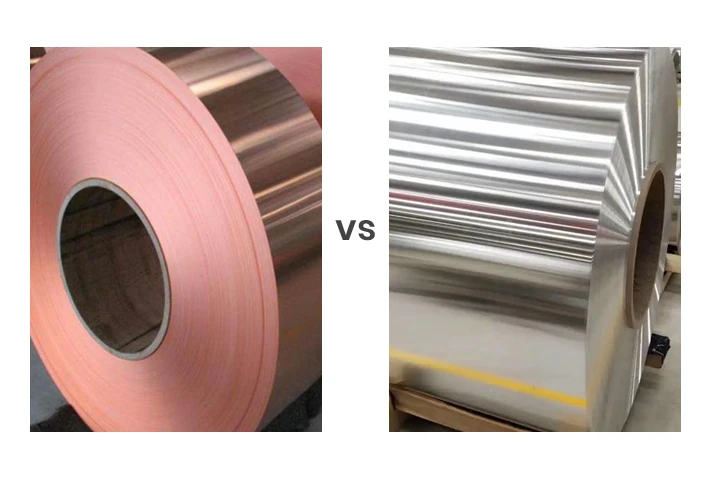
Core Material Property Comparison
Electrical Conductivity
Copper is the global benchmark for electrical conductivity. Copper has about 100% IACS conductivity, while aluminum is around 61% IACS, meaning aluminum needs a larger cross-section to match copper performance.
This makes copper coils preferable for:
- High-efficiency motors
- Transformers
- Precision electronics
- High current circuits
Thermal Conductivity
Copper also conducts heat significantly better:
- Copper: ~390–401 W/m·K
- Aluminum: ~230–237 W/m·K
Copper transfers heat roughly 60–70% more efficiently, making it ideal for high-performance heat exchangers and HVAC systems.
Density and Weight
Weight is where aluminum dominates:
- Copper density: ~8.96 g/cm³
- Aluminum density: ~2.7 g/cm³
Aluminum is about 70% lighter than copper.
This dramatically reduces:
- Installation difficulty
- Structural load
- Transportation cost
Strength and Mechanical Performance
Copper generally offers higher tensile strength (approx. 210–250 MPa vs aluminum 90–150 MPa depending on alloy).
This allows:
- Thinner tubing without failure
- Better vibration resistance
- Higher durability under pressure
Cost Comparison – A Major Decision Factor
One of the biggest reasons aluminum coils are gaining market share is cost.
Typical raw material pricing (varies with market):
- Copper: significantly higher
- Aluminum: often 40–70% cheaper
Lower cost allows aluminum to dominate in:
- Mass production HVAC units
- Automotive cooling
- Consumer appliances
However, cost must be balanced with performance and lifespan.

Copper Coil Advantages
1.Superior Heat Transfer Efficiency
Higher thermal conductivity means faster heat exchange and higher system efficiency.
2.Higher Electrical Efficiency
Less resistance → lower energy loss → smaller conductor size required.
3.Better Repairability
Copper is easier to:
- Weld
- Braze
- Repair onsite
This is critical in commercial HVAC maintenance.
4.Long Proven Track Record
Copper has been used for decades in:
- Industrial refrigeration
- Commercial HVAC
- Electrical infrastructure
Aluminum Coil Advantages
1.Lightweight Design
Ideal for:
- Automotive systems
- Aerospace
- Large HVAC units
2.Lower Material Cost
Important for:
- Mass-market AC units
- Large construction projects
- Budget-sensitive markets
3.Good Corrosion Resistance
Aluminum naturally forms an oxide layer that protects against corrosion in many environments.
4.Easier Mass Production
Aluminum extrusion and forming processes allow:
- Integrated microchannel coils
- Faster production
- Lower labor cost
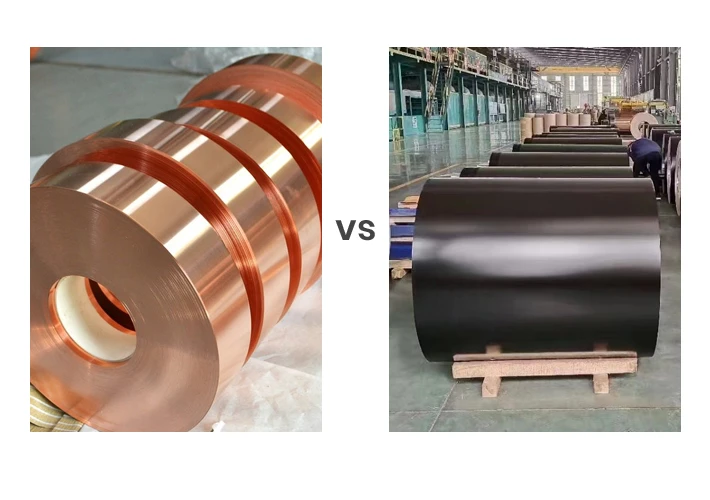
HVAC Industry – Copper vs Aluminum Coil Real Performance
Copper in HVAC
Best for:
- Commercial buildings
- High-efficiency premium systems
- Harsh working environments
Benefits:
- Stable long-term performance
- Easier refrigerant leak repair
- Better heat transfer under high load
Aluminum in HVAC
Best for:
- Residential air conditioning
- Budget-friendly systems
- Lightweight outdoor units
Benefits:
- Lower production cost
- Reduced shipping weight
- Improved corrosion resistance in coastal areas (with coatings)
Durability and Lifespan Comparison
Copper coils:
- More resistant to mechanical damage
- Better fatigue resistance
- Longer service life in many cases
Aluminum coils:
- Good corrosion resistance
- But more prone to physical damage (softer metal)
However, modern coated aluminum microchannel coils have significantly improved durability.
Environmental and Sustainability Factors
Copper Sustainability
- Highly recyclable
- Long lifespan reduces replacement waste
Aluminum Sustainability
- Also highly recyclable
- Lower weight reduces transport emissions
Many modern systems combine both metals for optimal sustainability.
When Should You Choose Copper Coil?
Choose copper if you need:
✔ Maximum heat transfer performance
✔ Highest electrical efficiency
✔ Long lifespan
✔ Easy repair and maintenance
✔ Industrial or heavy-duty use
Common applications:
- Commercial HVAC
- Industrial refrigeration
- Power transformers
- High-end appliances
When Should You Choose Aluminum Coil?
Choose aluminum if you need:
✔ Low cost
✔ Lightweight equipment
✔ Mass production compatibility
✔ Corrosion resistance in certain environments
Common applications:
- Residential air conditioners
- Automotive radiators
- Consumer cooling equipment
- Power transmission conductors
Future Trends – Copper and Aluminum Hybrid Designs
Modern engineering increasingly combines both metals:
Examples:
- Copper tube + aluminum fin heat exchangers
- Aluminum microchannel + copper connectors
- Hybrid condenser designs
This balances:
- Cost
- Performance
- Weight
- Durability
Final Verdict: Which Is Better?
The answer depends on your priority.
| If You Prioritize | Better Choice |
|---|---|
| Maximum performance | Copper |
| Lowest cost | Aluminum |
| Lightweight system | Aluminum |
| Long-term durability | Copper |
| High efficiency HVAC | Copper |
| Mass market production | Aluminum |
Copper is technically superior in performance metrics, but aluminum often wins in commercial competitiveness.
Conclusion
Copper and aluminum coils both play critical roles in modern industry. Copper dominates high-performance and industrial sectors due to superior conductivity and strength. Aluminum continues expanding in consumer and large-scale applications thanks to cost and weight advantages.
For B2B buyers, contractors, and importers, the right decision should consider:
- Application requirements
- Lifecycle cost (not just raw material price)
- Environmental conditions
- Maintenance expectations
In many cases, the smartest solution is not choosing one over the other — but using optimized hybrid coil designs.