Introduction
When purchasing color coated aluminum coils in bulk, price per ton is one of the first factors international buyers consider. However, the wholesale cost of color coated aluminum coil is not determined by aluminum weight alone. Alloy grade, aluminum thickness, coil width, coating type, paint film thickness, surface finish, color selection, production requirements, and order quantity all influence the final quotation.
For importers, roofing material wholesalers, building material distributors, aluminum fabricators, and construction contractors, understanding these pricing factors is essential for controlling procurement budgets and selecting reliable suppliers.
Two color coated aluminum coils may look almost identical but have significantly different prices. One may use a standard polyester (PE) coating and a general-purpose aluminum alloy, while another may feature PVDF fluorocarbon coating, a higher-performance substrate, and stricter surface quality requirements. These differences affect not only the purchase price but also the product’s durability, weather resistance, and service life.
As a professional Chinese building materials supplier, RoofGlory understands that international buyers need more than an attractive quotation. They need consistent product specifications, dependable production quality, transparent pricing, and reliable export services.
This guide explains how color coated aluminum coil prices per ton are calculated, which factors have the greatest influence on wholesale costs, how to compare supplier quotations, and how to reduce procurement expenses without sacrificing product performance.
Whether you are purchasing aluminum coils for roofing sheets, wall cladding, aluminum composite panels, ceiling systems, gutters, or industrial applications, this article will help you make more informed purchasing decisions.
What Is the Average Color Coated Aluminum Coil Price per Ton?
The wholesale price of color coated aluminum coil varies depending on the international aluminum market, material specifications, coating system, and supplier’s manufacturing costs. Therefore, there is no universal price that applies to every order.
For international B2B buyers, quotations are commonly provided in USD per metric ton, particularly under FOB or CIF trading terms.
Indicative Wholesale Price Ranges
The following figures are illustrative market reference ranges for understanding different product categories. They are not fixed RoofGlory quotations or guaranteed November 2026 market prices.
| Product category | Indicative price range (USD/ton) |
|---|---|
| Standard PE color coated aluminum coil | $2,100–$2,700 |
| Standard architectural color coated aluminum coil | $2,300–$2,900 |
| PVDF color coated aluminum coil | $2,500–$3,500 |
| Custom color or special finish aluminum coil | $2,600–$3,500+ |
| Premium specification aluminum coil | $3,000–$4,000+ |
Actual offers may fall outside these ranges depending on the aluminum market, alloy, thickness, coating brand, order volume, and production requirements.
Publicly listed Chinese supplier offers also demonstrate considerable variation. Some listings show prices around $1,980–$2,700 per ton, while other suppliers advertise higher ranges for particular products and specifications. These online offers should be treated as preliminary references rather than directly comparable transaction prices.
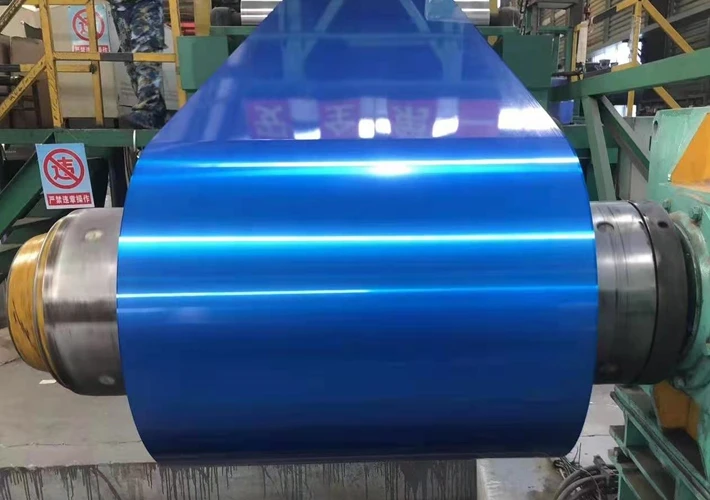
Why Do Prices Differ Between Suppliers?
There are several reasons why quotations for seemingly similar aluminum coils can differ significantly.
1. Different aluminum substrate costs
Aluminum alloys have different chemical compositions and mechanical properties. A coil manufactured from 3003 aluminum may have a different material cost from one made using 5052 aluminum.
2. Different coating materials
PE, SMP, HDP, and PVDF coatings have different raw material costs and performance characteristics. A premium coating system generally increases the final price.
3. Different product specifications
Thickness, width, coil weight, inner diameter, and dimensional tolerances all influence production costs.
4. Different quality control standards
Some manufacturers offer basic commercial-grade products, while others provide stricter requirements for coating adhesion, color consistency, surface appearance, and weather resistance.
5. Different commercial conditions
Minimum order quantities, packaging methods, payment terms, shipping arrangements, and delivery schedules can also affect the quotation.
What Should Buyers Consider When Evaluating Price?
A low price does not automatically indicate a good purchasing opportunity.
For example, a supplier quoting $2,200 per ton for a standard PE-coated coil may appear more competitive than another supplier quoting $2,450 per ton. However, if the first product has a thinner aluminum substrate, a lower coating thickness, or less consistent color quality, the actual value may be lower.
Professional buyers should compare quotations based on identical technical specifications.
A proper comparison should include:
- Aluminum alloy and temper.
- Nominal aluminum thickness.
- Coil width and inner diameter.
- Coating type and paint film thickness.
- Front-side and back-side coating requirements.
- Color code and surface finish.
- Mechanical properties and dimensional tolerances.
- Packaging and delivery terms.
- Quality inspection and warranty conditions.
For wholesale purchasing, the most competitive supplier is not necessarily the one offering the lowest initial price. It is the one providing the best combination of product quality, production consistency, delivery reliability, and total procurement cost.
Major Factors That Affect Color Coated Aluminum Coil Wholesale Costs
Understanding the cost structure of color coated aluminum coil helps importers identify which specifications have the greatest impact on the final price.
Although aluminum substrate costs usually account for a major portion of the total manufacturing cost, coating materials and processing requirements can also create substantial differences.
2.1 Aluminum Ingot Prices and International Market Fluctuations
The aluminum substrate is the foundation of every color coated aluminum coil. Consequently, changes in primary aluminum prices directly affect the cost of finished products.
International aluminum prices are influenced by several market factors:
- Global aluminum production capacity.
- Supply and demand in major consuming countries.
- Electricity and energy prices.
- Bauxite and alumina supply conditions.
- Transportation and logistics expenses.
- Trade policies and import tariffs.
- Currency exchange rates.
- Inventory levels and market expectations.
Because aluminum production is energy-intensive, electricity prices and industrial energy policies can influence manufacturing costs.
When international aluminum prices increase, manufacturers generally need to adjust their quotations to reflect higher raw material costs. When the market declines, buyers may receive more competitive offers, although the timing of adjustments depends on suppliers’ existing inventories and procurement contracts.
For buyers importing from China, it is important to understand whether a supplier’s quotation is fixed or linked to the aluminum market.
A quotation based on a specific aluminum price date provides a clearer reference for negotiation.
RoofGlory purchasing recommendation: For large-volume orders, confirm the aluminum price reference date and quotation validity period before signing a purchase contract. This helps both parties manage price fluctuations and avoid misunderstandings during production.
2.2 Aluminum Alloy Grade and Temper
Different aluminum alloys offer different mechanical properties, corrosion resistance, formability, and processing characteristics.
Common alloy grades used for color coated aluminum coils include:
| Aluminum alloy | Main characteristics | Typical applications |
|---|---|---|
| 1050 | High aluminum purity and good formability | General decoration and insulation |
| 1060 | Excellent corrosion resistance and workability | Decorative materials and general industrial uses |
| 1100 | Good corrosion resistance and forming performance | Roofing accessories and decorative applications |
| 3003 | Good formability and corrosion resistance | Roofing, gutters, and building materials |
| 3004 | Good strength and forming performance | Architectural and industrial applications |
| 3105 | Suitable for building products and general forming | Roofing and wall cladding |
| 5052 | Higher strength and good corrosion resistance | More demanding industrial applications |
The alloy should be selected according to the intended application rather than price alone.
For example, 3003 and 3105 are commonly considered for roofing and architectural products because they provide a practical balance of formability, strength, and corrosion resistance.
5052 may be suitable for applications requiring higher mechanical performance, although its material cost can be higher.
Temper also influences product characteristics.
Common tempers include:
- O: Annealed, relatively soft, and highly formable.
- H14: Strain-hardened and partially annealed.
- H16: Higher strength than H14.
- H24: Strain-hardened and partially annealed.
- H26: Higher strength than H24.
The selected temper must be compatible with the buyer’s subsequent processing requirements, such as roll forming, bending, stamping, or fabrication.
An unnecessarily high-strength alloy or temper can increase procurement costs without providing meaningful benefits for the final product.
For this reason, buyers should provide their intended application and processing method when requesting a quotation.
2.3 Aluminum Thickness and Coil Width
Aluminum thickness is one of the most important factors affecting the price per ton and the final application cost.
Common thickness ranges for color coated aluminum coils include approximately 0.20 mm to 1.50 mm, although actual manufacturing capabilities and available specifications vary by supplier.
Typical applications include:
| Thickness | Potential applications |
|---|---|
| 0.20–0.30 mm | Thin decorative products and selected building components |
| 0.30–0.50 mm | Roofing accessories, ceiling systems, and lightweight cladding |
| 0.50–0.80 mm | Roofing sheets, gutters, and architectural panels |
| 0.80–1.20 mm | More demanding cladding and industrial components |
| 1.20–1.50 mm | Specialized fabrication and heavier architectural applications |
These are general application references, not universal engineering specifications.
Thicker aluminum requires more raw material for the same surface area. Therefore, it normally increases the material cost per square meter.
However, when quotations are calculated per metric ton, thickness does not simply mean that a thicker coil automatically costs more per ton. The price per ton depends on the total weight of the aluminum substrate and the additional processing costs.
This distinction is important for international purchasers.
For example, a buyer comparing 0.40 mm and 0.60 mm color coated aluminum coils should evaluate both the price per ton and the amount of usable material per ton.
How Does Coil Width Affect the Price?
Coil width also influences production efficiency.
Standard widths may be easier and more economical to manufacture because they can be produced using existing production arrangements.
Non-standard widths may require additional slitting, edge trimming, or production adjustments. These operations can increase processing costs and material waste.
When purchasing aluminum coils for continuous production, buyers should confirm the exact width required by their roll-forming or fabrication equipment.
Typical width options vary by manufacturer, with some suppliers offering widths from narrow strips to approximately 1,550 mm or wider.
Choosing a suitable standard width can help reduce unnecessary processing expenses.
2.4 Coating Type: PE, SMP, HDP, and PVDF
The coating system is another major factor affecting color coated aluminum coil prices.
Different coating materials provide different levels of UV resistance, weatherability, flexibility, chemical resistance, and color retention.
The most common coating systems include PE, SMP, HDP, and PVDF.
PE (Polyester Coating)
PE coating is widely used in general architectural and decorative applications.
Its advantages include:
- Relatively economical production costs.
- Good color availability.
- Good flexibility and formability.
- Suitable performance for many general-purpose applications.
- Compatibility with a wide range of decorative finishes.
PE is often selected for indoor applications, general building components, and projects with moderate weather exposure.
For buyers prioritizing cost efficiency, PE color coated aluminum coil is an attractive option.
SMP (Silicone Modified Polyester)
SMP coating combines polyester resin with silicone modification.
Compared with standard PE, it is designed to improve certain weathering and surface performance characteristics.
Typical advantages include:
- Improved weather resistance.
- Better color retention in suitable formulations.
- Good surface durability.
- A balance between cost and exterior performance.
SMP may be considered for roofing and exterior applications where standard polyester performance is insufficient for the project requirements.
HDP (High Durability Polyester)
HDP coating is developed to provide improved durability compared with conventional polyester systems.
Its characteristics can include:
- Enhanced weather resistance.
- Better resistance to UV-related degradation.
- Improved color retention.
- Suitability for selected exterior building applications.
HDP can provide a middle-ground solution for buyers seeking improved outdoor performance without specifying a premium fluorocarbon coating.
PVDF (Polyvinylidene Fluoride Coating)
PVDF is a high-performance fluorocarbon coating commonly used for demanding architectural applications.
Its advantages include:
- Strong resistance to UV exposure.
- Good color and gloss retention.
- Excellent weatherability when properly formulated and applied.
- Good resistance to many environmental influences.
- Suitability for long-term exterior architectural projects.
PVDF color coated aluminum coils are frequently considered for building facades, exterior cladding, and projects exposed to strong sunlight or demanding weather conditions.
However, PVDF usually costs more than standard PE because of its coating formulation and manufacturing requirements.
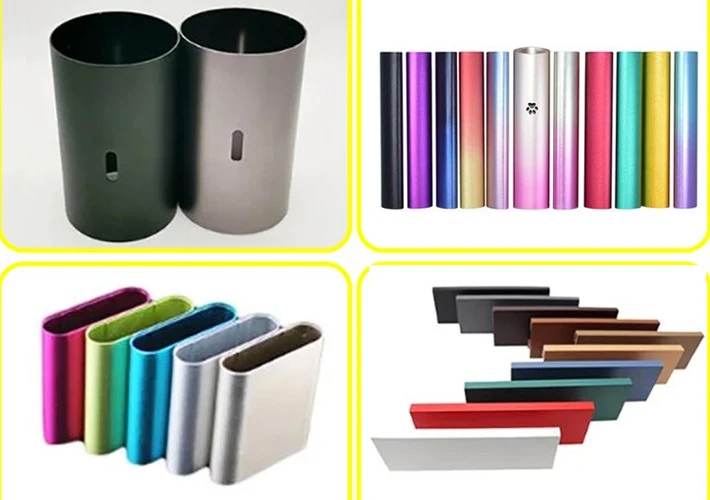
Comparison of Common Coating Systems
| Coating type | Relative cost | Weather resistance | Common applications |
|---|---|---|---|
| PE | Low | General | Interior and general building materials |
| SMP | Medium | Improved | Roofing and exterior components |
| HDP | Medium to high | High, depending on formulation | Exterior architectural products |
| PVDF | High | Excellent | Premium facades and demanding exterior projects |
The actual performance of any coating depends on resin formulation, pigment quality, coating thickness, pretreatment, curing conditions, and production control.
Buyers should not select coatings based solely on their names. They should request technical specifications and relevant test documentation.
2.5 Paint Film Thickness and Coating Quality
Paint film thickness has a direct relationship with coating material consumption and finished product performance.
For example, a thicker coating generally requires more paint and may increase production costs.
Commonly specified coating thicknesses vary according to coating type and product requirements.
As an example of commercially available specifications, PE systems may specify a front coating thickness of at least 18 μm, while PVDF systems may specify at least 25 μm. Actual requirements should be agreed upon between the buyer and manufacturer.
When comparing supplier quotations, buyers should confirm:
- Front coating thickness.
- Back coating thickness.
- Primer requirements.
- Total dry film thickness.
- Coating uniformity.
- Adhesion performance.
- Pencil hardness.
- Flexibility and impact resistance.
A quotation that simply states PE coating or PVDF coating without providing film thickness is incomplete for serious wholesale purchasing.
A reliable supplier should be able to clarify the coating structure and provide relevant inspection information.
2.6 Color, Surface Finish, and Customization
Color selection may also influence the final wholesale price.
Standard colors such as white, gray, black, and common architectural shades are generally easier to arrange in production.
Custom colors may require additional formulation, laboratory matching, sample approval, and production preparation.
Special finishes can also increase manufacturing costs.
Common options include:
- Solid colors.
- Metallic finishes.
- Matte finishes.
- High-gloss finishes.
- Wood grain finishes.
- Stone-inspired finishes.
- Embossed or textured surfaces.
Wood grain and decorative finishes may require additional printing or finishing processes.
For large orders, the additional cost of customized colors may be distributed across more tons, making customization more economical.
Buyers should provide RAL color references or physical samples whenever possible.
For projects requiring multiple production batches, maintaining a consistent color reference is particularly important.
How Manufacturing Processes and Quality Standards Influence Pricing
A color coated aluminum coil is not simply an aluminum sheet covered with paint. It is a processed material that requires controlled surface preparation, chemical treatment, coating application, curing, and inspection.
The quality and consistency of each production stage influence the final product’s performance and manufacturing cost.
3.1 Surface Cleaning and Pretreatment
Before coating, aluminum substrates must undergo suitable surface preparation.
This process typically includes:
- Degreasing.
- Cleaning and rinsing.
- Surface pretreatment.
- Drying.
- Preparation for primer and coating application.
Proper pretreatment helps improve coating adhesion and corrosion resistance.
If the aluminum surface contains oil, dust, or other contaminants, coating defects may occur.
Inadequate pretreatment can result in peeling, poor adhesion, uneven surfaces, or reduced service life.
Manufacturers investing in better pretreatment systems may have higher production costs, but these processes help reduce quality problems and improve product consistency.
3.2 Continuous Coil Coating Process
Most industrial color coated aluminum coils are produced using continuous coil coating lines.
The general manufacturing process includes:
- Uncoiling the aluminum substrate.
- Surface cleaning and pretreatment.
- Primer application.
- Primer curing.
- Topcoat application.
- Final curing.
- Cooling.
- Inspection.
- Recoiling and packaging.
The coating line must maintain suitable operating conditions to achieve consistent paint film thickness, color appearance, and curing quality.
Important production parameters include:
- Line speed.
- Coating roller pressure.
- Paint viscosity.
- Oven temperature.
- Curing time.
- Substrate cleanliness.
- Coating thickness.
More demanding specifications may require additional production control and inspection, which can influence the final price.
3.3 Quality Inspection and Testing
Quality inspection is an essential part of color coated aluminum coil manufacturing.
Professional buyers should understand which tests are relevant to their applications.
Common inspection items include:
| Inspection item | Purpose |
|---|---|
| Thickness measurement | Confirms aluminum substrate dimensions |
| Width measurement | Checks dimensional accuracy |
| Coating thickness test | Verifies paint film thickness |
| Color difference test | Checks color consistency |
| Gloss test | Evaluates surface appearance |
| Cross-cut adhesion test | Evaluates coating adhesion |
| Pencil hardness test | Checks surface hardness |
| T-bend test | Evaluates coating flexibility |
| Impact resistance test | Checks resistance to mechanical impact |
| Salt spray test | Evaluates corrosion resistance under specified conditions |
Different standards and test methods may apply depending on the market and application.
For example, ASTM B209 and EN 485 are commonly referenced for aluminum sheet and strip substrate requirements, while the coating system should be specified and tested separately where necessary.
A supplier should clarify which standard applies to the substrate and which requirements apply to the finished coated product.
3.4 Why Quality Control Can Increase the Price
Strict quality control requires more than inspection equipment.
It also involves:
- Experienced production operators.
- Stable raw material sourcing.
- Proper coating formulation.
- Regular equipment maintenance.
- Batch traceability.
- Laboratory testing.
- Rejection and rework management.
A manufacturer with more comprehensive quality control may offer a higher initial quotation than a supplier with minimal inspection procedures.
However, the difference may be worthwhile for buyers serving commercial projects or customers with strict quality requirements.
A coating defect discovered after installation can lead to material replacement, labor costs, project delays, and reputational damage.
For wholesalers and project contractors, preventing these problems is often more economical than purchasing the cheapest available product.
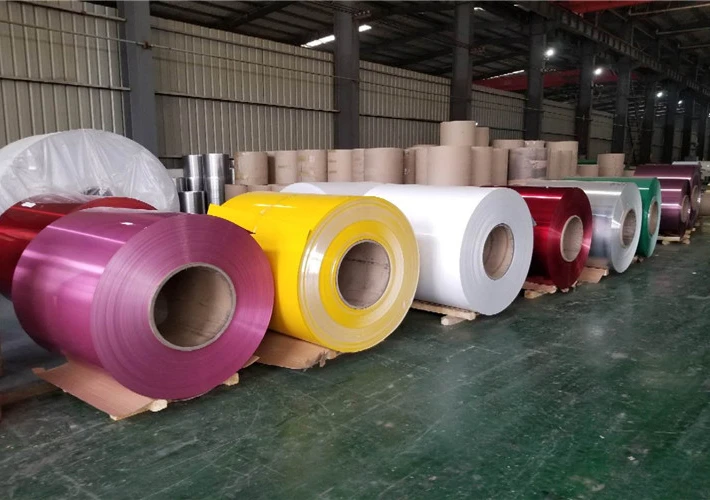
4. How Order Quantity, Packaging, and Shipping Affect Wholesale Costs
The final purchasing cost of color coated aluminum coil includes more than the manufacturing price.
Order quantity, packaging, transportation, customs duties, and delivery terms can all influence the landed cost.
4.1 Minimum Order Quantity and Bulk Purchasing
Most Chinese aluminum coil manufacturers have minimum order requirements.
The MOQ depends on:
- Aluminum alloy.
- Coil thickness.
- Coil width.
- Coating type.
- Color selection.
- Production line availability.
- Customization requirements.
Standard specifications and common colors are usually easier to arrange than unusual combinations.
Larger orders can provide several cost advantages:
Lower production setup costs per ton
Preparing a production line involves cleaning, adjusting, and setting production parameters. When a larger order is manufactured in one batch, these costs can be distributed across more tons.
Better raw material purchasing efficiency
Large manufacturers may obtain more favorable raw material purchasing arrangements through higher-volume procurement.
Reduced packaging and handling costs per ton
Bulk orders can sometimes simplify packaging, warehouse operations, and loading arrangements.
More efficient shipping
Ordering enough material to optimize container utilization may reduce transportation expenses per ton.
However, buyers should avoid purchasing excessive inventory merely to obtain a lower unit price.
The best order quantity should balance unit cost, expected sales, storage capacity, working capital, and market demand.
4.2 Standard Packaging and Export Packaging
Packaging is particularly important when transporting aluminum coils over long distances.
Color coated aluminum coils need suitable protection against moisture, scratches, deformation, and surface contamination.
Common export packaging arrangements include:
- Waterproof wrapping.
- Protective plastic film.
- Kraft paper.
- Moisture-resistant materials.
- Steel or wooden pallets where appropriate.
- Steel strapping.
- Reinforced outer protection.
Depending on the shipping method and destination requirements, suppliers may offer eye-to-sky or eye-to-wall coil packaging.
The packaging arrangement should be confirmed before production.
For example, coils transported by sea may require additional moisture protection because condensation can occur during long-distance transportation.
Although premium export packaging may increase the initial price slightly, it can help reduce damage claims and replacement costs.
4.3 Shipping Costs and Incoterms
Shipping expenses can represent a significant part of the total procurement budget.
The main factors affecting international transportation costs include:
- Destination port.
- Shipping route.
- Container availability.
- Freight market conditions.
- Cargo weight and dimensions.
- Seasonal demand.
- Insurance requirements.
- Port handling charges.
Buyers should also understand the differences between common Incoterms.
| Trade term | Main cost responsibility |
|---|---|
| EXW | Buyer arranges most transportation from the supplier’s premises |
| FOB | Seller handles export clearance and delivery on board the nominated vessel |
| CFR | Seller pays ocean freight to the destination port |
| CIF | Seller pays ocean freight and minimum required insurance to the destination port |
A FOB quotation and a CIF quotation should not be compared directly without accounting for their different cost inclusions.
For international wholesale buyers, it is useful to request both FOB and CIF quotations when evaluating suppliers.
This makes it easier to calculate the total landed cost and compare different sourcing options.
4.4 Import Duties and Additional Charges
The final landed cost may include:
- Customs duties.
- Import taxes.
- Port handling fees.
- Customs clearance fees.
- Inland transportation.
- Insurance.
- Inspection fees.
- Local storage costs.
Import duty rates depend on the destination country’s tariff classification, country of origin, trade agreements, and applicable trade measures.
Buyers should confirm the appropriate HS code and current import requirements with their customs broker before placing an order.
For aluminum products, additional trade measures may apply in certain markets.
Therefore, the supplier’s FOB price should not be treated as the final cost of delivering material to a warehouse or project site.
4.5 Total Landed Cost: A Better Way to Compare Suppliers
A practical landed-cost calculation is:
Total Landed Cost = Product Cost + Export Charges + International Freight + Insurance + Import Duties + Destination Charges + Inland Transportation
For example, suppose an importer purchases 20 metric tons of color coated aluminum coil at $2,500 per ton.
| Cost item | Amount |
|---|---|
| Product cost | $50,000 |
| Export and documentation charges | $500 |
| Ocean freight | $2,000 |
| Insurance | $150 |
| Destination and clearance charges | $1,000 |
| Inland transportation | $850 |
| Total before applicable import duties and taxes | $54,500 |
The landed cost is:
$54,500 ÷ 20 tons = $2,725 per ton
This example is for calculation purposes only. Actual shipping and destination costs vary according to the route, shipment size, and commercial arrangements.
The calculation demonstrates why buyers should evaluate the complete procurement cost instead of focusing exclusively on the factory price.
How to Choose the Right Color Coated Aluminum Coil for Different Applications
Selecting the correct product specification is one of the most effective ways to control wholesale costs.
Not every application requires premium PVDF coating or a high-strength aluminum alloy.
At the same time, selecting an inexpensive product that cannot withstand the intended environment may result in premature failure.
The key is matching the product’s technical characteristics to the actual application.
5.1 Color Coated Aluminum Coil for Roofing Sheets
Color coated aluminum coil is widely used to manufacture roofing sheets for industrial buildings, warehouses, agricultural structures, and commercial facilities.
Important purchasing considerations include:
- Aluminum alloy and temper.
- Substrate thickness.
- Coating system.
- Weather resistance.
- Formability.
- Surface appearance.
- Corrosion resistance.
For general roofing applications, buyers may consider suitable PE or HDP coating systems depending on the environmental conditions and expected service requirements.
For buildings exposed to strong sunlight, high humidity, coastal conditions, or demanding weather, a more durable coating system may be worth the additional investment.
The coil must also have suitable mechanical properties for the intended roll-forming process.
5.2 Color Coated Aluminum Coil for Wall Cladding and Facades
Architectural wall cladding requires materials that combine attractive appearance with long-term performance.
Color consistency, gloss retention, coating adhesion, and weather resistance are especially important.
PVDF-coated aluminum is frequently considered for premium exterior facades because of its weathering performance.
Buyers should pay attention to:
- UV resistance.
- Color stability.
- Surface uniformity.
- Coating thickness.
- Bending performance.
- Corrosion resistance.
For large commercial projects, it is advisable to approve color samples before mass production.
This helps minimize differences between production batches and reduces the risk of inconsistent facade appearance.
5.3 Color Coated Aluminum Coil for Aluminum Composite Panels
Color coated aluminum coil is also used as a facing material in aluminum composite panel manufacturing.
The required specification depends on the panel structure, application, and subsequent processing.
Important factors include:
- Aluminum thickness.
- Alloy selection.
- Coating performance.
- Surface flatness.
- Adhesion requirements.
- Color consistency.
- Compatibility with the panel production process.
For buyers manufacturing aluminum composite panels, it is important to discuss the specific production requirements with the coil supplier.
A coil that performs well in one application may not necessarily be suitable for every ACP production process.
5.4 Color Coated Aluminum Coil for Ceilings and Interior Decoration
Interior applications generally have different performance requirements from exterior facades.
Depending on the intended use, PE-coated aluminum coils may offer a practical balance between appearance and cost.
Common applications include:
- Aluminum ceiling panels.
- Decorative ceiling strips.
- Interior wall panels.
- Partition systems.
- Decorative trims.
- Interior architectural components.
For these applications, buyers may prioritize surface appearance, color consistency, coating adhesion, and formability.
Selecting a suitable standard color and finish can help reduce customization costs.
5.5 Color Coated Aluminum Coil for Gutters and Accessories
Gutters, downpipes, flashing, and other roofing accessories often require materials with good formability and corrosion resistance.
The selected aluminum alloy should be suitable for bending and forming.
Coating flexibility is also important because excessive cracking during fabrication can compromise the protective finish.
Buyers should confirm the minimum bending requirements and fabrication conditions when specifying the coil.
5.6 Matching Performance Requirements with Budget
The following table provides a simplified purchasing reference.
| Application | Main purchasing priority | Potential coating choice |
|---|---|---|
| General interior decoration | Appearance and cost | PE |
| Standard roofing | Weather resistance and formability | PE or HDP |
| Industrial building exterior | Durability and corrosion resistance | HDP or PVDF |
| Premium architectural facade | Long-term weatherability and color retention | PVDF |
| Aluminum composite panels | Coating compatibility and surface quality | PE or PVDF |
| Gutters and roofing accessories | Formability and coating flexibility | PE or suitable alternative |
These are general recommendations. Final selection should consider the project’s location, expected service life, exposure conditions, and technical specifications.
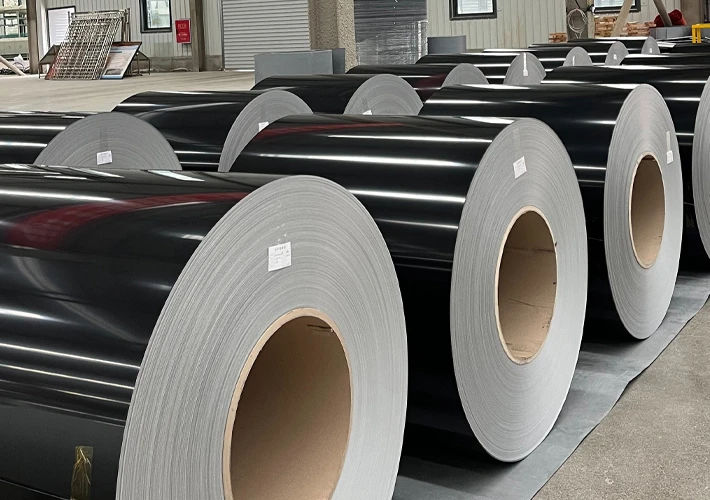
How to Reduce Color Coated Aluminum Coil Procurement Costs Without Sacrificing Quality
For importers and distributors purchasing color coated aluminum coils regularly, cost optimization should be a continuous process.
The objective is not simply to negotiate the lowest price. It is to reduce unnecessary expenses while maintaining the required product quality.
6.1 Choose the Correct Alloy and Temper
Start by confirming the actual mechanical requirements of the final product.
If a standard roofing sheet does not require the strength characteristics of a more expensive alloy, selecting an appropriate alternative may reduce material expenses.
However, buyers should not downgrade the alloy without verifying its suitability for the manufacturing process.
The supplier should confirm the relevant mechanical properties and applicable specifications.
6.2 Avoid Unnecessary Aluminum Thickness
Aluminum thickness has a significant effect on material consumption per square meter.
For project buyers, selecting the correct thickness can improve overall cost efficiency.
However, reducing thickness without engineering verification can lead to problems such as:
- Insufficient rigidity.
- Deformation during installation.
- Reduced mechanical performance.
- Increased handling damage.
- Unsatisfactory performance under project loads.
Always consider structural requirements and the finished product’s intended use before changing the thickness specification.
6.3 Select Coatings Based on the Actual Environment
Not every project requires the most expensive coating system.
For general indoor applications, PE may be sufficient.
For demanding outdoor applications, HDP or PVDF may offer better long-term value.
Choosing a coating based on environmental exposure helps prevent both overspending and premature coating deterioration.
6.4 Use Standard Colors Whenever Possible
Standard colors are often easier to produce and arrange in bulk.
Custom color development may involve additional formulation, sampling, and production preparation.
If your customers can accept a standard RAL color, selecting an established option may reduce lead times and purchasing costs.
For large distributors, keeping a limited range of popular colors in stock can also improve inventory management.
6.5 Consolidate Orders
Combining several compatible orders into one production batch may improve manufacturing efficiency.
For example, buyers purchasing the same alloy, thickness, and coating system in different standard colors may be able to negotiate more competitive production arrangements.
The feasibility depends on the manufacturer’s production schedule and minimum batch requirements.
Consolidated purchasing can also reduce repeated administrative, inspection, and transportation costs.
6.6 Work Directly with a Chinese Factory
Buying directly from a Chinese source manufacturer can help international buyers reduce unnecessary intermediary costs.
Direct factory cooperation offers several potential advantages:
- More transparent production specifications.
- Direct communication with technical personnel.
- Greater flexibility for customized requirements.
- Easier coordination of production schedules.
- Better opportunities for long-term pricing arrangements.
- Direct access to quality inspection and production information.
However, buyers should evaluate the manufacturer’s actual production capabilities rather than relying exclusively on the supplier’s factory-direct claim.
A dependable manufacturer should be able to provide product specifications, samples, production information, inspection records, and clear export documentation.
6.7 Compare Total Cost Rather Than Unit Price
When evaluating quotations, prepare a comparison sheet that includes all major technical and commercial requirements.
For example:
| Comparison item | Supplier A | Supplier B |
|---|---|---|
| Aluminum alloy | 3003 | 3003 |
| Thickness | 0.50 mm | 0.50 mm |
| Width | 1,000 mm | 1,000 mm |
| Coating | PE | PE |
| Front coating thickness | 18 μm | 20 μm |
| Back coating | 8 μm | 10 μm |
| Color | Same RAL reference | Same RAL reference |
| Price per ton | $2,350 | $2,450 |
| Packaging | Standard export | Reinforced export |
The above figures are illustrative.
Supplier B has a higher quotation, but it may provide a different coating specification and packaging arrangement.
Buyers should determine whether these differences offer meaningful value for their application.
A well-structured comparison prevents purchasing decisions from being driven by price alone.
How to Request a Competitive Wholesale Quotation from RoofGlory
When requesting a color coated aluminum coil quotation, providing complete technical information helps manufacturers prepare accurate and competitive offers.
Incomplete inquiries often lead to repeated communication, incorrect pricing assumptions, and delays in quotation preparation.
At RoofGlory, we understand that different importers, wholesalers, roofing manufacturers, and construction contractors have different purchasing requirements.
Our goal is to help buyers identify suitable product specifications and obtain a clear quotation based on their actual applications.
7.1 Information Required for an Accurate Quotation
We recommend preparing the following information before sending an inquiry.
| Required information | Example |
|---|---|
| Product | Color coated aluminum coil |
| Alloy | 3003 / 3105 / 5052 |
| Temper | H14 / H24 / Other |
| Thickness | 0.50 mm |
| Width | 1,000 mm |
| Coating | PE / SMP / HDP / PVDF |
| Coating thickness | As required |
| Color | RAL 9003 / Custom |
| Surface finish | Glossy / Matte / Wood grain |
| Coil weight | As required |
| Application | Roofing / Cladding / ACP |
| Order quantity | 20 metric tons |
| Destination | Country and port |
| Trade term | FOB / CIF / CFR |
Providing these details allows the supplier to calculate material requirements, coating costs, processing charges, and packaging expenses more accurately.
If you do not have all the technical information, you can also provide product drawings, application photos, or samples for specification recommendations.
7.2 Why Choose a Chinese Factory Supplier?
China has an established aluminum processing and building materials manufacturing industry.
For overseas buyers, sourcing directly from a Chinese factory can offer access to:
- Competitive manufacturing costs.
- A broad range of aluminum alloy options.
- Flexible product specifications.
- Customized coating and color solutions.
- Bulk production capabilities.
- Export-oriented packaging and logistics support.
When selecting a Chinese supplier, buyers should focus on manufacturing capability, product consistency, communication efficiency, and quality management.
RoofGlory is positioned as a Chinese building materials supplier serving international B2B buyers.
We focus on providing practical product solutions for roofing systems, architectural materials, and construction-related applications.
7.3 RoofGlory’s Approach to B2B Cooperation
For distributors and project contractors, a reliable supplier relationship should extend beyond a single transaction.
RoofGlory aims to support customers through:
Product specification coordination
We help buyers clarify product dimensions, coating options, colors, and application requirements before production.
Customized purchasing solutions
Different projects require different material combinations. We work with customers to identify suitable specifications based on their purchasing objectives.
Production and order coordination
Clear communication regarding order details, production arrangements, packaging, and shipment preparation helps reduce unnecessary delays.
Export-oriented service
We understand the importance of export packaging, shipping documentation, and communication with international customers.
Long-term cooperation
For wholesalers and importers, stable specifications and repeat-order consistency are important factors in building a sustainable supply relationship.
7.4 Request Your Latest Color Coated Aluminum Coil Price per Ton
If you are looking for a reliable Chinese supplier of color coated aluminum coil, RoofGlory welcomes inquiries from:
- Aluminum coil importers.
- Roofing material wholesalers.
- Building material distributors.
- Aluminum fabricators.
- ACP manufacturers.
- Construction contractors.
- Industrial material purchasing companies.
Send us your required alloy, temper, thickness, width, coating type, color, and order quantity.
Our team can help you evaluate suitable specifications and prepare a quotation based on your requirements.
Contact us to discuss your color coated aluminum coil purchasing requirements and explore a suitable wholesale supply solution.
Frequently Asked Questions About Color Coated Aluminum Coil Prices
1. How much does color coated aluminum coil cost per ton?
The price depends on aluminum market conditions, alloy grade, thickness, coating type, paint film thickness, color, order quantity, and shipping terms.
Illustrative wholesale market references may range from approximately $2,100 to more than $3,500 per ton, with specialized products potentially costing more. Buyers should obtain updated quotations based on exact specifications.
2. Why is PVDF color coated aluminum coil more expensive than PE?
PVDF uses a fluoropolymer-based coating system designed for demanding exterior applications. Its coating materials and production requirements generally cost more than standard polyester systems.
PVDF is commonly selected for architectural facades and other projects requiring stronger weathering performance and long-term color retention.
3. Which aluminum alloy is commonly used for color coated aluminum coils?
Common options include 1050, 1060, 1100, 3003, 3004, 3105, and 5052.
The best alloy depends on the required strength, formability, corrosion resistance, and application.
4. What thickness is commonly used for color coated aluminum coils?
Common commercial thicknesses range from approximately 0.20 mm to 1.50 mm, depending on the manufacturer and application.
Roofing, cladding, ceiling systems, gutters, and decorative products may require different thicknesses.
5. Is PE coating suitable for outdoor applications?
PE coating can be suitable for selected general outdoor applications, depending on its formulation, coating thickness, exposure conditions, and required service life.
For projects exposed to strong sunlight or demanding weather conditions, buyers should evaluate HDP or PVDF alternatives.
6. Does a thicker paint coating always mean better quality?
Not necessarily.
Coating performance depends on resin quality, pigment selection, pretreatment, curing, adhesion, and the complete coating system.
Paint film thickness should meet the technical requirements for the intended application rather than being increased without reason.
7. How does aluminum thickness affect the price per ton?
Aluminum thickness mainly affects the amount of material required per square meter.
A thicker coil contains more aluminum per unit of surface area. However, the price per ton also depends on alloy costs, coating expenses, and manufacturing requirements.
Therefore, buyers should compare both price per ton and material cost per square meter.
8. What is the difference between FOB and CIF color coated aluminum coil prices?
FOB generally covers the seller’s costs up to loading the goods on board the nominated vessel at the agreed port.
CIF includes the seller’s cost of ocean freight and minimum required insurance to the named destination port.
Import duties, destination handling, customs clearance, and inland delivery may still be payable by the buyer.
9. What information should I provide when requesting a wholesale quotation?
Provide the alloy, temper, thickness, width, coating type, coating thickness, color, surface finish, coil weight, order quantity, destination port, and preferred Incoterm.
The more complete your specifications are, the more accurate and comparable the quotation will be.
10. Can Chinese manufacturers provide customized color coated aluminum coils?
Many Chinese manufacturers can offer customized alloy specifications, thicknesses, widths, colors, coating systems, and packaging arrangements.
Availability depends on production capabilities and minimum order quantities.
Buyers should confirm the feasibility of special specifications before placing an order.
11. How can I check the quality of color coated aluminum coils before shipment?
Buyers can request material certificates, dimensional inspection records, coating thickness measurements, color inspection results, and relevant coating performance test reports.
Pre-shipment inspection and sample approval are also useful for confirming that the finished products meet the agreed specifications.
12. Is buying color coated aluminum coils directly from a Chinese factory cheaper?
Direct purchasing may reduce intermediary costs and provide better communication regarding technical specifications and production arrangements.
However, the final purchasing decision should consider product quality, shipping expenses, import duties, supplier reliability, and total landed cost.
13. How long does it take to produce a color coated aluminum coil order?
Lead time depends on order quantity, alloy availability, coating requirements, color customization, production schedules, and packaging arrangements.
Standard specifications may be easier to arrange than customized products. Buyers should confirm the production schedule with the manufacturer before placing an order.
14. How can I get a more accurate color coated aluminum coil price?
The most effective way is to provide complete technical specifications and your expected order quantity.
You can also share a product drawing, sample, or intended application so the supplier can recommend a suitable product configuration.
Contact RoofGlory today to discuss your wholesale requirements and request a quotation for color coated aluminum coil from a Chinese supplier.