Drywall screws are one of the most widely used fasteners in modern construction, interior decoration, and building projects. Although they may look simple, choosing the correct drywall screw size is essential for ensuring strong fastening performance, preventing board damage, and improving installation efficiency.
For importers, wholesalers, hardware distributors, and construction contractors, understanding drywall screw dimensions is also important when selecting products from a reliable supplier. Different markets, applications, and construction materials require different screw lengths, diameters, thread designs, and surface treatments.
As a professional China factory supplier, RoofGlory provides high-quality construction fasteners, including drywall screws, roofing accessories, and building hardware solutions for global customers. With advanced production equipment, strict quality control, and customized manufacturing capability, RoofGlory supports distributors and project buyers with stable supply and competitive factory pricing.
In this article, we will explain the most commonly used drywall screw sizes, how to select the right specifications, and what international buyers should consider when sourcing drywall screws from China.
Understanding Drywall Screw Sizes and Specifications
Before choosing drywall screws, it is important to understand how screw sizes are measured. Drywall screw specifications usually include four key factors:
- Screw length
- Screw diameter
- Thread type
- Head design
Unlike general wood screws or metal screws, drywall screws are specifically designed for fixing gypsum boards, plasterboards, and drywall panels to different substrates.
The most common drywall screw measurements include:
- Length: measured from the tip of the screw to the underside of the head
- Diameter: usually expressed by gauge number
- Thread: coarse thread or fine thread
- Point type: sharp point or self-drilling point
For international markets, drywall screws are commonly sold in sizes ranging from approximately 1 inch to 4 inches, depending on application requirements.
The correct screw size depends mainly on:
- Thickness of drywall panels
- Type of framing material
- Number of layers of boards
- Installation environment
- Required holding strength
Using a screw that is too short may result in weak fastening, while using an excessively long screw can increase installation difficulty and damage hidden structures.
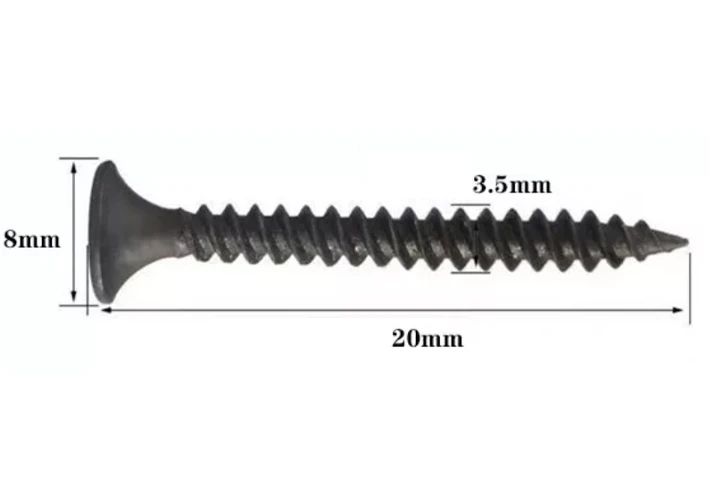
The Most Common Drywall Screw Lengths Used in Construction
Among all drywall screw specifications, length is the most important factor. Different drywall thicknesses require different screw lengths to achieve proper penetration.
The most commonly used drywall screw lengths include:
1 Inch Drywall Screws
1-inch drywall screws are typically used for thinner drywall panels or lightweight applications.
Common applications include:
- Fixing thin gypsum boards
- Single-layer drywall installation
- Small repair projects
- Interior decoration applications
Although 1-inch screws are not the most popular choice for heavy construction, they are frequently used in specific situations where shorter fastening depth is required.
1-1/4 Inch Drywall Screws
The 1-1/4 inch drywall screw is one of the most commonly used sizes worldwide.
It is widely used for:
- 1/2 inch drywall boards
- Standard residential construction
- Interior wall installation
- Ceiling drywall projects
For many contractors, 1-1/4 inch screws are considered the standard choice because they provide sufficient penetration without excessive length.
For wood framing applications, this size offers a good balance between holding strength and installation speed.
1-5/8 Inch Drywall Screws
1-5/8 inch drywall screws are another popular specification, especially for thicker materials.
They are commonly used for:
- 5/8 inch drywall panels
- Double-layer drywall systems
- Commercial buildings
- Fire-rated wall assemblies
Commercial construction projects often require thicker gypsum boards to improve sound insulation, fire resistance, or structural performance. In these cases, longer screws are necessary to ensure secure attachment.
2 Inch Drywall Screws
2-inch drywall screws are generally used for special applications requiring deeper penetration.
Typical uses include:
- Multiple drywall layers
- Thick wall systems
- Heavy-duty interior construction
- Reinforced drywall structures
Because of their additional length, 2-inch screws provide stronger holding power but require proper installation techniques.
3 Inch and Longer Drywall Screws
Longer drywall screws, including 3-inch and 4-inch sizes, are less common but still used in specific construction situations.
Applications include:
- Thick composite wall systems
- Multiple board installations
- Special engineering projects
- Deep fastening requirements
For standard drywall installation, extremely long screws are usually unnecessary.
Common Drywall Screw Diameters and Gauge Sizes
Besides length, diameter affects the strength and performance of drywall screws.
Most drywall screws are classified by gauge size. Common diameters include:
| Gauge Size | Approximate Diameter | Common Application |
|---|---|---|
| #6 | About 3.5 mm | General drywall installation |
| #7 | About 3.9 mm | Higher holding strength applications |
| #8 | About 4.2 mm | Heavy-duty fastening |
The #6 drywall screw is the most widely used option in many markets because it provides sufficient strength for standard drywall applications while allowing fast installation.
For projects requiring stronger fastening performance, contractors may choose larger diameters such as #7 or #8.
When sourcing drywall screws from China, buyers should confirm diameter standards because different countries may use different measurement systems.
RoofGlory can manufacture drywall screws according to customer requirements, including customized sizes, packaging, and labeling for different markets.
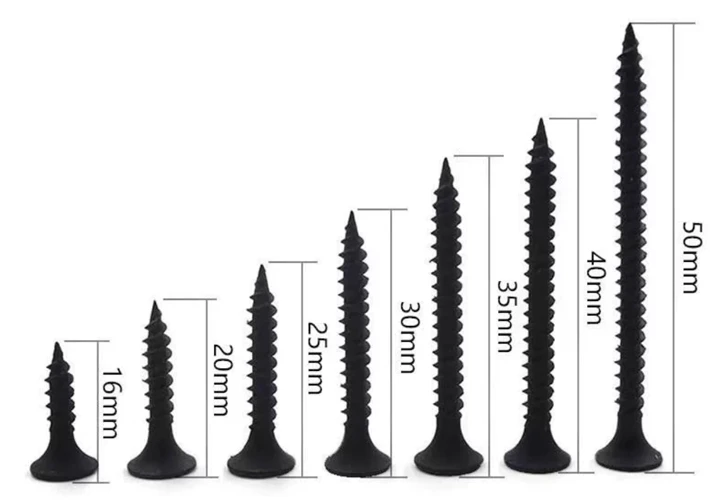
Coarse Thread vs Fine Thread Drywall Screws: How to Choose?
Thread design is another important factor when selecting drywall screws.
The two main types are:
- Coarse thread drywall screws
- Fine thread drywall screws
Each type is designed for different substrates.
Coarse Thread Drywall Screws
Coarse thread screws have larger thread spacing and deeper grooves.
They are mainly used for:
- Wooden studs
- Timber framing
- Soft materials
Advantages include:
- Strong grip in wood
- Faster installation
- Better material penetration
For residential construction using wooden frames, coarse thread drywall screws are commonly preferred.
Fine Thread Drywall Screws
Fine thread screws have tighter thread spacing.
They are mainly used for:
- Metal studs
- Steel framing
- Thin metal profiles
Advantages include:
- Easier penetration into metal
- Reduced risk of damaging thin steel
- Better control during installation
Commercial buildings often use metal framing systems, making fine thread drywall screws a common choice.
How to Select the Right Drywall Screw Size for Different Applications
Choosing the correct drywall screw requires matching the screw specification with the installation environment.
Drywall Attached to Wood Studs
For standard residential projects:
Recommended sizes:
- 1/2 inch drywall → 1-1/4 inch coarse thread screws
- 5/8 inch drywall → 1-5/8 inch coarse thread screws
Wood framing requires coarse threads because they provide better grip inside timber.
Drywall Attached to Metal Studs
For steel framing:
Recommended sizes:
- 1/2 inch drywall → 1 inch or 1-1/4 inch fine thread screws
- 5/8 inch drywall → 1-5/8 inch fine thread screws
Fine threads allow better penetration into metal channels.
Double-Layer Drywall Installation
For projects requiring two layers of drywall:
Recommended sizes:
- 1-5/8 inch
- 2 inch
- 2-1/2 inch
Longer screws ensure both layers are securely attached to the framing structure.
Commercial and Industrial Projects
Large-scale projects such as:
- Hotels
- Office buildings
- Shopping centers
- Public facilities
often require specific drywall screw specifications based on engineering requirements.
Contractors usually prioritize:
- Consistent dimensions
- Strong tensile strength
- Corrosion resistance
- Reliable batch quality
This is why many international buyers choose professional factory suppliers rather than general trading companies.
Surface Treatment and Quality Requirements for Drywall Screws
Besides size selection, surface quality is also important for drywall screw performance.
Common surface treatments include:
Black Phosphate Coating
Black phosphate drywall screws are among the most popular options.
Benefits:
- Good corrosion resistance
- Suitable for indoor drywall applications
- Better paint adhesion
- Cost-effective
They are widely used in residential and commercial interior construction.
Zinc Coated Drywall Screws
Zinc-coated screws provide improved corrosion protection.
Advantages:
- Better moisture resistance
- Longer service life
- Suitable for environments with higher humidity
They are often selected for projects requiring additional protection.
Quality Standards
Professional drywall screw manufacturers usually control:
- Raw material quality
- Wire drawing process
- Thread accuracy
- Heat treatment
- Surface coating thickness
- Salt spray resistance
- Packaging quality
For distributors importing large quantities, consistent quality is more important than only purchasing the lowest price products.
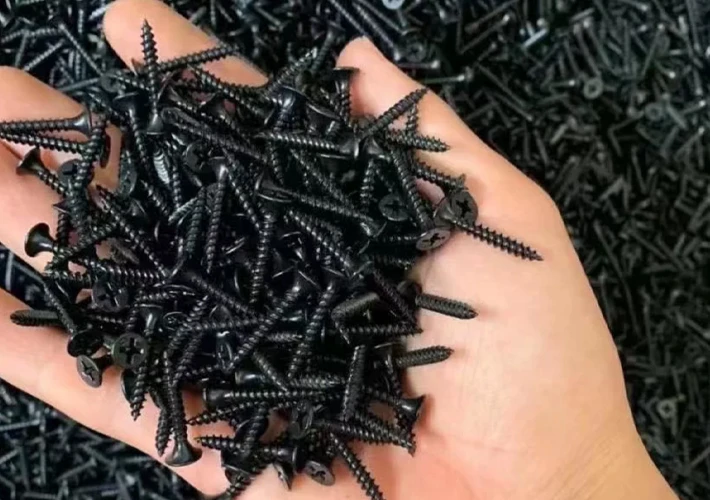
Why Choose RoofGlory as Your China Drywall Screw Supplier?
For global hardware distributors and construction material buyers, choosing the right manufacturer directly affects product quality, delivery stability, and long-term business development.
RoofGlory is a professional China factory supplying construction hardware products for international markets.
Our advantages include:
Factory Direct Supply
Working directly with a factory helps customers achieve:
- Competitive wholesale prices
- Stable production capacity
- Flexible order quantities
- Better communication efficiency
Customized Manufacturing
Different markets may require different:
- Screw sizes
- Packaging designs
- Labels
- Carton specifications
- Private brands
RoofGlory supports OEM and customized production solutions for distributors and project suppliers.
Strict Quality Control
Every production stage is carefully controlled, including:
- Raw material inspection
- Screw forming
- Thread checking
- Heat treatment
- Surface coating
- Final inspection
This ensures reliable performance for construction applications.
Global Export Experience
RoofGlory works with international customers including:
- Hardware wholesalers
- Building material distributors
- Construction contractors
- Import companies
We understand different market requirements and provide professional export support.
Frequently Asked Questions About Drywall Screw Sizes
What is the most common drywall screw size?
The most commonly used drywall screw size is 1-1/4 inch, especially for standard 1/2 inch drywall panels installed on wood framing.
Are longer drywall screws always better?
No. Longer screws are not always better. The correct screw length depends on drywall thickness and framing material. Excessively long screws may reduce installation efficiency or damage underlying structures.
What size drywall screws are used for 5/8 inch drywall?
For 5/8 inch drywall, 1-5/8 inch drywall screws are commonly recommended because they provide sufficient penetration into the framing.
Should I use coarse or fine thread drywall screws?
Use coarse thread screws for wood studs and fine thread screws for metal studs. Choosing the correct thread type improves holding strength and installation efficiency.
Can drywall screws be used outdoors?
Standard drywall screws are mainly designed for indoor applications. For outdoor environments, corrosion-resistant fasteners specifically designed for exterior use should be selected.
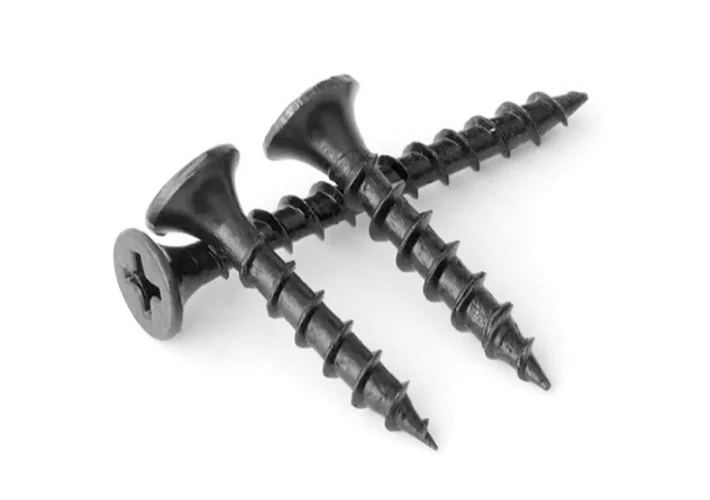
Conclusion: Choosing the Right Drywall Screw Size for Better Construction Results
Drywall screws may be small components, but they play an essential role in construction quality and installation reliability.
The most commonly used drywall screw sizes include:
- 1 inch
- 1-1/4 inch
- 1-5/8 inch
- 2 inch
Among them, 1-1/4 inch and 1-5/8 inch screws are the most popular choices for residential and commercial drywall projects.
For professional buyers, selecting the right supplier is just as important as selecting the right screw size. A reliable factory partner can provide consistent quality, competitive pricing, customized solutions, and stable supply.
As a China manufacturer, RoofGlory provides high-quality drywall screws and construction fasteners for global distributors, wholesalers, and engineering projects.
Contact RoofGlory today for factory pricing, customized specifications, and professional fastening solutions for your market.