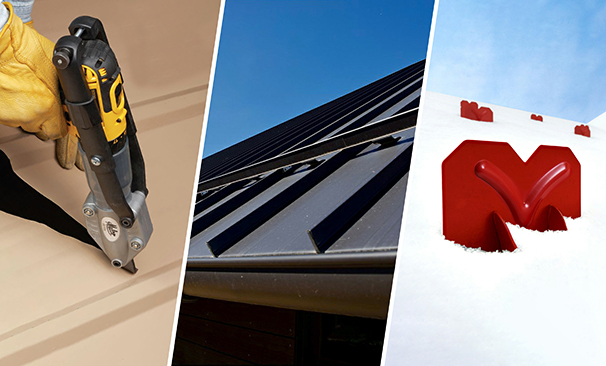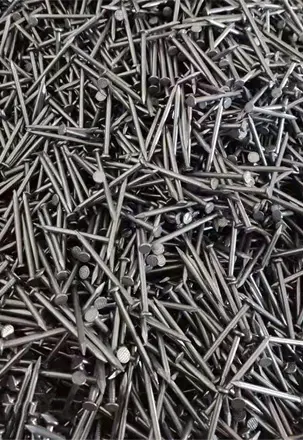
Carbon steel flat bar and stainless steel flat bar are widely used in construction, manufacturing, machinery, infrastructure, fabrication, and industrial engineering. Although both products share a similar flat rectangular shape, they differ significantly in chemical composition, corrosion resistance, mechanical properties, maintenance requirements, and purchasing costs. Choosing the right material can directly affect project budgets, product service life, structural reliability, and long-term maintenance expenses.
For steel importers, wholesalers, distributors, contractors, and industrial buyers, understanding the differences between carbon steel flat bar and stainless steel flat bar is essential before placing bulk orders. Selecting the lowest-priced material without considering its working environment can lead to premature corrosion, additional coating costs, unexpected maintenance, or even component replacement.
Carbon steel flat bar is generally preferred for cost-effective structural applications, fabrication, machinery components, and projects where protective coatings can provide sufficient corrosion resistance. Stainless steel flat bar is often a better choice for environments requiring greater corrosion resistance, hygienic surfaces, or reduced maintenance.
As a China-based steel and building materials supplier, RoofGlory helps international buyers evaluate material options and source products according to project requirements, specifications, and purchasing needs. This guide compares carbon steel flat bar and stainless steel flat bar to help buyers make informed decisions and select the right material for their applications.
What Is the Difference Between Carbon Steel Flat Bar and Stainless Steel Flat Bar?
The primary difference between carbon steel flat bar and stainless steel flat bar is their chemical composition, especially their chromium content. This difference affects corrosion resistance, mechanical behavior, manufacturing processes, and total ownership costs.
What Is Carbon Steel Flat Bar?
Carbon steel flat bar is a long, flat steel product with a rectangular cross-section. It is manufactured from carbon steel, which primarily consists of iron and carbon, together with other elements such as manganese, silicon, and small quantities of additional elements depending on the grade.
Carbon steel flat bars are available in different dimensions, thicknesses, widths, and grades. They can be produced through hot rolling, cold finishing, or other processing methods, depending on the product specification.
Carbon content influences the hardness, strength, ductility, and weldability of carbon steel. Low-carbon steel is commonly selected for general fabrication because it is relatively easy to cut, bend, drill, and weld. Higher-carbon grades can offer greater hardness and strength in appropriate applications but may require more careful processing.
Common applications include:
- Building frames, brackets, and structural supports.
- Machinery bases, equipment frames, and fabricated components.
- General metal fabrication and workshop manufacturing.
- Industrial racks, platforms, and support structures.
- Agricultural equipment and repair components.
- Gates, railings, fences, and metal furniture.
- Manufacturing projects where protective paint or galvanizing can be applied.
One of the main advantages of carbon steel flat bar is its competitive purchase price. It offers a practical solution for buyers who need dependable mechanical performance without paying a premium for stainless steel’s corrosion-resistant properties.
However, ordinary carbon steel does not contain enough chromium to form the protective passive film associated with stainless steel. When exposed to moisture and oxygen, it can develop rust. Surface protection may therefore be necessary, particularly for outdoor, humid, or chemically aggressive environments.
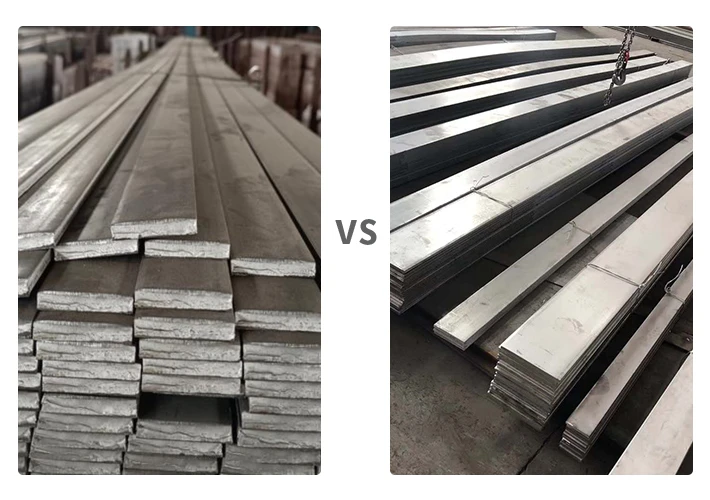
What Is Stainless Steel Flat Bar?
Stainless steel flat bar is a flat rectangular steel product manufactured from stainless steel alloys. Stainless steel contains at least approximately 10.5% chromium by mass, which enables the formation of a thin, self-repairing passive oxide film under suitable conditions.
This protective film significantly improves corrosion resistance compared with ordinary carbon steel. Actual performance depends on the stainless steel grade, surface finish, temperature, chemical exposure, and maintenance conditions.
Common stainless steel flat bar grades include:
- 304 stainless steel: A widely used austenitic grade suitable for many indoor, outdoor, architectural, and general industrial applications.
- 316 stainless steel: Contains molybdenum and generally provides better resistance to chloride-related corrosion than 304, making it useful in many coastal and chemical-processing environments.
- 430 stainless steel: A ferritic grade used in selected decorative, appliance, and general-purpose applications where its corrosion resistance and mechanical characteristics are suitable.
- Other specialized grades: Selected according to requirements such as strength, corrosion resistance, temperature performance, or manufacturing conditions.
Typical applications include food-processing equipment, architectural components, commercial kitchens, industrial equipment, chemical-processing facilities, marine-related components, and decorative metalwork.
Stainless steel flat bar usually costs more than comparable carbon steel flat bar at the purchase stage. Nevertheless, it can reduce painting requirements, corrosion-related maintenance, and replacement costs in applications where rust resistance is important.
It is important to remember that stainless steel is not completely immune to corrosion. Incorrect grade selection, chloride accumulation, poor drainage, surface contamination, and unsuitable maintenance practices can still cause pitting, crevice corrosion, or other forms of deterioration.
Quick Comparison
| Comparison factor | Carbon steel flat bar | Stainless steel flat bar |
|---|---|---|
| Main composition | Iron and carbon, with other alloying elements | Iron with at least approximately 10.5% chromium and other alloying elements |
| Purchase cost | Generally lower | Generally higher |
| Corrosion resistance | Limited without suitable protection | Generally higher, depending on grade and environment |
| Surface protection | Often requires paint, galvanizing, or another coating for exposed service | Often used without conventional paint protection |
| Welding | Generally straightforward for suitable low-carbon grades | Depends on grade, filler metal, heat input, and fabrication procedure |
| Magnetic properties | Usually magnetic | Depends on grade; 304 and 316 are generally nonmagnetic in the annealed condition, while 430 is magnetic |
| Maintenance | May require periodic inspection and recoating | Often lower in suitable environments, but cleaning and inspection remain important |
| Typical applications | Structural fabrication, machinery, supports, general construction | Corrosion-sensitive equipment, architectural components, food-related equipment, selected outdoor applications |
For purchasing purposes, the most important distinction is not simply that one material is cheaper and the other is more corrosion-resistant. Buyers should determine whether the intended application genuinely requires stainless steel or whether properly protected carbon steel can meet the same performance requirements at a lower overall cost.
Corrosion Resistance: Which Flat Bar Is Better for Your Project?
Corrosion resistance is one of the most important factors when choosing between carbon steel flat bar and stainless steel flat bar. The correct selection depends on the environment in which the product will operate, how long it must remain in service, and how much maintenance is acceptable.
Carbon Steel Flat Bar and Rust Prevention
Carbon steel can react with oxygen and moisture, producing iron oxides commonly known as rust. The speed of corrosion depends on humidity, temperature, exposure to rain, salt, industrial pollutants, chemicals, and the condition of the steel surface.
In dry indoor environments, untreated carbon steel may remain serviceable for extended periods. In outdoor environments, however, exposure to rain and condensation can accelerate corrosion. Coastal locations and industrial facilities may create more demanding conditions.
Several protective methods can improve the durability of carbon steel flat bar:
Painting: Industrial primers and topcoats create a barrier between the steel and the surrounding environment. Performance depends on surface preparation, coating thickness, application quality, and maintenance.
Hot-dip galvanizing: A zinc coating provides a physical barrier and sacrificial protection under appropriate conditions. It is commonly used for exposed steel components in construction, infrastructure, and outdoor installations.
Other metallic coatings: Depending on the project, alternative metallic coating systems may be suitable. Buyers should confirm coating specifications and compatibility with the intended application.
Regular maintenance: Inspection, cleaning, and timely repair of damaged coatings can help extend the service life of carbon steel components.
Carbon steel flat bar can therefore be a practical choice for outdoor applications when an appropriate corrosion-protection system is specified and maintained.
However, the cost of protection should be included in the purchasing decision. A low initial material price may not produce the lowest total cost if the project requires extensive coating work, frequent maintenance, or difficult access for repairs.
Stainless Steel Flat Bar in Corrosive Environments
Stainless steel generally provides better corrosion resistance because chromium helps form a passive surface film. When the film is damaged, it can reform in suitable oxygen-containing environments.
Nevertheless, stainless steel performance varies considerably by grade.
Grade 304 is suitable for many general-purpose applications, including indoor equipment, architectural components, and some outdoor installations. It may be inadequate for certain environments with substantial chloride exposure.
Grade 316 contains molybdenum, which improves resistance to pitting and crevice corrosion in many chloride-containing environments. It is frequently considered for coastal equipment, marine-adjacent installations, and selected chemical-processing applications.
Even 316 stainless steel can suffer corrosion in aggressive conditions, particularly where salt deposits accumulate, oxygen access is restricted, or temperatures and chemical concentrations are high.
For projects involving seawater immersion, concentrated chemicals, elevated temperatures, or strict hygiene requirements, buyers should obtain application-specific material recommendations rather than assuming that any stainless steel grade will be sufficient.
Which Material Should You Choose?
Carbon steel flat bar is often appropriate when:
- The environment is dry or moderately corrosive.
- Protective painting or galvanizing is acceptable.
- The project has a tight initial material budget.
- Maintenance and recoating are practical.
- The component is part of a larger structure with a defined corrosion-protection system.
Stainless steel flat bar is often preferable when:
- The component will be exposed to moisture frequently.
- Rust staining would affect product quality or appearance.
- The application involves cleaning, washing, or selected chemical exposure.
- Maintenance access is limited.
- Long-term corrosion performance is more important than the lowest initial price.
For international buyers, the final choice should consider local weather, atmospheric pollution, salt exposure, expected service life, coating standards, and applicable project specifications.
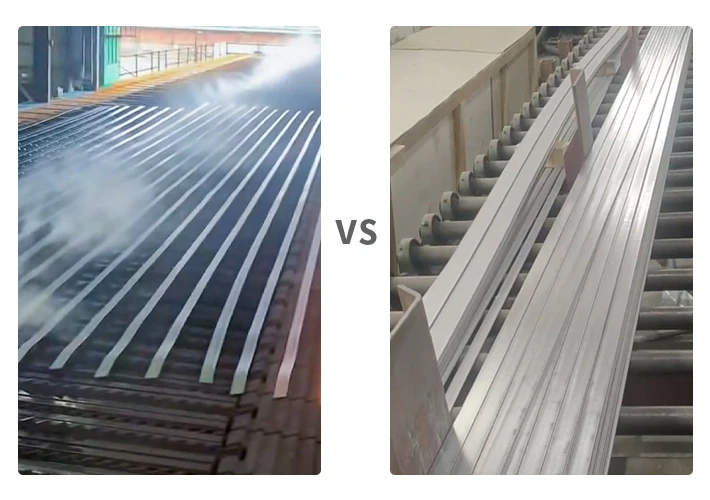
Strength, Durability, and Mechanical Properties
Mechanical performance is another important factor when comparing carbon steel flat bar with stainless steel flat bar. Buyers should not assume that stainless steel is always stronger or that carbon steel is always less durable.
Strength, hardness, ductility, toughness, and fatigue performance depend on the exact grade, production process, heat treatment, thickness, and loading conditions.
Strength of Carbon Steel Flat Bar
Carbon steel is available in a broad range of grades with different mechanical properties. Low-carbon structural grades are widely used because they combine useful strength with good formability and weldability.
Higher-strength carbon steel grades can support demanding structural and manufacturing applications when their properties meet the relevant design requirements.
Advantages may include:
- Competitive strength-to-cost performance.
- Good availability in common commercial dimensions.
- Suitable weldability for many low-carbon grades.
- Straightforward cutting, drilling, and machining.
- Compatibility with a wide range of fabrication methods.
For structural supports, brackets, equipment frames, and general fabricated components, carbon steel flat bar often provides sufficient strength at a competitive cost.
However, corrosion can reduce the effective cross-sectional area of carbon steel over time. If a component operates outdoors or in a corrosive environment, designers must account for the specified corrosion allowance, coating system, inspection schedule, and maintenance strategy where applicable.
Strength of Stainless Steel Flat Bar
Stainless steel mechanical properties vary by family and grade. Austenitic stainless steels such as 304 and 316 offer good ductility and toughness, while other stainless steel grades may provide different combinations of hardness, strength, and corrosion resistance.
Some stainless steels develop higher strength through cold working. Ferritic and martensitic grades have distinct mechanical characteristics, so material selection should follow the requirements of the actual application.
Stainless steel can offer advantages when corrosion resistance and mechanical performance must be maintained together. For example, a component that remains structurally sound but suffers unacceptable surface corrosion may not be suitable for a visible architectural installation or a hygiene-sensitive environment.
Nevertheless, the word “stainless” does not automatically indicate greater tensile strength than carbon steel. Buyers should compare certified mechanical properties for the specific grades being considered.
Durability Beyond Strength
Durability includes more than resistance to a single applied load. It can also involve:
- Resistance to corrosion and environmental degradation.
- Fatigue performance under repeated loading.
- Resistance to deformation and wear.
- Weld quality and heat-affected-zone performance.
- Dimensional stability and fabrication accuracy.
- Suitability for cleaning, inspection, and maintenance.
For example, a carbon steel flat bar used inside a dry industrial workshop may deliver excellent long-term service when correctly designed. A stainless steel flat bar used in an aggressive chemical environment may still fail prematurely if its grade is unsuitable.
Similarly, stainless steel may be the better option for a frequently washed food-processing component, even when its initial mechanical strength is not substantially higher than that of the carbon steel alternative.
For B2B procurement, buyers should specify the grade, dimensions, applicable product standard, mechanical-property requirements, and required inspection documentation before comparing supplier quotations.
Cost Comparison: Purchase Price vs Total Cost of Ownership
Price is often the first factor considered when sourcing flat bar steel from China. However, the cheapest product at the quotation stage is not necessarily the most economical choice over the entire project lifecycle.
Carbon steel flat bar generally has a lower initial material cost than comparable stainless steel flat bar. The actual price difference depends on market conditions, grade, dimensions, order quantity, processing requirements, and delivery terms.
Why Carbon Steel Flat Bar Usually Costs Less
Carbon steel is widely produced and used in construction and manufacturing. Standard commercial grades benefit from broad supply availability and established processing methods.
For many general-purpose projects, carbon steel offers an attractive combination of mechanical performance and affordability.
Its main purchasing advantages include:
- Lower initial material expenditure in many comparable applications.
- Broad availability in standard sizes and grades.
- Competitive fabrication and machining costs.
- Flexible options for painting, galvanizing, and other protective treatments.
- Suitability for high-volume industrial and construction orders.
For distributors and wholesalers, carbon steel flat bar may also provide an economical inventory option for customers who need general fabrication materials.
However, the buyer should confirm whether the quotation includes cutting, surface treatment, packaging, testing, and transportation. Two quotations based on different delivery or processing conditions should not be compared as if they were identical.
Why Stainless Steel Flat Bar Costs More
Stainless steel contains alloying elements such as chromium and, in some grades, nickel and molybdenum. Their prices, together with manufacturing and processing requirements, influence the final product cost.
Stainless steel pricing can vary significantly between 304, 316, 430, and other grades. Different surface finishes and dimensional tolerances may also affect the quotation.
Although the initial cost is often higher, stainless steel may reduce certain long-term expenses, including:
- Repeated painting or recoating.
- Corrosion-related inspections and repairs.
- Replacement of rust-damaged components.
- Downtime caused by maintenance.
- Costs associated with corrosion-related appearance problems.
These savings are not guaranteed. They depend on the operating environment, the grade selected, and the maintenance plan.
How to Calculate Total Cost of Ownership
A useful comparison should include the purchase price and the expected costs over the component’s service life.
A simplified calculation is:
Total cost of ownership = Material cost + Fabrication cost + Surface protection cost + Installation cost + Maintenance cost + Expected replacement cost
Consider a hypothetical project requiring 1,000 kg of flat bar.
Option A uses carbon steel at a material cost of $1,000. Painting and future maintenance add $500 over the evaluation period. The estimated total is $1,500, excluding costs shared by both options.
Option B uses stainless steel at a material cost of $1,800, with $100 in additional cleaning and inspection expenses over the same period. The estimated total is $1,900.
In this example, carbon steel remains cheaper.
However, if the carbon steel installation requires repeated recoating, expensive access equipment, or early replacement, its lifecycle cost could exceed the stainless steel option.
These figures are illustrative only and are not current market quotations. Actual prices must be obtained from suppliers based on the selected grade, dimensions, order quantity, and delivery terms.
Which Option Offers Better Value?
Choose carbon steel flat bar when the required mechanical performance can be achieved economically and corrosion protection is manageable.
Choose stainless steel flat bar when its corrosion resistance, appearance, hygiene-related characteristics, or reduced maintenance requirements justify the price premium.
For importers and project contractors, the best approach is to compare quotations using equivalent dimensions, specifications, certification requirements, packaging conditions, and delivery terms. This provides a more reliable basis for purchasing decisions than comparing the price per kilogram alone.
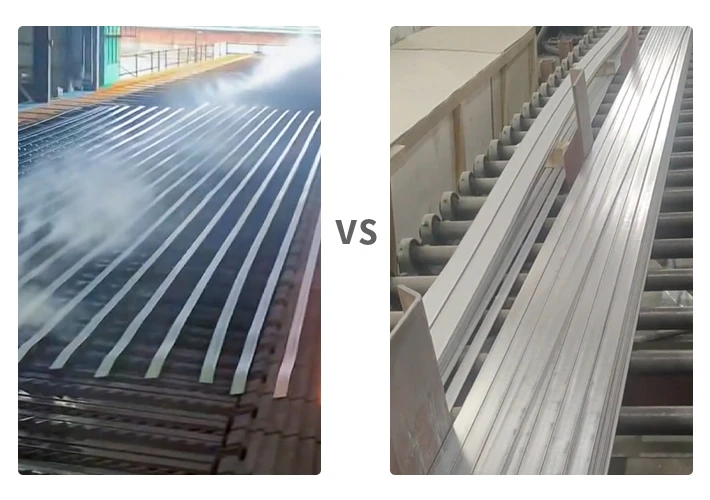
Processing, Welding, and Fabrication Considerations
Fabrication requirements can influence both material selection and the final cost of a project. Although carbon steel and stainless steel flat bars can both be cut, drilled, bent, and welded, their processing requirements are not identical.
Cutting and Machining
Low-carbon steel flat bar is generally straightforward to cut and machine using conventional fabrication equipment. It is widely used by workshops that manufacture brackets, supports, frames, and general metal components.
Stainless steel can also be processed using conventional industrial equipment, but machining behavior depends on the grade and condition. Austenitic stainless steels may work-harden during machining, making appropriate cutting tools, speeds, and feed rates important.
When sourcing flat bars for repeated production, buyers should specify the required dimensions, cutting lengths, tolerances, edge condition, and any additional machining operations.
If products will be fabricated locally after import, confirm that the selected material is compatible with the buyer’s existing equipment and production processes.
Welding Requirements
Many low-carbon steel flat bars are readily weldable using established fabrication procedures. They are widely used in structural steelwork and general manufacturing.
Stainless steel welding requires attention to grade compatibility, filler-metal selection, heat input, distortion, and post-weld cleaning. Certain applications may also require controls to maintain corrosion resistance and prevent contamination.
For stainless steel components, contamination from carbon steel tools or workshop surfaces can introduce free iron onto the surface and contribute to rust staining. Appropriate segregation, cleaning, and finishing practices help reduce this risk.
Welding requirements should therefore be reviewed before material selection, particularly for products intended for visible architectural use, corrosive environments, or hygiene-sensitive facilities.
Bending and Forming
Both materials can be bent and formed, but the appropriate radius and forming force depend on the grade, thickness, temper or condition, and direction of rolling where relevant.
Stainless steel may exhibit greater springback during forming than some carbon steel grades. This can affect dimensional accuracy and production setup.
Buyers ordering custom-shaped components should provide drawings and clarify whether the supplier is responsible for cutting, bending, drilling, welding, or finishing.
Surface Finish and Appearance
Carbon steel flat bar is often supplied with a mill finish and may require additional surface preparation before painting or coating.
Stainless steel flat bar is available with different finishes, depending on the product form and supplier capability. The finish can affect appearance, cleanability, and maintenance requirements.
For decorative applications, buyers should confirm the required surface finish, consistency between batches, protective packaging, and acceptable surface defects.
For industrial applications, dimensional accuracy and functional surface requirements may be more important than decorative appearance.
A clear technical specification helps prevent disputes after delivery and ensures that the supplied flat bar is suitable for downstream fabrication.
Common Applications: When Should You Use Each Material?
The best flat bar material depends on the actual application, including environmental exposure, structural requirements, budget, maintenance access, and appearance expectations.
Construction and Structural Fabrication
Carbon steel flat bar is widely used for brackets, supports, connection plates, frames, and other fabricated components. It is often economical for general construction when the selected grade meets the engineering requirements and the corrosion-protection system is appropriate.
For indoor structural components in relatively dry environments, carbon steel may provide the necessary performance without the added expense of stainless steel.
Stainless steel may be justified for visible architectural elements, selected external fittings, and components exposed to moisture or corrosive atmospheric conditions.
However, flat bar should not automatically be treated as a structural member suitable for every load. Designers must confirm the relevant grade, dimensions, loading conditions, connection details, and applicable building standards.
Machinery and Industrial Equipment
Carbon steel flat bar is commonly used in machine frames, equipment supports, fabricated bases, brackets, and workshop components. Its affordability and ease of fabrication make it suitable for many general industrial applications.
Stainless steel may be preferable for equipment exposed to washdown procedures, certain chemicals, or demanding cleanliness requirements.
Food-processing machinery, pharmaceutical equipment, and some packaging lines may use stainless steel components where corrosion resistance and cleanability are important. The required grade should be determined by the cleaning chemicals, temperature, product-contact requirements, and applicable industry standards.
Outdoor and Coastal Applications
Outdoor applications require careful evaluation because rain, condensation, airborne pollutants, and salt deposits can accelerate corrosion.
Carbon steel flat bar can be used outdoors when the coating system is appropriate for the environment and the owner can maintain it.
Stainless steel may reduce corrosion-related maintenance in suitable applications. Grade 316 is often considered for chloride-exposed environments, although the exact exposure conditions still determine whether it is adequate.
For coastal infrastructure, marine equipment, and installations exposed to deicing salts, buyers should evaluate corrosion risks carefully. Stainless steel grade selection, drainage, surface cleaning, crevice design, and contact with dissimilar metals all influence long-term performance.
Furniture, Decoration, and Architectural Metalwork
Carbon steel flat bar is often selected for painted furniture frames, interior supports, decorative structures, and fabricated metal products where a protective finish is part of the design.
Stainless steel is widely used for selected handrails, trims, visible fittings, commercial furniture, and architectural details because of its clean appearance and corrosion resistance.
In decorative applications, the buyer should consider not only the material grade but also the desired finish, weld appearance, edge quality, and consistency across production batches.
Agricultural and General Manufacturing
Carbon steel flat bar remains a practical choice for machinery repairs, agricultural equipment, racks, gates, and general metal products where the service environment and maintenance plan permit its use.
Stainless steel is more suitable for selected applications involving frequent washing, moisture, or exposure to particular corrosive substances.
A simple selection principle applies: use carbon steel when its strength and protective treatment satisfy the operating conditions; use stainless steel when corrosion resistance or other grade-specific properties justify the additional cost.
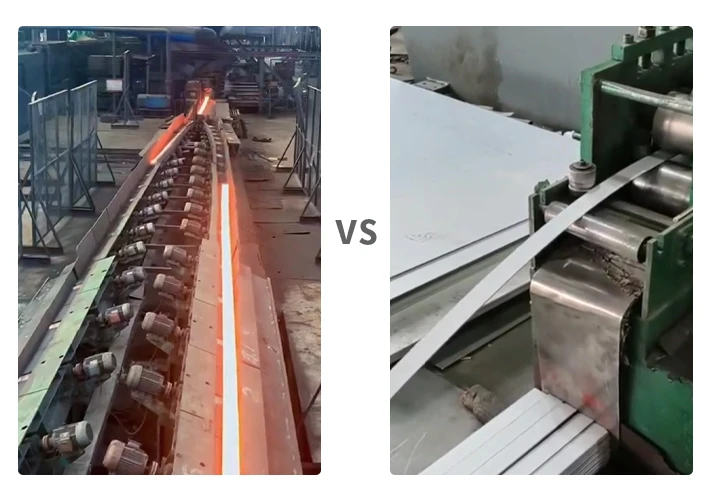
How to Choose a Reliable Flat Bar Steel Supplier in China
Choosing the right material is only part of a successful procurement process. The supplier must also deliver consistent specifications, reliable documentation, suitable packaging, and clear communication.
For international importers and distributors, purchasing from China can provide access to a broad steel supply chain. However, buyers should evaluate each quotation against technical requirements and verify the supplier’s actual production or sourcing capabilities.
RoofGlory is a China-based building materials supplier serving international B2B procurement needs. When sourcing flat bar or coordinating steel products for a broader project, buyers should use a clear evaluation process to ensure that the selected supplier can meet their requirements.
Confirm Material Grade and Applicable Standards
The first step is to identify the exact grade required.
For carbon steel flat bar, specify the applicable standard and grade, such as the relevant structural or general-purpose steel specification required by the project.
For stainless steel flat bar, identify the grade, such as 304 or 316, together with the applicable product standard and required mechanical and chemical properties.
Do not rely on descriptions such as “high-quality steel,” “industrial grade,” or “stainless material” without supporting specifications.
Where required, request a material test certificate showing chemical composition and mechanical properties. Confirm that the document corresponds to the actual supplied batch and the applicable order specification.
Specify Dimensions and Tolerances
A complete inquiry should include:
- Material type and grade.
- Width and thickness.
- Required length or cutting-length range.
- Dimensional tolerances.
- Surface finish and acceptable surface condition.
- Quantity in pieces or metric tons.
- Required testing and inspection documents.
- Packaging and shipping requirements.
- Delivery destination and preferred trade terms.
For large orders, buyers should confirm the measurement units and tolerance requirements before production or dispatch. Small differences in dimensions can affect fabrication efficiency and compatibility with existing components.
If the project requires non-standard dimensions, provide technical drawings and clarify whether cutting or other processing is included.
Evaluate Quality Control and Documentation
Reliable procurement requires more than a competitive quotation.
Buyers should ask how the supplier verifies material grade, dimensions, surface condition, quantity, and packaging. Depending on the order, relevant checks may include dimensional inspection, visual inspection, chemical analysis, mechanical testing, and verification of material certificates.
For stainless steel, grade identification is particularly important because different grades can have similar appearances while offering different corrosion resistance and mechanical properties.
For carbon steel, buyers should confirm the grade and whether the material will be supplied untreated, painted, galvanized, or otherwise protected.
Where third-party inspection is required, define the inspection scope, acceptance criteria, sampling arrangements, and inspection timing before shipment.
Compare Quotations on an Equivalent Basis
When evaluating multiple Chinese suppliers, compare more than the quoted price per ton.
Check whether quotations include the same:
- Material grade and standard.
- Dimensions and tolerances.
- Quantity and order conditions.
- Surface treatment and finishing.
- Inspection and certification requirements.
- Packaging and loading arrangements.
- Shipping terms and delivery schedule.
A lower quotation may exclude protective treatment, special testing, or required processing. Another supplier may offer a higher initial price but provide a more complete specification and clearer quality documentation.
For distributors and wholesalers, also consider batch consistency, repeat-order availability, communication efficiency, and the supplier’s ability to coordinate related products.
Plan Packaging, Loading, and Logistics
Flat bar steel is generally shipped in bundles or other suitable packaging configurations. Packaging should protect the product against movement, handling damage, and avoidable moisture exposure during transportation.
For international orders, confirm bundle weight, labeling, lifting requirements, container-loading arrangements, and the documentation needed for customs clearance.
Carbon steel intended for export may require particular attention to moisture management and protection against corrosion during storage and transit.
Stainless steel products should also be protected against scratching, contamination, and damage to the required surface finish.
Before placing a large order, establish the expected production lead time, dispatch schedule, inspection arrangements, and procedure for handling discrepancies.
For RoofGlory buyers, the most effective procurement process begins with a clear product specification and a detailed quotation request. This allows the supplier to assess the requirements and helps both parties reduce misunderstandings before shipment.
Frequently Asked Questions About Carbon Steel and Stainless Steel Flat Bar
Is Carbon Steel Flat Bar Stronger Than Stainless Steel Flat Bar?
Not necessarily. Strength depends on the specific grade, manufacturing process, heat treatment, and product condition. Some carbon steel grades offer higher strength than certain stainless steel grades, while particular stainless steel grades provide different combinations of strength, ductility, and corrosion resistance.
Buyers should compare certified mechanical properties rather than relying on the material category alone.
Is Stainless Steel Flat Bar Always Better Than Carbon Steel Flat Bar?
No. Stainless steel offers better corrosion resistance in many environments, but it usually costs more. For dry indoor applications, general fabrication, and components that can be protected with paint or galvanizing, carbon steel may provide better value.
Stainless steel is more attractive when corrosion resistance, cleanability, appearance, or lower maintenance requirements are important.
Which Is Better for Outdoor Use?
The answer depends on the local environment and maintenance requirements.
Carbon steel can perform well outdoors with an appropriate coating or galvanizing system. Stainless steel can provide better corrosion resistance in many outdoor environments, but the correct grade must be selected.
Coastal locations, industrial pollution, deicing salts, and chemical exposure require more careful assessment than ordinary sheltered outdoor conditions.
Is 304 Stainless Steel Flat Bar Suitable for Coastal Projects?
Grade 304 may be suitable for some coastal applications with limited salt exposure and appropriate cleaning. However, it is more vulnerable to chloride-related pitting and crevice corrosion than 316 in many comparable environments.
Grade 316 is often considered for coastal installations, but it is not immune to corrosion. Severe exposure conditions may require more specialized materials or protective measures.
Can Carbon Steel Flat Bar Be Galvanized?
Yes. Suitable carbon steel products can be hot-dip galvanized or protected using other coating systems, subject to the steel grade, dimensions, design, and processing requirements.
Buyers should confirm the required coating standard, coating thickness, surface preparation, and inspection criteria before ordering. Not every component design is equally suitable for every galvanizing process.
Does Stainless Steel Flat Bar Rust?
Stainless steel is corrosion-resistant, not completely corrosion-proof. Under unsuitable conditions, it can develop pitting, crevice corrosion, or surface rust staining.
Correct grade selection, appropriate surface treatment, proper cleaning, and prevention of contamination help maintain corrosion resistance.
Which Material Is More Economical for Bulk Purchasing?
Carbon steel flat bar generally has the lower initial purchase price. However, stainless steel may offer better overall value when the application involves frequent washing, corrosive exposure, high maintenance costs, or strict appearance requirements.
For bulk purchasing, compare material price, processing, protective treatment, transportation, expected maintenance, and replacement costs.
What Information Should I Provide When Requesting a Flat Bar Steel Quotation?
A useful inquiry should include the material type, grade, applicable standard, width, thickness, length, quantity, surface finish, tolerances, required certificates, destination port, and delivery terms.
If the material is for a specific project, provide the operating environment and intended application. This information helps the supplier assess whether the requested grade and surface treatment are appropriate.
Can I Purchase Carbon Steel and Stainless Steel Flat Bar from the Same Supplier?
Some steel suppliers can coordinate both product categories, but availability depends on their manufacturing arrangements, sourcing network, specifications, and order quantities.
Buyers should confirm the supplier’s actual capability, product availability, quality-control arrangements, and documentation requirements before combining different products into one order.
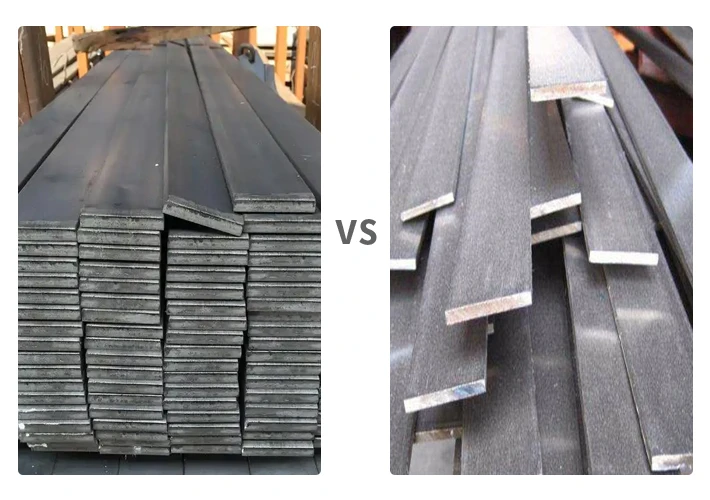
Final Thoughts
Carbon steel flat bar and stainless steel flat bar serve different purchasing needs. Carbon steel is generally the economical choice for structural fabrication, machinery components, and general manufacturing when the selected grade and corrosion-protection system meet the application requirements.
Stainless steel is often the better option for environments where corrosion resistance, appearance, cleanability, or reduced maintenance is particularly important. However, the correct grade must be selected according to the actual operating conditions.
For B2B buyers, the most effective decision combines technical suitability with a realistic assessment of total cost of ownership. Before requesting quotations, establish the required material grade, dimensions, surface condition, quality documentation, and delivery terms.
Looking for a reliable China supplier for your steel and building materials procurement? Contact RoofGlory to discuss your project requirements, product specifications, and sourcing needs. A clear inquiry allows the supply team to evaluate suitable options and provide a quotation based on the products and services available.
RoofGlory — Build With Glory!