Interlocking roofing tiles are roofing materials designed with specially formed edges, grooves, or profiles that allow adjacent tiles to connect or overlap in a controlled pattern. Unlike traditional roofing tiles that mainly rely on simple overlapping and gravity, interlocking roofing systems use mechanical connections between individual tiles to create a more stable and weather-resistant roof covering.
Today, interlocking roofing tiles are widely used in residential houses, commercial buildings, villas, hotels, resorts, agricultural buildings, and other low- to medium-rise construction projects. Their combination of attractive appearance, relatively simple installation, weather resistance, and structural stability has made them an increasingly popular alternative to conventional roofing materials.
For importers, distributors, contractors, and construction material buyers, understanding the structure, benefits, types, applications, and purchasing considerations of interlocking roofing tiles is important when selecting a suitable roofing solution.
As a professional roofing material manufacturer in China, Roofglory supplies roofing products for international B2B markets and supports customers with product customization, specifications, packaging, and export services.
What Are Interlocking Roofing Tiles?
Interlocking roofing tiles are roofing units manufactured with profiles that allow neighboring tiles to fit together. Depending on the design, the connection can occur along the side edges, top and bottom edges, or through a combination of overlapping and interlocking structures.
The main purpose of the interlocking design is to create a continuous roofing surface while reducing the possibility of water entering through the joints. At the same time, the mechanical connection helps keep individual roofing pieces properly positioned during installation and under changing weather conditions.
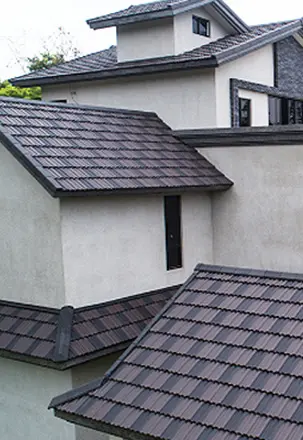
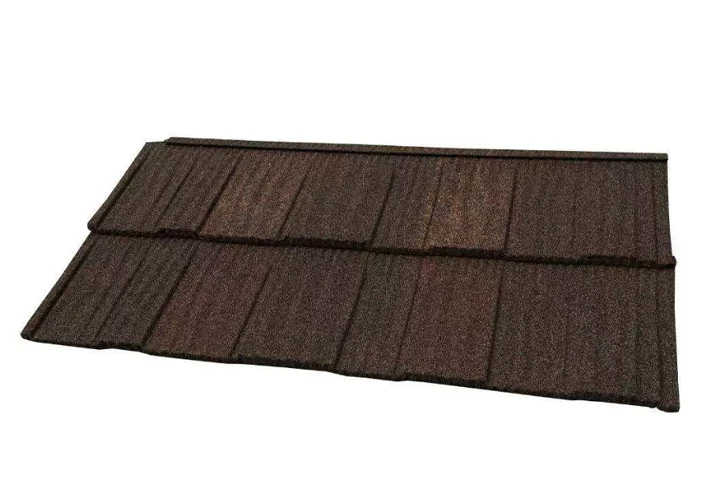
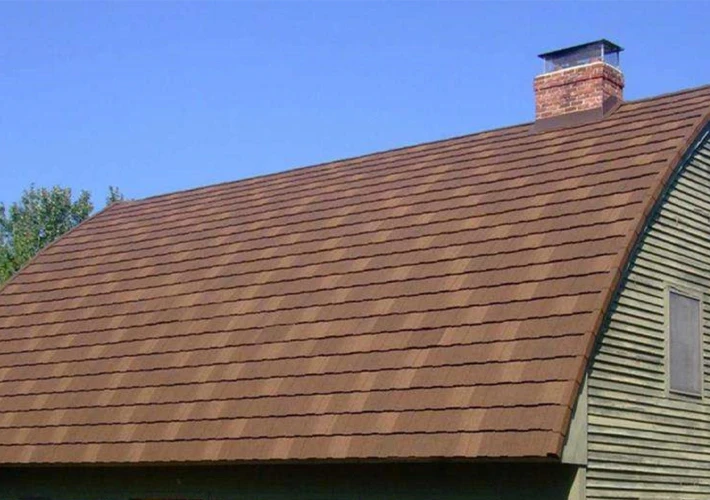
Interlocking roofing tiles can be manufactured from different materials, including concrete, clay, metal, and coated steel. In the international roofing market, metal interlocking roofing tiles are particularly attractive because they combine the visual appearance of traditional tile roofs with the lighter weight and installation advantages of metal roofing.
A typical metal interlocking roofing tile may consist of a steel substrate with protective metallic coatings and a decorative surface coating. Depending on the product design, the surface can imitate clay tiles, stone, shingles, or other architectural roofing styles.
The basic structure generally includes:
- Steel substrate: Provides the structural foundation and mechanical strength.
- Protective coating: Helps improve resistance to corrosion and environmental exposure.
- Decorative coating: Provides color, texture, and the desired architectural appearance.
- Interlocking profile: Allows adjacent roofing pieces to connect or overlap.
- Fastening area: Provides a suitable location for screws or other approved roofing fasteners.
The exact construction depends on the product category and manufacturer. Therefore, buyers should always review the technical specifications before placing bulk orders.
How Do Interlocking Roofing Tiles Work?
The installation principle is relatively straightforward. Roofing tiles are positioned in rows, with each piece overlapping or connecting with neighboring pieces according to the manufacturer’s installation system.
The interlocking structure helps control the direction in which rainwater moves across the roof. Water generally flows from higher sections toward lower sections while the overlapping joints reduce direct exposure of the underlying roof structure.
This design provides several advantages compared with completely flat roofing sheets. It combines the appearance of individual tiles with the efficiency of a continuous roofing system.
However, proper installation remains essential. Roof pitch, underlayment, flashing, fastener placement, overlap, ventilation, and drainage should all be considered during roof construction.
Main Benefits of Interlocking Roofing Tiles
Interlocking roofing tiles have become popular because they provide a balance between appearance, performance, installation efficiency, and long-term value.
1. Strong Weather Resistance
One of the most important advantages of an interlocking roofing system is its ability to manage rainwater effectively.
The overlapping and interlocking structure creates multiple barriers against water penetration. When combined with proper underlayment and flashing, the roofing system can provide reliable protection against rain and other outdoor weather conditions.
For regions that experience seasonal rainfall, tropical storms, or changing weather conditions, selecting an appropriate roofing profile is particularly important.
The performance of the roof will depend on several factors, including material quality, coating system, roof pitch, installation method, and local climate.
2. Attractive Architectural Appearance
Traditional roofing tiles are often selected because of their appearance rather than only their technical performance. Interlocking roofing tiles can provide a similar visual effect while offering the advantages of modern manufacturing.
Depending on the profile and surface finish, interlocking tiles can create appearances inspired by:
- Traditional clay tiles
- Spanish-style roofing
- Stone-coated roofing
- Modern architectural tiles
- Shingle-style roofing
- Classic residential roof profiles
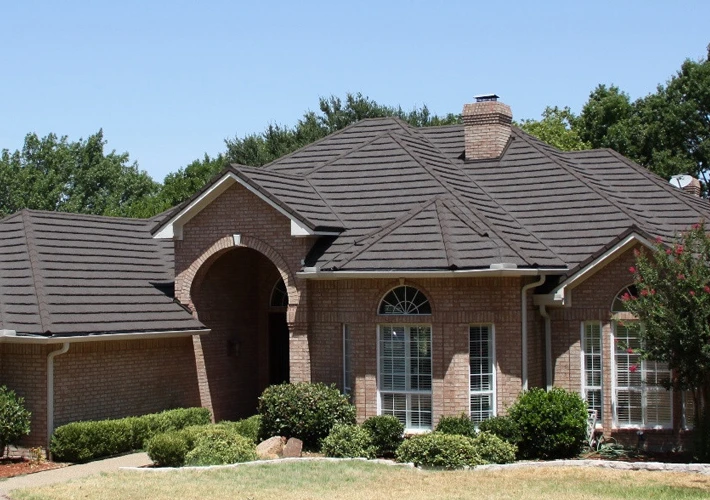
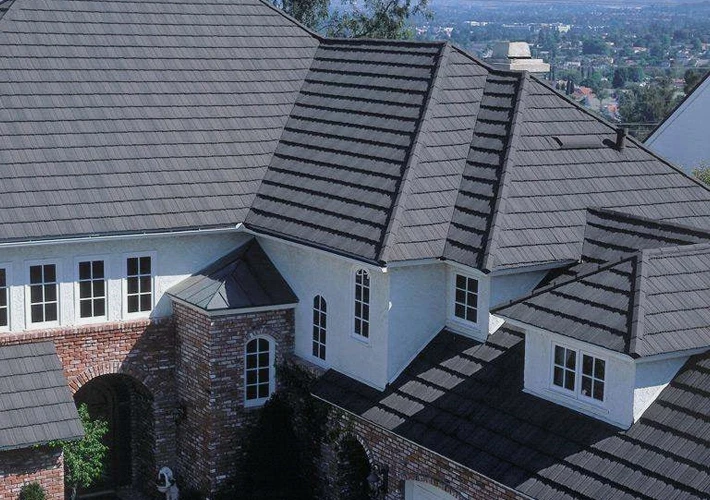
This makes them suitable for residential developments, villas, hotels, resorts, restaurants, and other projects where roof appearance is an important part of the building design.
3. Efficient Installation
Many interlocking roofing tiles are designed to simplify installation by creating a repeatable connection between adjacent units.
Compared with some traditional roofing systems, the installation process can be more systematic. Contractors can follow defined rows and fastening positions, which helps improve consistency across large roofing areas.
For commercial projects and housing developments, installation efficiency can have a direct impact on labor costs and construction schedules.
Nevertheless, contractors should follow the manufacturer’s installation instructions rather than assuming that all interlocking roofing systems use the same method.
4. Lightweight Options
Metal interlocking roofing tiles are generally much lighter than traditional concrete or clay roofing tiles.
A lighter roofing material can reduce the load placed on the building’s supporting structure. It can also make transportation, handling, and installation easier.
This is particularly useful for:
- Residential construction
- Renovation projects
- Villas
- Modular buildings
- Lightweight structures
- Projects where structural load must be carefully controlled
The actual weight varies significantly between products, so buyers should compare the manufacturer’s stated weight per square meter or per piece.
5. Corrosion Protection
For metal interlocking roofing tiles, corrosion resistance is strongly influenced by the steel substrate and coating system.
Galvanized steel, aluminum-zinc coated steel, and other treated steel substrates can provide protection against environmental exposure. Additional surface coatings can improve resistance to moisture, UV exposure, and general weathering.
For buyers in coastal or high-humidity regions, coating specifications should be carefully evaluated before selecting a roofing product.
6. Long-Term Cost Efficiency
Roofing material cost is only one part of the total roofing budget.
Buyers should also consider transportation, labor, installation time, maintenance requirements, replacement frequency, and expected service life.
A roofing product that has a slightly higher purchase price may still provide better overall value if it reduces installation complexity and maintenance requirements.
For B2B buyers, total project cost is therefore more useful than simply comparing the price per piece.
7. Design and Color Flexibility
Modern roofing manufacturers can offer interlocking roofing tiles in different colors, textures, dimensions, and profiles.
Popular color options may include:
- Black
- Gray
- Brown
- Red
- Green
- Blue
- Terracotta
- Customized colors
For distributors and project developers, color customization can also help create differentiated product lines for different markets.
Types of Interlocking Roofing Tiles
There is no single universal type of interlocking roofing tile. Products can be classified according to material, surface finish, profile, and manufacturing structure.
Metal Interlocking Roofing Tiles
Metal interlocking roofing tiles are among the most practical choices for large-scale construction and export markets.
They are usually produced from coated steel and formed into tile-shaped profiles. Their lightweight structure and relatively high strength make them suitable for many residential and commercial applications.
Metal tiles are also easier to transport in large quantities compared with heavier traditional roofing materials.
Stone-Coated Interlocking Roofing Tiles
Stone-coated roofing tiles combine a shaped metal substrate with a granular stone surface.
The stone coating provides a textured appearance and can improve the visual similarity to traditional roofing materials. These products are widely used for villas, residential buildings, resorts, hotels, and premium housing projects.
The coating system typically includes multiple layers designed to protect the steel substrate and provide the desired surface finish.
For buyers, coating adhesion, substrate thickness, corrosion protection, color stability, and production consistency should be evaluated before purchasing.
Concrete Interlocking Roofing Tiles
Concrete interlocking tiles are produced from cement-based mixtures and formed into specific profiles.
They are known for their strength and durability, but they are significantly heavier than many metal roofing alternatives. Their weight means the building structure must be designed to accommodate the roofing load.
Concrete tiles are commonly used in residential construction where their traditional appearance and substantial feel are desired.
Clay Interlocking Roofing Tiles
Clay interlocking tiles are manufactured from natural clay and fired at high temperatures.
They can provide excellent architectural appeal and are particularly popular in traditional and Mediterranean-style buildings. However, they are relatively heavy and may be more vulnerable to cracking during transportation or impact compared with some metal roofing alternatives.
Profile-Based Interlocking Tiles
Interlocking roofing tiles can also be categorized by their profile design.
Some have a classic curved appearance, while others have flat, angular, or modern profiles. The choice depends on the desired architectural appearance, roof pitch, local climate, and installation requirements.
For export projects, manufacturers should provide accurate profile drawings and dimensions so distributors and contractors can evaluate compatibility with their existing roofing systems.
Where Are Interlocking Roofing Tiles Used?
Interlocking roofing tiles are versatile enough for many construction applications.
Residential Buildings
Residential construction remains one of the largest application areas.
They can be used for:
- Detached houses
- Villas
- Townhouses
- Apartment buildings
- Housing developments
- Rural homes
- Renovation projects
The combination of attractive appearance and weather protection makes them suitable for both new construction and roof replacement.
Commercial Buildings
Commercial properties can also use interlocking roofing systems when architectural appearance and practical performance are both important.
Typical applications include:
- Restaurants
- Retail buildings
- Office buildings
- Small commercial facilities
- Shopping areas
- Community buildings
The appropriate roofing material depends on structural requirements and local building regulations.
Hotels and Resorts
Hotels and resorts often use decorative roofing materials to create a particular architectural identity.
Interlocking roofing tiles can be used for guest buildings, villas, restaurants, reception buildings, and recreational facilities.
Stone-coated and decorative metal tile profiles are especially useful where designers want a traditional roof appearance without using extremely heavy roofing materials.
Agricultural and Rural Buildings
Depending on the product specification, interlocking metal roofing systems can also be used for agricultural structures, storage buildings, workshops, and rural properties.
For these applications, buyers often focus on durability, installation speed, transportation cost, and resistance to outdoor conditions.
Renovation and Roof Replacement
Interlocking roofing tiles can also be considered for roof renovation projects.
When replacing an existing roof, contractors should first inspect the structural condition of the roof frame and determine whether the new roofing material is compatible with the existing structure.
A lightweight metal system can sometimes be advantageous for renovation because it can reduce the additional structural load compared with heavier roofing materials.
Interlocking Roofing Tiles vs. Traditional Roofing Materials
Choosing the right roofing material requires comparing the entire roofing system rather than looking at only one specification.
| Feature | Interlocking Metal Tiles | Clay/Concrete Tiles | Traditional Metal Sheets |
|---|---|---|---|
| Weight | Generally lightweight | Relatively heavy | Lightweight |
| Appearance | Tile-like and customizable | Traditional | Modern/industrial |
| Installation | Systematic and efficient | More labor-intensive | Generally fast |
| Weather Protection | Good when properly installed | Good | Good when properly detailed |
| Design Options | High | Moderate | High |
| Transportation | Relatively efficient | More demanding | Efficient |
| Structural Load | Lower for many metal products | Higher | Lower |
| Typical Applications | Residential, villas, hotels, commercial | Residential, traditional buildings | Industrial, commercial, residential |
The best choice depends on the building structure, climate, budget, design requirements, local regulations, and expected service conditions.
For many international projects, interlocking metal roofing tiles provide a useful middle ground between the traditional appearance of tiles and the practical advantages of modern metal roofing.
How to Choose the Right Interlocking Roofing Tiles
Selecting an interlocking roofing tile requires more than choosing a color or profile. B2B buyers should evaluate the complete technical specification.
Check the Base Material
For metal roofing products, the substrate has a direct influence on strength and corrosion resistance.
Ask the supplier about:
- Steel grade
- Base metal thickness
- Coating type
- Coating thickness
- Surface treatment
- Product weight
These details help buyers compare products accurately.
Evaluate the Coating System
The coating system is particularly important for outdoor roofing.
A good roofing product should have a coating system appropriate for the intended environment. Buyers should consider UV exposure, humidity, rainfall, temperature variation, and coastal conditions.
It is also useful to request relevant quality-control documentation and test reports when required by the project.
Consider Roof Pitch
Different interlocking roofing systems may have different minimum recommended roof pitches.
A roof with insufficient slope may have poor drainage and a higher risk of water accumulation. Therefore, the manufacturer’s installation requirements should be checked before selecting the product.
Confirm Dimensions and Coverage
When importing roofing materials, buyers should distinguish between the overall dimensions and effective coverage area.
The effective coverage depends on overlap and installation method. A product with a larger nominal size does not necessarily cover the same area as another product with the same dimensions.
Suppliers should provide accurate technical drawings and coverage information.
Check Packaging
Export packaging is another important consideration.
Roofing tiles should be packaged in a way that minimizes movement, scratching, deformation, and moisture exposure during transportation.
For container shipments, buyers should also consider loading efficiency. A supplier experienced in international exports can help optimize packaging and container utilization.
Ask About Customization
Distributors and wholesalers may require customized colors, dimensions, packaging, labels, or product profiles.
Before ordering, confirm:
- MOQ
- Production lead time
- Color options
- OEM availability
- Packaging requirements
- Private labeling
- Quality inspection
- Shipping terms
Working directly with a factory can make customization and quality communication more efficient.
Why Choose Roofglory as an Interlocking Roofing Tile Supplier?
For international B2B buyers, choosing the right supplier is just as important as choosing the right roofing material.
Roofglory is a China-based roofing material supplier focused on international markets. Our product portfolio covers roofing and building material solutions for importers, wholesalers, distributors, contractors, and construction projects.
As a factory-oriented supplier, Roofglory focuses on consistent product specifications, export packaging, quality control, and customer support.
Our supply capabilities can support buyers looking for:
- Interlocking roofing tiles
- Stone-coated roofing tiles
- Corrugated roofing sheets
- Galvanized steel roofing products
- PPGI and PPGL products
- Galvanized steel coils
- Other metal building materials
For overseas distributors, stable specifications and reliable supply are particularly important. A consistent supplier can help maintain product quality across repeated orders and reduce the risk of specification differences between batches.
Roofglory can also support B2B customers with product selection, customized requirements, packaging solutions, and international shipping arrangements.
If you are developing a roofing product line for your local market, working directly with a Chinese manufacturer can also provide greater flexibility in MOQ, product specifications, packaging, and OEM requirements.
Conclusion
Interlocking roofing tiles are roofing products designed to connect or overlap through specially formed profiles, creating a stable and effective roofing system. They are available in different materials and designs, including metal, stone-coated metal, concrete, and clay.
Their main advantages include attractive appearance, efficient installation, lightweight options, weather protection, design flexibility, and potential long-term cost efficiency.
They can be used for residential houses, villas, hotels, resorts, commercial buildings, agricultural structures, and roof renovation projects.
For B2B buyers, the most important factors are not simply appearance and price. Substrate material, coating system, thickness, effective coverage, roof pitch requirements, packaging, quality control, customization capability, and supplier reliability should all be considered.
If you are looking for interlocking roofing tiles from a China factory, Roofglory can provide roofing products for wholesale, distribution, construction, and OEM projects. Contact Roofglory to discuss your required profile, specifications, colors, packaging, MOQ, and export requirements.