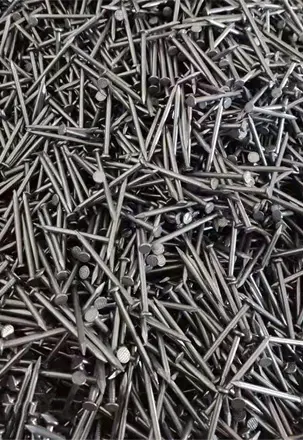
Galvanized nails are widely used in construction, roofing, woodworking, fencing, pallets, outdoor structures, and many other applications where reliable fastening and corrosion resistance are important. Compared with ordinary uncoated steel nails, galvanized nails have a protective zinc coating that helps reduce rust and extends the service life of the fastener.
For contractors, distributors, wholesalers, and importers, choosing the right type of nail is not only about price. Nail material, coating method, coating thickness, dimensions, head design, shank type, packaging, and consistency all affect installation performance and long-term durability.
For buyers sourcing nails from China, galvanized nails are particularly attractive because they offer a practical balance between cost, strength, corrosion resistance, and availability in different specifications.
As a professional Chinese manufacturer and supplier, Roofglory provides galvanized nails and other construction fasteners for international B2B customers. This article explains the major advantages of galvanized nails, where they are used, how they compare with ordinary nails, and what buyers should check when selecting a galvanized nail supplier.
What Are Galvanized Nails?
Galvanized nails are steel nails covered with a layer of zinc to improve their resistance to corrosion. The zinc coating acts as a protective barrier between the steel substrate and environmental elements such as moisture and oxygen.
There are two common approaches to galvanizing nails: electro-galvanizing and hot-dip galvanizing. The choice between them depends on the required corrosion resistance, application environment, appearance, coating requirements, and purchasing budget.
Electro-galvanized nails generally have a relatively smooth and uniform surface and are suitable for many indoor and light-duty applications. Hot-dip galvanized nails typically receive a thicker zinc coating and are better suited to outdoor or more demanding environments where moisture exposure is expected.
The basic structure of a galvanized nail includes a steel body and zinc coating. The steel provides mechanical strength, while the zinc coating provides additional protection against corrosion.
Galvanized nails are available in many configurations, including:
- Common galvanized nails
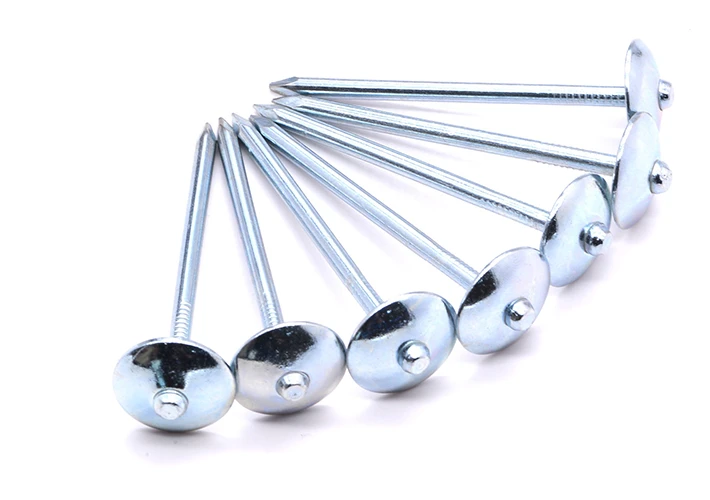
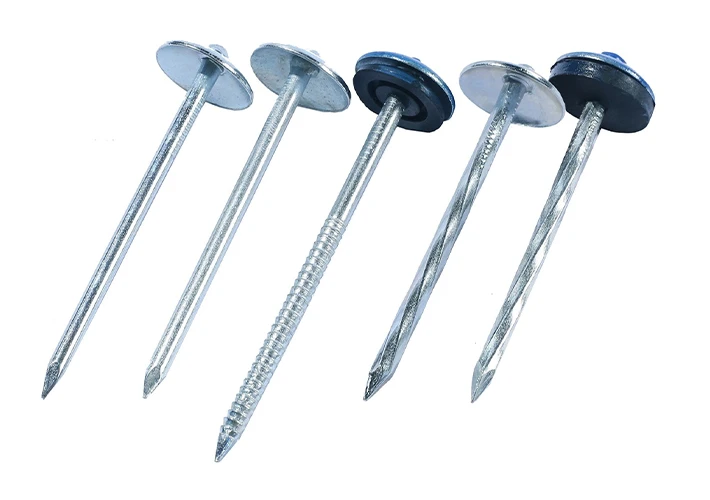
- Roofing nails
- Galvanized concrete nails
- Galvanized wire nails
- Galvanized finishing nails
- Galvanized framing nails
- Galvanized coil nails
- Galvanized fencing nails
- Galvanized specialty nails
Different projects require different nail dimensions and designs. Nail diameter, length, head diameter, shank configuration, point style, and coating specification should therefore be selected according to the application.
For B2B buyers, this flexibility is one of the most important advantages of working directly with a professional nail manufacturer.
What Are the Main Advantages of Galvanized Nails?
The popularity of galvanized nails comes from several practical advantages. They are not simply steel nails with a different appearance; the zinc coating can significantly improve their performance in environments where corrosion is a concern.
1. Excellent Corrosion Resistance
The most important advantage of galvanized nails is improved corrosion resistance.
Bare steel naturally reacts with oxygen and moisture, which can eventually lead to rust. Once rust develops, the nail may lose part of its structural integrity and create staining around the fastening point.
The zinc coating provides a protective layer around the steel. It helps prevent moisture and oxygen from reaching the underlying steel and therefore slows down the corrosion process.
This makes galvanized nails a practical choice for:
- Outdoor construction
- Roofing projects
- Fencing
- Wooden structures
- Agricultural buildings
- Exterior cladding
- Pallets and packaging
- Garden structures
- Coastal or humid environments, depending on the coating specification
The actual corrosion resistance depends on factors such as galvanizing method, zinc coating thickness, environmental conditions, and installation quality. Therefore, buyers should not assume that every galvanized nail provides the same level of protection.
2. Longer Service Life
Because galvanized nails resist corrosion better than untreated steel nails, they can remain functional for a longer period in suitable environments.
This is especially valuable in applications where replacing fasteners is difficult or expensive. For example, if nails are installed in an exterior wooden structure, replacing them may require partial disassembly of the structure.
Using an appropriate galvanized nail from the beginning can help reduce maintenance requirements and improve the expected service life of the fastening system.
For contractors and project developers, this can translate into lower long-term maintenance costs.
3. Good Balance Between Cost and Performance
One reason galvanized nails are widely used is their favorable cost-performance ratio.
Stainless steel nails can provide excellent corrosion resistance, but they are generally more expensive. Ordinary carbon steel nails may be cheaper, but they offer limited corrosion protection.
Galvanized nails occupy a useful middle position.
For many construction and outdoor applications, they provide sufficient corrosion resistance without the significantly higher material cost associated with stainless steel.
This is particularly important for large-volume B2B projects. When a construction project requires tens of thousands or even millions of nails, a small difference in unit price can have a meaningful impact on total procurement costs.
Chinese manufacturers can also provide galvanized nails in bulk quantities, allowing importers and distributors to optimize their purchasing costs.
4. Suitable for Outdoor Construction
Outdoor construction exposes fasteners to rain, humidity, temperature changes, and other environmental conditions.
Galvanized nails are commonly selected for these applications because their zinc coating provides additional protection compared with untreated steel nails.
Typical outdoor uses include:
- Roof structures
- Wooden fences
- Decking-related construction
- Garden buildings
- Timber framing
- Agricultural structures
- Exterior woodwork
- Outdoor storage structures
However, buyers should match the coating and nail specification to the actual environment. Extremely aggressive environments may require specialized corrosion-resistant fasteners rather than standard galvanized nails.
5. Strong and Reliable Steel Core
The zinc coating protects the nail, but the steel core provides the primary mechanical strength.
A properly manufactured galvanized nail can offer reliable resistance to driving forces and fastening loads while maintaining the advantages of a corrosion-resistant surface.
The performance of a nail depends on several factors, including:
- Steel grade
- Wire diameter
- Nail length
- Heat treatment, where applicable
- Shank design
- Point design
- Head configuration
- Manufacturing consistency
For professional projects, buyers should therefore evaluate the complete product specification rather than focusing only on whether a nail is labeled “galvanized.”
6. Better Appearance Than Rusted Steel Nails
Appearance may not be the most important factor in structural applications, but it can matter in visible woodworking, packaging, fencing, and decorative construction.
The zinc coating generally gives galvanized nails a clean metallic appearance and helps prevent the reddish-brown staining associated with rust.
This is particularly useful when nails are used with light-colored wood or other visible materials where corrosion marks could negatively affect the final appearance.
7. Wide Range of Sizes and Designs
Galvanized nails can be manufactured in many different dimensions and configurations.
For example, buyers can specify:
- Nail length
- Nail diameter
- Head diameter
- Shank type
- Point type
- Zinc coating
- Surface finish
- Packaging
- Quantity per box
- Quantity per carton
This makes galvanized nails suitable for a wide range of applications.
A professional manufacturer can also help buyers select the appropriate nail specification based on the intended application, material thickness, installation method, and target market.
Galvanized Nails vs. Ordinary Steel Nails
One of the most common questions from buyers is whether galvanized nails are actually better than ordinary steel nails.
The answer depends on the application, but galvanized nails have a clear advantage when corrosion resistance is important.
| Feature | Galvanized Nails | Ordinary Steel Nails |
|---|---|---|
| Corrosion resistance | High compared with uncoated steel | Limited |
| Outdoor suitability | Good for suitable environments | Generally limited |
| Service life | Usually longer in humid conditions | Shorter when exposed to moisture |
| Appearance | Zinc-coated metallic surface | Bare steel |
| Cost | Moderate | Lower |
| Maintenance requirements | Generally lower | Potentially higher |
| Application range | Indoor and many outdoor applications | Mainly dry or protected applications |
Ordinary steel nails can still be appropriate for certain indoor applications where moisture is controlled and corrosion is unlikely.
However, for outdoor construction, roofing, fencing, and humid environments, galvanized nails are often a safer choice.
The additional cost of galvanizing may be relatively small compared with the potential cost of premature corrosion, repairs, or replacement.
What Applications Use Galvanized Nails?
Galvanized nails are used across numerous industries because they combine mechanical fastening performance with corrosion protection.
Roofing
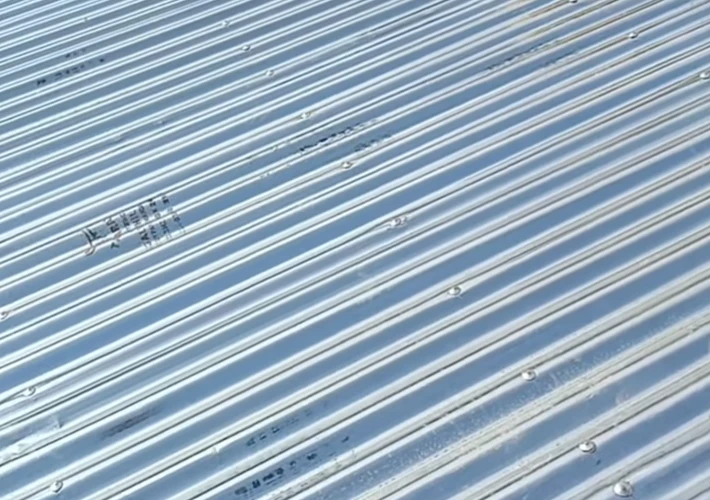
Roofing is one of the most important applications for galvanized nails. Roofing fasteners may be exposed to rain, humidity, condensation, and temperature fluctuations.
The appropriate roofing nail may include a larger head, specialized shank, or sealing washer depending on the roofing system.
Roofing nail specifications should always match the roofing material and installation requirements.
Woodworking and Timber Construction
Galvanized nails are widely used for wood structures because timber can retain moisture and may be exposed to changing humidity.
They can be used in:
- Wooden framing
- Fences
- Garden structures
- Outdoor furniture construction
- Pallets
- Crates
- General carpentry
Fencing
Fence construction is another major application.
Fence posts, wooden rails, wire mesh, and other components may remain outdoors for many years. Using corrosion-resistant nails helps maintain the integrity of the fastening points.
For wire fencing, specialized galvanized fencing staples or nails may be more suitable than standard smooth nails.
Pallets and Packaging
Galvanized nails can also be used in certain pallet and wooden packaging applications.
Because pallets may be stored in warehouses, transported outdoors, or exposed to changing humidity during international shipping, corrosion resistance can be beneficial.
The correct nail type depends on pallet design, wood thickness, production equipment, and required holding strength.
Agricultural and Farm Structures
Agricultural buildings and outdoor structures often experience humid environments. Galvanized nails are commonly considered for barns, sheds, fencing, animal housing structures, and other applications where moisture exposure is possible.
For demanding agricultural environments, buyers should pay particular attention to coating specifications and corrosion resistance requirements.
How to Choose the Right Galvanized Nails for Your Project
Selecting galvanized nails should involve more than simply choosing the lowest price. For B2B purchasing, several technical and commercial factors should be evaluated.
Nail Length and Diameter
The nail must be long enough to provide sufficient penetration without unnecessarily increasing installation difficulty.
The diameter also affects holding strength and driving performance.
For example, heavier timber structures may require larger-diameter nails, while finishing applications may require smaller nails.
Galvanizing Method
Buyers should ask suppliers whether the nails are electro-galvanized or hot-dip galvanized.
Electro-galvanized nails can be appropriate for applications requiring a relatively smooth finish and moderate corrosion resistance.
Hot-dip galvanized nails generally provide stronger corrosion protection because of their thicker zinc coating and are often preferred for demanding outdoor applications.
The correct choice depends on the project requirements.
Zinc Coating Thickness
Not all galvanized nails have the same zinc coating.
When purchasing large quantities, buyers should request technical specifications related to zinc coating requirements. This is especially important for projects exposed to continuous humidity or outdoor conditions.
Shank Type
The nail shank affects holding power and installation characteristics.
Common designs include:
- Smooth shank
- Ring shank
- Screw shank
- Fluted or specialty shank
Smooth shank nails are widely used for general applications. Ring shank and other deformed shanks can provide higher withdrawal resistance in suitable materials.
Nail Head Design
The head diameter and shape influence surface holding power and the ability to distribute load around the fastening point.
Roofing nails, for example, often use larger heads to secure roofing materials more effectively.
Packaging Requirements
For importers and distributors, packaging is also important.
Galvanized nails can be supplied in:
- Small boxes
- Plastic bags
- Bulk cartons
- Pallets
- Private-label packaging
- Retail-ready packaging
If you are importing galvanized nails for distribution, customized packaging can help create a consistent product line under your own brand.
Why Buy Galvanized Nails from a Chinese Manufacturer?
China has a large and mature manufacturing industry for construction fasteners. For international buyers, sourcing directly from a Chinese manufacturer can provide several advantages.
Competitive Factory Pricing
Large-scale production can help reduce manufacturing costs, especially for high-volume orders.
Direct factory purchasing may also reduce the number of intermediaries in the supply chain.
For wholesalers and distributors, this can create more flexibility in setting their target margins.
OEM and ODM Support
Different markets may require different packaging, dimensions, surface treatments, labels, and specifications.
A professional Chinese manufacturer can often provide OEM services, including:
- Customized packaging
- Brand printing
- Carton design
- Product labeling
- Customized dimensions
- Bulk packaging
- Private-label orders
This is useful for importers that want to develop their own fastener brand.
Stable Bulk Supply
For distributors, consistency of supply is critical.
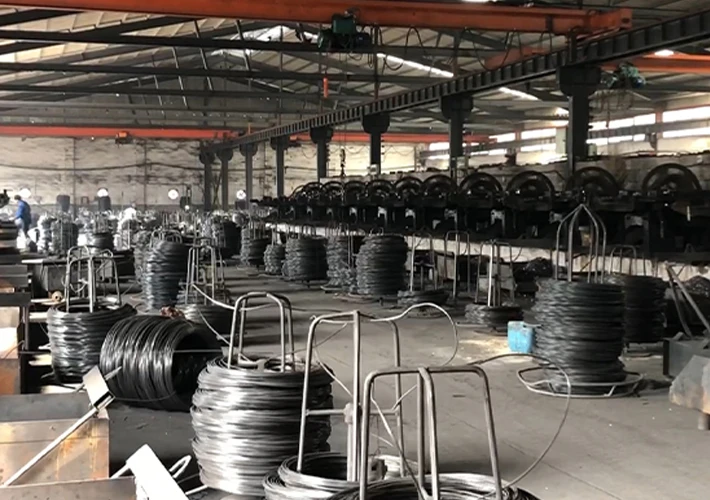
A qualified factory should have reliable raw material sourcing, production capacity, quality inspection, packaging capability, and export experience.
This becomes particularly important when buyers place repeat orders.
Export Experience
International shipments require more than manufacturing capability.
Experienced suppliers understand export packaging, container loading, shipping documents, labeling, and international logistics.
Roofglory focuses on B2B customers looking for reliable construction material and fastener supply from China.
Quality Control When Purchasing Galvanized Nails
Quality control is essential when purchasing galvanized nails in bulk.
Buyers should evaluate several aspects before placing a large order.
First, inspect the nail dimensions. Length, diameter, head diameter, and other specifications should remain consistent between batches.
Second, check the zinc coating. The coating should be reasonably uniform and free from significant bare areas, excessive defects, or other problems that could compromise corrosion protection.
Third, evaluate the mechanical performance. Nails should have sufficient hardness and strength for their intended application without becoming excessively brittle.
Fourth, inspect packaging. Bulk nails should be securely packed to minimize damage, contamination, and moisture exposure during transportation.
For importers, requesting samples before mass production is a practical way to evaluate product quality.
A professional supplier should also be able to provide relevant product specifications and inspection information according to the customer’s requirements.
Why Choose Roofglory for Galvanized Nails?
Roofglory is a China-based supplier focused on construction materials and metal products for international B2B customers.
Our galvanized nails are designed for wholesalers, distributors, importers, contractors, and construction material buyers looking for competitive products from China.
We understand that professional buyers need more than a product quotation. They need consistent specifications, reliable production, appropriate packaging, competitive pricing, and dependable export service.
Roofglory can support customers with different galvanized nail requirements, including product specifications, packaging solutions, bulk orders, and OEM/private-label requirements where applicable.
Our goal is to provide a practical one-stop sourcing solution for customers purchasing construction fasteners and related building materials from China.
When evaluating a supplier, buyers should consider:
- Factory production capability
- Product consistency
- Galvanizing quality
- Available sizes
- Packaging options
- OEM capability
- Quality inspection
- Production lead time
- Export experience
- Container loading efficiency
- After-sales communication
Choosing a supplier based on the complete supply chain rather than the lowest unit price can help reduce procurement risks and improve long-term purchasing efficiency.
Conclusion: Are Galvanized Nails a Good Choice?
Galvanized nails are an excellent choice for many construction and outdoor fastening applications because they combine the mechanical strength of steel with the additional corrosion protection provided by zinc.
Their major advantages include better corrosion resistance, longer service life, outdoor suitability, competitive cost, reliable fastening performance, improved appearance, and a wide range of available specifications.
Compared with ordinary uncoated steel nails, galvanized nails are particularly valuable in environments where moisture and humidity could cause premature rusting.
For importers and distributors, the key is to select the right nail specification rather than treating all galvanized nails as the same product. Galvanizing method, zinc coating, nail dimensions, shank design, head configuration, packaging, and application requirements should all be considered.
If you are sourcing galvanized nails from China, working directly with an experienced manufacturer can also provide advantages in pricing, customization, bulk supply, quality control, and export logistics.
Roofglory supplies galvanized nails and other construction fasteners for global B2B customers. Whether you are a wholesaler, distributor, contractor, or importer, we can help you evaluate suitable specifications and develop a purchasing solution based on your market and application requirements.
Contact Roofglory today to discuss your galvanized nail requirements, request product specifications, and get a factory quotation from China.