For large construction projects, accurately calculating the cost of color steel sheets is essential for budget control, procurement planning, and project profitability. Whether you are a construction contractor, steel distributor, warehouse builder, or international importer, understanding how to calculate color steel sheet cost can help you avoid unexpected expenses and select the most suitable supplier.
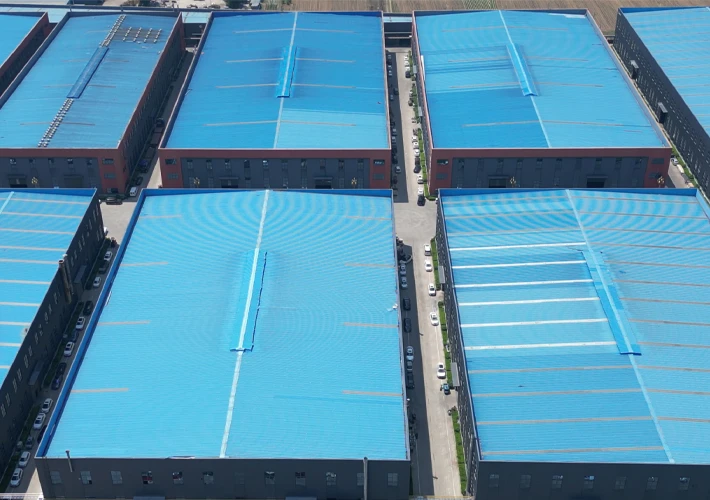
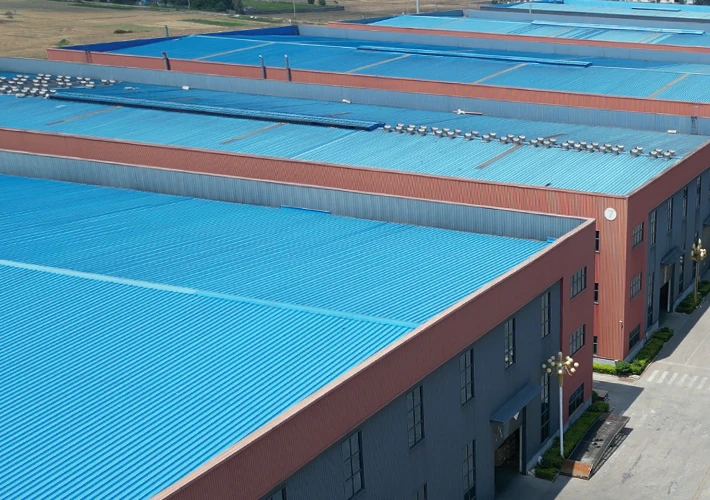
Color steel sheets are widely used in industrial buildings, warehouses, commercial facilities, agricultural structures, prefabricated buildings, and roofing systems due to their lightweight structure, corrosion resistance, attractive appearance, and easy installation.
However, the total project cost is not determined only by the price per ton or per square meter. Factors such as sheet thickness, coating type, raw material prices, required quantity, transportation costs, accessories, and installation requirements all influence the final budget.
As a professional color steel sheet manufacturer in China, Roofglory provides factory-direct color coated steel sheets with customized specifications, competitive pricing, and export support for global construction projects.
This guide explains how to calculate color steel sheet costs step by step and what factors international buyers should consider before placing bulk orders.
Understanding the Basic Pricing Structure of Color Steel Sheets
Before calculating the total cost, buyers need to understand how suppliers usually quote color steel sheets.
Color steel sheet prices are generally calculated in three common ways:
1. Price Per Ton
The most common pricing method in international steel trading is based on weight.
Example:
- Color steel sheet price: USD 850/ton
- Required quantity: 100 tons
Material cost:
100 tons × USD 850 = USD 85,000
This pricing method is widely used because steel products are mainly affected by raw material prices, especially galvanized steel or galvalume steel coil prices.
2. Price Per Square Meter
For construction projects, some buyers prefer calculating costs based on area.
Example:
- Sheet price: USD 8/m²
- Required roofing area: 10,000 m²
Material cost:
10,000 m² × USD 8 = USD 80,000
This method makes project budgeting easier because construction drawings are usually based on square meters.
3. Price Per Sheet
For small projects or local purchasing, suppliers may quote by piece.
Example:
- One sheet size: 0.8mm × 1000mm × 6000mm
- Price per sheet: USD 45
- Quantity required: 2,000 sheets
Total:
2,000 × USD 45 = USD 90,000
For large international construction projects, price per ton or square meter is usually more practical.
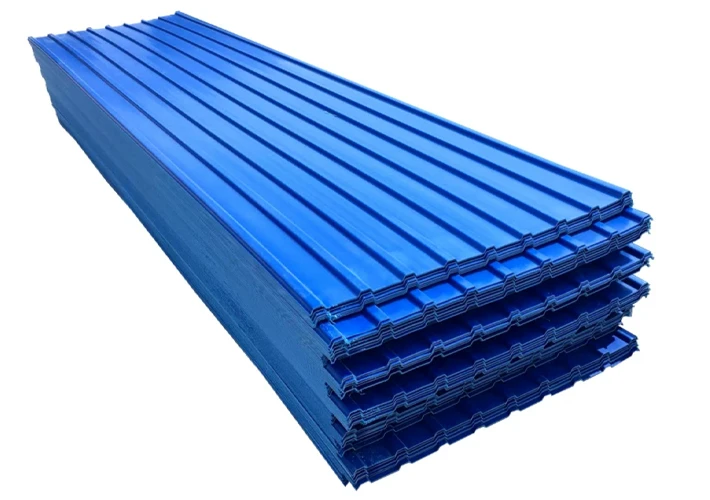
Step 1: Calculate the Required Quantity of Color Steel Sheets
The first step is determining how many color steel sheets your project needs.
The calculation depends on the total installation area and the effective coverage area of each sheet.
Basic Formula:
Required Quantity = Total Construction Area ÷ Effective Sheet Coverage Area
For example:
A warehouse roof requires:
- Total roof area: 20,000 m²
- Effective coverage width of sheet: 1 meter
- Sheet length: 6 meters
Coverage per sheet:
1m × 6m = 6m²
Required sheets:
20,000 ÷ 6 = 3,333 sheets
However, large projects should always consider additional material waste.
Consider Overlapping and Cutting Loss
During installation, color steel sheets require overlap between panels to prevent water leakage.
Common overlap requirements:
- Side overlap: 1–2 corrugations
- End overlap: 100–200mm depending on design
- Cutting waste: usually 3%–8%
Therefore, buyers should add extra quantity:
Example:
Required sheets:
3,333 pieces
Waste allowance:
5%
Additional sheets:
3,333 × 5% = 167 pieces
Final order quantity:
3,333 + 167 = 3,500 sheets
Accurate quantity calculation prevents project delays caused by material shortages.
Step 2: Calculate Material Cost Based on Steel Specifications
The specification of color steel sheets directly affects the final price.
Important factors include:
- Thickness
- Width
- Length
- Steel grade
- Coating type
- Surface treatment
1. Thickness Influence
Thickness is one of the biggest factors affecting cost.
Common thickness options:
| Thickness | Application |
|---|---|
| 0.25mm–0.35mm | Temporary buildings, low-cost projects |
| 0.40mm–0.50mm | Standard industrial buildings |
| 0.55mm–0.75mm | Heavy-duty warehouses and commercial buildings |
| 0.80mm+ | Special engineering projects |
A thicker steel sheet means:
- Higher raw material consumption
- Better strength
- Longer service life
- Higher project cost
For large construction projects, buyers should balance initial cost and long-term performance.
2. Coating Type and Coating Weight
Color steel sheets are usually manufactured from:
- Galvanized steel (GI)
- Galvalume steel (GL)
- Aluzinc coated steel
- Pre-painted galvanized steel (PPGI)
- Pre-painted galvalume steel (PPGL)
The coating layer improves corrosion resistance.
Common coating specifications:
- Z40–Z275 galvanized coating
- AZ40–AZ150 galvalume coating
Higher coating weight usually increases:
- Corrosion resistance
- Product lifespan
- Material cost
For coastal areas or high-humidity environments, higher coating grades are usually recommended.
Step 3: Calculate Steel Sheet Weight and Total Material Cost
For bulk construction projects, calculating weight is very important because steel suppliers normally quote by ton.
The approximate weight formula is:
Weight (kg) = Thickness (mm) × Width (m) × Length (m) × 7.85
Example:
A color steel sheet:
- Thickness: 0.5mm
- Width: 1m
- Length: 6m
Weight:
0.5 × 1 × 6 × 7.85
= 23.55kg per sheet
If the project requires:
5,000 sheets
Total weight:
5,000 × 23.55kg
=117,750kg
=117.75 tons
If the supplier price is:
USD 900/ton
Material cost:
117.75 × 900
= USD 105,975
This calculation helps buyers compare different supplier quotations accurately.
Step 4: Add Additional Costs Besides Steel Sheet Price
Many buyers only compare the steel sheet price but ignore other project costs.
The total project cost usually includes:
1. Transportation Cost
Transportation depends on:
- Factory location
- Destination port
- Container size
- Shipping distance
- Freight market conditions
For international buyers, common trade terms include:
- EXW
- FOB
- CFR
- CIF
For example:
FOB price includes:
- Product manufacturing cost
- Factory handling
- Inland transportation to port
- Export procedures
CIF price includes:
- Product cost
- Ocean freight
- Insurance
2. Packaging Cost
Large projects require proper packaging to prevent damage.
Common export packaging:
- Waterproof paper
- Steel straps
- Protective film
- Wooden pallets (optional)
Packaging costs depend on:
- Order quantity
- Shipping method
- Destination requirements
Professional manufacturers provide export-standard packaging to reduce damage during transportation.
3. Installation Accessories
Color steel sheet projects usually require additional materials:
- Ridge caps
- Flashing
- Screws
- Sealants
- Insulation materials
- Gutters
These accessories may account for 5%–15% of the total roofing system cost.
A complete quotation should include all necessary components.
Step 5: Estimate Installation and Labor Costs
The final construction budget should also include installation expenses.
Installation costs depend on:
- Building height
- Roof structure
- Labor rates
- Project complexity
- Equipment requirements
Typical installation factors include:
Simple Warehouse Roof
Lower labor cost because:
- Large flat area
- Easy access
- Standard installation
Complex Commercial Buildings
Higher labor cost because:
- Special designs
- More cutting
- Additional waterproofing requirements
For international projects, buyers should estimate installation separately because labor costs vary significantly between countries.
Key Factors That Affect Color Steel Sheet Prices
Color steel sheet prices fluctuate because steel is a commodity product.
The main influencing factors include:
1. Raw Steel Price
The base steel coil price directly affects color steel sheet cost.
When global steel prices increase, finished product prices usually rise accordingly.
2. Order Quantity
Large-volume orders usually receive better prices.
For example:
- Small orders: higher production cost per ton
- Container orders: better factory pricing
- Long-term contracts: more stable pricing
Professional suppliers often provide customized quotations based on annual purchasing volume.
3. Custom Colors and Designs
Standard colors usually have lower costs.
Customized requirements may increase prices:
- Special RAL colors
- Wood grain printing
- Matte finishes
- Special coating systems
4. Supplier Location and Factory Capability
Buying directly from manufacturers can reduce costs by eliminating unnecessary middlemen.
A reliable factory can provide:
- Stable quality
- Competitive pricing
- Customized production
- Technical support
- Export documentation
Example Cost Calculation for a Large Warehouse Project
Assume a warehouse project requires:
- Roofing area: 30,000 m²
- Color steel sheet thickness: 0.5mm
- Sheet width: 1m
- Sheet length: 6m
- Steel price: USD 900/ton
Step 1: Calculate Sheet Quantity
Each sheet covers:
1m × 6m = 6m²
Required sheets:
30,000 ÷ 6
=5,000 sheets
Add 5% waste:
5,000 × 1.05
=5,250 sheets
Step 2: Calculate Weight
Each sheet weight:
0.5 × 1 × 6 × 7.85
=23.55kg
Total weight:
5,250 × 23.55kg
=123.6 tons
Step 3: Calculate Material Cost
123.6 tons × USD 900
=USD 111,240
Step 4: Add Other Costs
Estimated:
- Accessories: USD 8,000
- Packaging: USD 1,500
- Shipping: USD 6,000
Estimated project material budget:
Approximately USD 126,740
This example shows why complete cost calculation is necessary for large construction projects.
How to Reduce Color Steel Sheet Costs Without Lowering Quality
Reducing project costs does not always mean choosing the cheapest material.
Smart purchasing strategies include:
1. Buy Directly from Manufacturers
Factory-direct purchasing provides:
- Lower prices
- Better customization
- Faster communication
- Quality control
Chinese manufacturers are widely chosen by global buyers because of competitive production capacity.
2. Optimize Sheet Specifications
Choosing the correct thickness and coating according to local climate can prevent unnecessary spending.
For example:
- Standard warehouse: 0.45–0.5mm may be enough
- Coastal buildings: higher coating protection may be required
3. Plan Orders in Advance
Early purchasing helps avoid:
- Steel price fluctuations
- Production delays
- Shipping increases
Large projects should communicate with suppliers during the design stage.
4. Choose Complete Solutions
A supplier that provides:
- Color steel sheets
- Accessories
- Technical support
- Export services
can reduce purchasing complexity and improve project efficiency.
Why Choose Roofglory as Your Color Steel Sheet Supplier from China
For large construction projects, selecting the right supplier is as important as calculating the budget.
Roofglory is a professional Chinese manufacturer and exporter of color steel sheets, PPGI coils, PPGL coils, galvanized steel products, roofing sheets, and related building materials.
We support global customers with:
- Factory-direct pricing
- Customized thickness and coating options
- OEM production
- Bulk order supply
- Export-standard packaging
- Professional technical support
Our color steel sheets are widely used for:
- Industrial warehouses
- Commercial buildings
- Agricultural structures
- Prefabricated houses
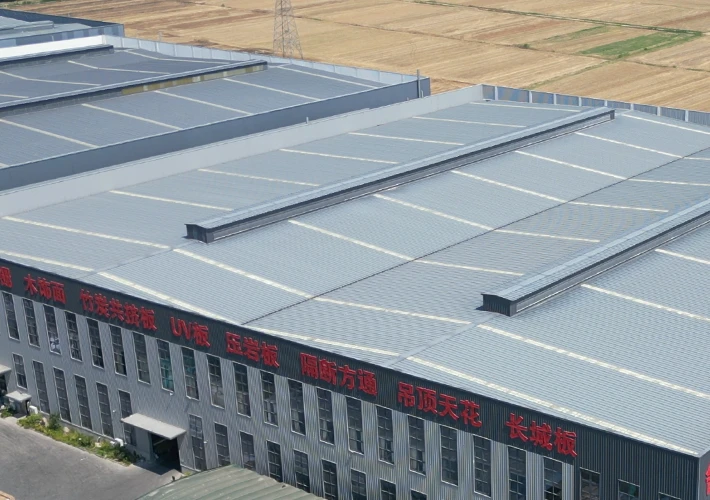
- Roofing and wall cladding projects
Whether you are a distributor, contractor, or project developer, Roofglory can provide reliable steel solutions according to your project requirements.
Conclusion
Calculating color steel sheet cost for large construction projects requires more than checking the price per ton. Buyers need to consider material specifications, quantity calculation, coating requirements, transportation, accessories, and installation costs.
A detailed cost calculation helps construction companies control budgets, avoid material shortages, and select the right products for long-term performance.
By working with an experienced color steel sheet manufacturer, international buyers can achieve better pricing, stable quality, and reliable supply for large-scale projects.
If you are planning a construction project and need a factory quotation for color steel sheets, contact Roofglory for professional support and customized solutions.