Introduction: Understanding Galvanized Poultry Wire for Agricultural and Construction Applications
Galvanized poultry wire is one of the most widely used wire mesh products in poultry farming, livestock protection, gardening, fencing, and light construction applications. Designed with galvanized steel wire and corrosion-resistant coating, this type of mesh provides a reliable balance between strength, durability, flexibility, and cost efficiency.
For importers, wholesalers, agricultural suppliers, and fencing distributors, choosing the right galvanized poultry wire requires a clear understanding of wire diameter, mesh opening size, mesh types, coating standards, and application requirements. Different markets and end users may require different specifications depending on climate conditions, animal types, installation methods, and expected service life.
As a professional China galvanized wire mesh manufacturer, Roofglory supplies galvanized poultry wire in various sizes, mesh patterns, and specifications to meet global wholesale and project requirements. With factory-direct production, strict quality control, customized sizes, and export experience, Roofglory provides reliable wire mesh solutions for distributors, farms, and industrial buyers worldwide.
This guide explains everything you need to know about galvanized poultry wire sizes, mesh types, specifications, and how to select the right supplier for your business.
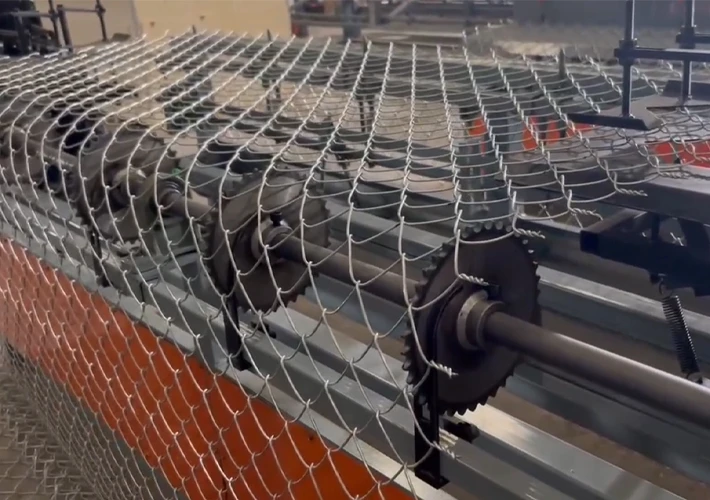
What Is Galvanized Poultry Wire and Why Is It Widely Used?
Galvanized poultry wire, also known as chicken wire or hexagonal wire mesh, is a type of woven wire mesh made from low carbon steel wire coated with zinc. The zinc coating protects the steel wire from rust and corrosion, making it suitable for outdoor environments.
The traditional use of poultry wire is for building chicken coops and protecting poultry from predators. However, modern applications have expanded significantly. Today, galvanized poultry wire is commonly used in:
- Chicken and poultry cages
- Rabbit fencing
- Garden protection
- Animal enclosures
- Farm boundary fencing
- Tree and plant protection
- Temporary construction barriers
- Gabion and landscaping projects
- DIY home improvement projects
Compared with ordinary uncoated steel wire, galvanized poultry wire offers much longer service life, especially in outdoor environments exposed to rain, humidity, and temperature changes.
For B2B buyers, galvanized poultry wire is attractive because it is lightweight, easy to transport, simple to install, and available in a wide range of specifications.
Main Features of Galvanized Poultry Wire
1. Corrosion Resistance
The galvanized zinc coating forms a protective barrier around the steel wire. This prevents direct contact between steel and moisture, reducing oxidation and extending product lifespan.
Different zinc coating levels are available depending on application requirements:
- Light galvanized coating for standard agricultural use
- Heavy galvanized coating for humid or coastal environments
- Hot-dipped galvanized coating for maximum corrosion resistance
For long-term outdoor projects, many professional buyers prefer hot-dipped galvanized poultry wire because of its superior durability.
2. Flexible and Easy Installation
Unlike rigid fencing panels, galvanized poultry wire rolls are flexible and can easily adapt to uneven terrain. It can be cut, shaped, and installed with simple tools.
This flexibility makes it suitable for:
- Curved garden borders
- Irregular farm areas
- Temporary fencing
- Custom animal cages
For wholesalers, roll packaging also reduces shipping volume and improves container loading efficiency.
3. Wide Range of Sizes
One of the biggest advantages of galvanized poultry wire is the availability of different mesh openings and wire diameters.
Common specifications include:
Mesh opening sizes:
- 1/2 inch
- 1 inch
- 1.5 inch
- 2 inch
Wire diameters:
- 0.45 mm
- 0.55 mm
- 0.7 mm
- 0.9 mm
- 1.0 mm
- 1.2 mm
Different combinations provide different levels of strength and protection.
For example:
- Small mesh + thinner wire: suitable for chicks and small animals
- Medium mesh + standard wire: suitable for poultry fencing
- Large mesh + thicker wire: suitable for stronger animal barriers
Galvanized Poultry Wire Sizes: Mesh Opening, Wire Diameter and Roll Dimensions
Selecting the correct galvanized poultry wire size is essential for ensuring safety, durability, and cost efficiency. Buyers should consider three main specifications:
- Mesh opening size
- Wire diameter
- Roll height and length
These factors directly affect product performance and application suitability.
Mesh Opening Sizes
The mesh opening refers to the distance between individual wire sections. Smaller openings provide better protection but usually require more material and higher cost.
1/2 Inch Galvanized Poultry Wire
The 1/2 inch mesh is one of the most popular choices for poultry applications.
Features:
- Provides excellent protection for small birds
- Prevents chicks from escaping
- Reduces predator access
- Suitable for chicken coops and aviaries
Typical applications:
- Chick breeding areas
- Bird cages
- Small animal enclosures
- Garden protection
Because of its smaller openings, 1/2 inch poultry wire is commonly selected by professional poultry farms.
1 Inch Galvanized Poultry Wire
The 1 inch mesh is a versatile option for general farming and gardening applications.
Advantages:
- Good balance between strength and material cost
- Easy installation
- Suitable for medium-sized poultry
Common uses:
- Chicken runs
- Rabbit cages
- Garden fencing
- Farm partitions
For distributors, 1 inch galvanized poultry wire is often considered a fast-moving standard product.
1.5 Inch Galvanized Poultry Wire
The 1.5 inch mesh provides larger openings while maintaining good structural performance.
Applications include:
- Large poultry areas
- Garden fencing
- Landscaping protection
- Animal separation
It is often selected when airflow and visibility are important.
2 Inch Galvanized Poultry Wire
The 2 inch mesh is commonly used for larger animals and general fencing applications.
Typical uses:
- Farm boundary fencing
- Livestock areas
- Landscaping projects
- Construction protection
Because the opening size is larger, buyers usually choose thicker wire diameters to maintain strength.
Common Galvanized Poultry Wire Mesh Types
Although “poultry wire” traditionally refers to hexagonal wire mesh, there are several wire mesh products used for poultry and agricultural fencing. Understanding the differences helps buyers select the correct product.
Hexagonal Galvanized Poultry Wire Mesh
Hexagonal wire mesh is the classic chicken wire design. It is manufactured by twisting galvanized steel wires together to create hexagonal openings.
Advantages:
- Lightweight structure
- Flexible installation
- Cost-effective
- Good ventilation
- Easy cutting and shaping
Common specifications:
| Mesh Size | Wire Diameter | Application |
|---|---|---|
| 1/2 inch | 0.5-0.8 mm | Chicks, birds, small animals |
| 1 inch | 0.7-1.0 mm | Chicken farms, gardens |
| 1.5 inch | 0.8-1.2 mm | Medium animal fencing |
| 2 inch | 1.0-1.4 mm | Farm fencing |
Hexagonal mesh remains the most popular choice for poultry applications due to its flexibility and affordability.
Welded Wire Mesh for Poultry Applications
Welded wire mesh is manufactured by welding horizontal and vertical wires at each intersection.
Compared with traditional hexagonal mesh, welded wire mesh offers:
- Higher rigidity
- Stronger structure
- More uniform openings
- Better resistance against impact
It is commonly used for:
- Poultry cages
- Animal breeding systems
- Industrial farms
- Security fencing
Typical welded mesh specifications include:
- 1/2 inch × 1/2 inch
- 1 inch × 1 inch
- 1 inch × 2 inch
- 2 inch × 2 inch
For commercial poultry operations requiring stronger cages, welded wire mesh is often preferred.
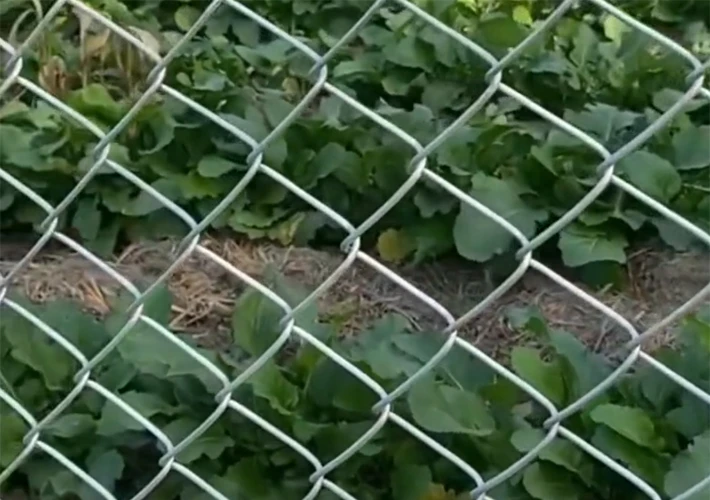
Galvanized Poultry Wire Specifications: Coating, Strength and Manufacturing Standards
For international buyers, galvanized poultry wire specifications involve more than just mesh size and wire diameter. The quality of the galvanized coating, wire tensile strength, production process, and packaging standards all influence product performance and purchasing decisions.
When importing galvanized poultry wire from China, wholesalers and distributors should evaluate technical specifications carefully to ensure the products meet their local market requirements.
Zinc Coating Standards for Galvanized Poultry Wire
The galvanized coating is one of the most important factors affecting the service life of poultry wire. A higher zinc coating weight generally provides better corrosion resistance.
Galvanized poultry wire is usually produced using two main galvanizing methods:
Electro Galvanized Poultry Wire
Electro galvanizing uses an electrical process to apply a thin zinc layer onto the steel wire surface.
Advantages:
- Smooth surface appearance
- Uniform coating
- Lower production cost
- Suitable for indoor or low-corrosion applications
Typical applications:
- Indoor cages
- Short-term fencing
- DIY projects
- General-purpose mesh products
However, electro galvanized wire usually has a thinner zinc coating compared with hot-dipped galvanized wire, making it less suitable for long-term outdoor exposure.
Hot Dipped Galvanized Poultry Wire
Hot dipped galvanizing is the preferred option for professional agricultural and outdoor applications.
During production, steel wire is immersed in molten zinc, creating a stronger protective coating.
Advantages:
- Higher corrosion resistance
- Longer outdoor service life
- Better protection in humid environments
- Suitable for farms and coastal areas
Common applications:
- Commercial poultry farms
- Livestock fencing
- Agricultural projects
- Outdoor animal enclosures
For international markets with high humidity, heavy rainfall, or coastal climates, hot dipped galvanized poultry wire is usually the recommended choice.
Wire Diameter Selection Guide for Galvanized Poultry Wire
Wire diameter directly affects the strength, durability, and price of galvanized poultry wire.
Thicker wire provides:
- Higher impact resistance
- Better structural stability
- Longer service life
However, thinner wire provides:
- Lower cost
- Easier installation
- Lower shipping weight
Therefore, choosing the correct wire diameter requires balancing performance and budget.
Common Wire Diameter Options
0.45 mm – 0.55 mm Wire
Light-duty galvanized poultry wire.
Recommended for:
- Small bird cages
- Garden protection
- Temporary fencing
- DIY applications
Benefits:
- Flexible
- Lightweight
- Cost-effective
0.7 mm – 0.9 mm Wire
Medium-duty poultry wire.
Recommended for:
- Chicken coops
- Rabbit fencing
- Agricultural fencing
- General farm applications
This is one of the most commonly requested specifications by global distributors.
1.0 mm – 1.2 mm Wire
Heavy-duty galvanized poultry wire.
Recommended for:
- Commercial farms
- Larger animal areas
- Long-term outdoor fencing
- Projects requiring stronger protection
Thicker wire provides better resistance against animals and external impact.
Standard Galvanized Poultry Wire Roll Sizes
For export markets, galvanized poultry wire is commonly supplied in rolls for easy transportation and installation.
Typical roll specifications include:
| Roll Height | Roll Length | Application |
|---|---|---|
| 0.5 m | 50 m | Small gardens and cages |
| 1 m | 50 m | Poultry fencing |
| 1.2 m | 50 m | Farm applications |
| 1.5 m | 50 m | Animal enclosure |
| 1.8 m | 50 m | Boundary fencing |
| 2 m | 50 m | Large projects |
Customized roll sizes can also be produced according to customer requirements.
For container buyers, roll dimensions are especially important because optimized packing can significantly reduce shipping costs.
How to Choose the Right Galvanized Poultry Wire Mesh Size for Different Applications
Choosing the correct poultry wire depends mainly on the type of animal, required protection level, environmental conditions, and installation purpose.
Below is a practical selection guide for different applications.
Poultry Farms and Chicken Coops
Chicken farming is the most common application for galvanized poultry wire.
Recommended specifications:
For chicks:
- Mesh: 1/2 inch
- Wire diameter: 0.5-0.8 mm
For adult chickens:
- Mesh: 1 inch
- Wire diameter: 0.7-1.0 mm
Advantages:
- Prevents chickens from escaping
- Allows ventilation
- Protects against predators
- Easy to clean and maintain
Commercial poultry farms usually prefer hot dipped galvanized wire because farm environments contain moisture, manure, and chemicals that can accelerate corrosion.
Rabbit and Small Animal Enclosures
Small animals require smaller openings to prevent escape.
Recommended specifications:
- Mesh: 1/2 inch or 1 inch
- Wire diameter: 0.6-1.0 mm
Applications:
- Rabbit cages
- Guinea pig enclosures
- Small pet fencing
A smaller mesh opening provides better safety while maintaining airflow.
Garden and Agricultural Protection
Galvanized poultry wire is widely used by gardeners and farmers to protect crops from animals.
Common specifications:
- Mesh: 1 inch – 2 inch
- Wire diameter: 0.7-1.2 mm
Uses:
- Vegetable garden fencing
- Tree protection
- Plant barriers
- Compost protection
The flexible structure allows installation around irregular areas.
Livestock and Farm Boundary Fencing
For larger farm areas, buyers usually choose stronger wire specifications.
Recommended:
- Larger mesh opening
- Thicker wire diameter
- Heavy galvanized coating
Applications:
- Farm boundaries
- Animal separation
- Agricultural land protection
For these projects, welded wire mesh may sometimes be a better alternative because it offers higher rigidity.
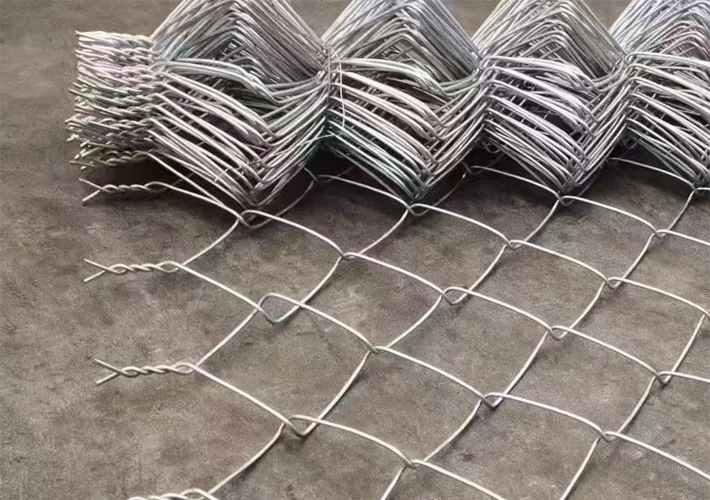
Key Factors International Buyers Should Consider When Purchasing Galvanized Poultry Wire
For importers and distributors, product quality is only one part of the purchasing decision. Reliable supply capacity, customization ability, and export experience are equally important.
1. Factory Production Capability
A professional manufacturer should have:
- Modern wire drawing equipment
- Automatic mesh weaving machines
- Galvanizing production lines
- Quality inspection procedures
- Stable raw material supply
Working directly with a factory helps buyers achieve:
- Competitive pricing
- Stable delivery time
- Customized specifications
- Better quality control
As a China-based manufacturer, Roofglory provides factory-direct galvanized poultry wire solutions for global wholesale customers.
2. Customization Options
Different markets may require different specifications.
A reliable supplier should support customization including:
- Mesh opening size
- Wire diameter
- Roll height
- Roll length
- Zinc coating thickness
- Packaging design
- Private labeling
For distributors building their own brands, OEM packaging is an important advantage.
3. Export Packaging and Container Loading
Proper packaging protects galvanized poultry wire during international transportation.
Common export packaging methods include:
- Waterproof paper wrapping
- Plastic film protection
- Pallet packaging
- Customer-specific labels
For container shipments, manufacturers should optimize loading space to reduce logistics costs.
Typical export containers:
- 20ft container
- 40ft container
- 40HQ container
Experienced suppliers can provide loading plans according to different roll specifications.
Galvanized Poultry Wire vs Other Wire Mesh Types: Which One Is Better for Your Project?
When purchasing wire mesh products, many buyers compare galvanized poultry wire with welded wire mesh, PVC coated wire mesh, and stainless steel mesh. Each type has different advantages depending on application requirements, budget, and expected service life.
Understanding the differences helps importers, distributors, and contractors select the most suitable product for their customers.
Galvanized Poultry Wire vs Welded Wire Mesh
Galvanized poultry wire and welded wire mesh are two of the most common fencing products used in agricultural applications.
Galvanized Poultry Wire Advantages:
- More flexible
- Easier to install on uneven ground
- Lower material cost
- Lightweight and easy to transport
- Suitable for temporary or lightweight fencing
Common applications:
- Chicken coops
- Small animal cages
- Garden protection
- DIY fencing
Welded Wire Mesh Advantages:
- Stronger structural stability
- More rigid construction
- Better impact resistance
- More suitable for permanent installations
Common applications:
- Commercial poultry farms
- Animal cages
- Industrial fencing
- Security barriers
Comparison Table
| Feature | Galvanized Poultry Wire | Welded Wire Mesh |
|---|---|---|
| Structure | Twisted hexagonal mesh | Welded intersections |
| Flexibility | High | Medium |
| Strength | Medium | High |
| Installation | Easy | Requires stronger support |
| Cost | Lower | Higher |
| Best Use | Poultry and gardening | Heavy-duty fencing |
For general poultry and agricultural applications, galvanized poultry wire is usually the most economical choice. For projects requiring higher strength and rigidity, welded wire mesh may be more suitable.
Galvanized Poultry Wire Quality Inspection Checklist for Importers
For international buyers purchasing large quantities, quality inspection is essential before shipment. A professional supplier should provide consistent quality across every production batch.
Below are key inspection points buyers should consider.
1. Check Wire Diameter Accuracy
Wire diameter affects:
- Strength
- Weight per roll
- Material cost
- Product durability
Buyers should verify that the actual wire diameter matches the agreed specifications.
For example:
Order specification:
- Wire diameter: 0.9 mm
Production tolerance should be controlled within an acceptable range.
Consistent wire diameter ensures stable product performance.
2. Inspect Mesh Opening Size
Incorrect mesh size can affect product application.
Quality inspection should confirm:
- Mesh opening measurement
- Uniformity of openings
- Correct roll width
- Correct length
For example:
A poultry farm ordering 1/2 inch mesh requires accurate openings to prevent small birds from escaping.
3. Test Zinc Coating Quality
The galvanized coating determines corrosion resistance.
Important inspection factors include:
- Zinc coating thickness
- Surface smoothness
- Coating uniformity
- Adhesion strength
High-quality galvanized poultry wire should have:
- Even zinc coverage
- No exposed steel areas
- No excessive zinc lumps
For outdoor agricultural applications, buyers should prioritize hot dipped galvanized wire with higher zinc coating levels.
4. Check Wire Surface and Finishing
A good galvanized poultry wire should have:
- Smooth surface
- Clean weaving points
- No sharp broken wires
- No excessive rust spots
Poor finishing may create installation problems and safety risks.
5. Verify Packaging Before Shipment
Export packaging inspection should include:
- Roll weight confirmation
- Label accuracy
- Quantity verification
- Waterproof protection
- Container loading arrangement
Proper packaging reduces damage during long-distance sea transportation.
Why Choose Roofglory as Your Galvanized Poultry Wire Manufacturer in China?
Choosing the right supplier is one of the most important decisions for importers and distributors. A reliable manufacturer can help reduce purchasing costs, improve product quality, and ensure stable supply.
Roofglory is a professional China supplier providing galvanized poultry wire and related wire mesh products for international markets.
Our factory focuses on delivering reliable fencing solutions for agricultural, construction, and industrial applications.
Factory Direct Manufacturing
Working directly with Roofglory provides buyers with:
- Competitive factory prices
- Stable production capacity
- Customized specifications
- Professional export service
- Direct communication with manufacturers
By eliminating unnecessary intermediaries, importers can achieve better cost control.
Wide Range of Galvanized Poultry Wire Options
Roofglory supplies galvanized poultry wire in various specifications, including:
- Hexagonal wire mesh
- Galvanized chicken wire
- Poultry fencing mesh
- Animal enclosure wire
- Garden wire mesh
Available customization:
- Different mesh openings
- Various wire diameters
- Multiple roll heights
- Customized packaging
Whether customers need standard products or special specifications, Roofglory can provide suitable solutions.
Strict Quality Control System
Quality control is integrated throughout the production process.
Inspection includes:
- Raw material checking
- Wire diameter testing
- Mesh size measurement
- Galvanizing inspection
- Finished product checking
- Packing inspection
This ensures every shipment meets international buyer requirements.
OEM and Wholesale Supply Support
For distributors and wholesalers, Roofglory supports:
- Bulk orders
- OEM packaging
- Private labels
- Container shipments
- Long-term cooperation
Our production capability allows us to serve customers from different industries, including:
- Agricultural suppliers
- Hardware distributors
- Fencing companies
- Construction material wholesalers
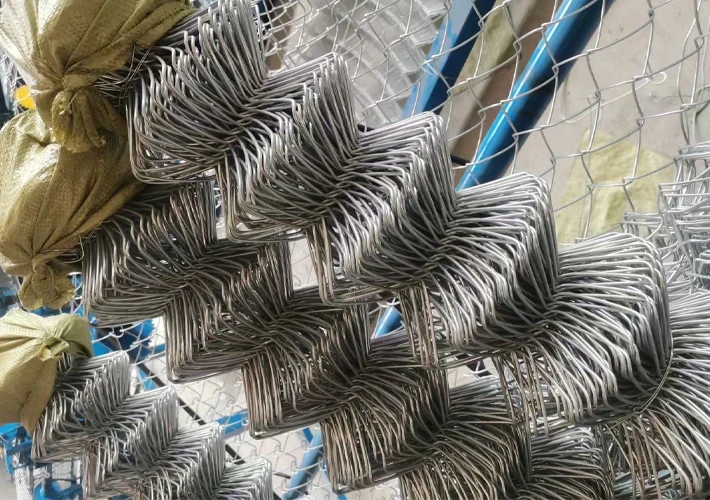
Frequently Asked Questions About Galvanized Poultry Wire
What Is the Most Common Size of Galvanized Poultry Wire?
The most common sizes are:
- 1/2 inch mesh
- 1 inch mesh
- 2 inch mesh
For chicken coops, 1/2 inch and 1 inch mesh are the most popular choices.
How Long Does Galvanized Poultry Wire Last?
Service life depends on:
- Zinc coating thickness
- Weather conditions
- Installation environment
- Maintenance
Hot dipped galvanized poultry wire can typically provide many years of outdoor service, especially when properly installed.
Is Galvanized Poultry Wire Safe for Chickens?
Yes. High-quality galvanized poultry wire is widely used for chicken farms and poultry housing.
However, buyers should select suitable wire diameters and mesh sizes to avoid injury risks and ensure proper protection.
What Mesh Size Is Best for Chicken Coop Fencing?
For most chicken coops:
- 1/2 inch mesh provides stronger protection
- 1 inch mesh is suitable for adult chickens
Smaller mesh sizes are recommended where predator protection is important.
Can Roofglory Provide Customized Poultry Wire?
Yes. Roofglory supports customized production based on customer requirements, including:
- Mesh size
- Wire diameter
- Roll dimensions
- Packaging
- OEM requirements
Conclusion: Choose the Right Galvanized Poultry Wire Supplier for Your Business
Galvanized poultry wire remains one of the most practical and cost-effective solutions for poultry farming, agricultural fencing, gardening, and animal protection projects.
Choosing the right product requires careful consideration of:
- Mesh opening size
- Wire diameter
- Galvanizing method
- Roll specifications
- Application requirements
For wholesalers, distributors, and importers, working with an experienced China manufacturer ensures reliable quality, competitive pricing, and stable supply.
As a professional galvanized poultry wire manufacturer in China, Roofglory provides factory-direct solutions with flexible customization, strict quality control, and export experience.
Whether you need standard chicken wire mesh for distribution or customized galvanized wire mesh for large projects, Roofglory is ready to support your business.
Contact Roofglory today to get product specifications, factory pricing, samples, and a customized quotation for your galvanized poultry wire requirements.