When sourcing color coated aluminum coils for construction projects, one of the most important decisions is choosing the right coating system. Among the most widely used coatings in the architectural and industrial sectors are PE (Polyester) coating and PVDF (Polyvinylidene Fluoride) coating.
Many buyers understand that PVDF is generally more expensive than PE, but few fully understand the technical differences, performance advantages, service life expectations, and application suitability of each coating type.
As a professional Chinese color coated aluminum coil manufacturer, Roofglory regularly helps contractors, distributors, and project developers select the most cost-effective coating solution based on climate conditions, project budgets, and expected service life.
In this comprehensive guide, we will explain the differences between PE and PVDF coatings from every important perspective, including composition, durability, weather resistance, color retention, applications, costs, and purchasing recommendations.
Understanding Color Coated Aluminum Coil
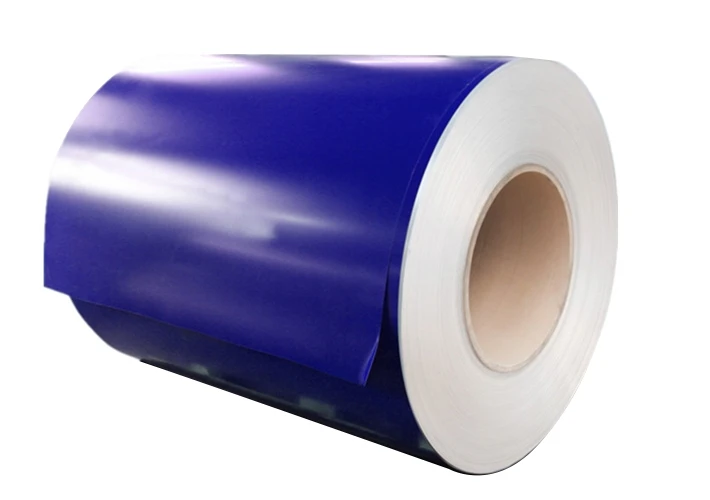
Color coated aluminum coil refers to aluminum sheets or coils that have been pre-painted using advanced coil coating technology. Before coating, the aluminum substrate undergoes cleaning, degreasing, chemical treatment, and priming processes to ensure excellent adhesion.
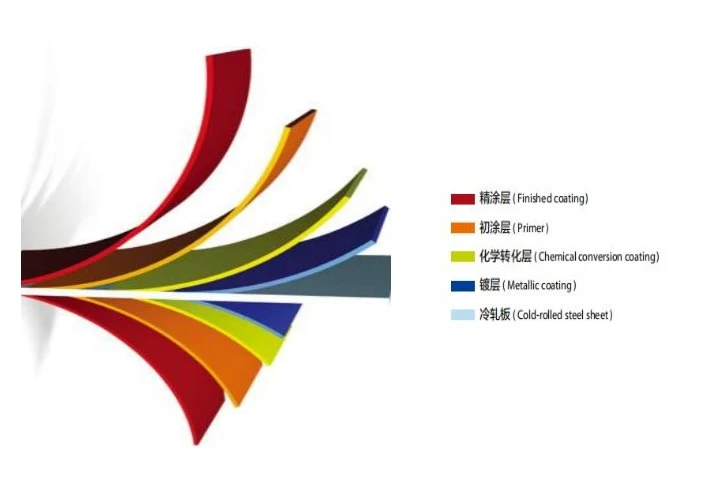
The coating system generally consists of:
- Aluminum substrate
- Chemical pretreatment layer
- Primer coating
- Top coating (PE or PVDF)
- Protective back coating
The top coating largely determines the appearance, durability, corrosion resistance, and lifespan of the finished product.
This is why understanding the difference between PE and PVDF coatings is critical when purchasing prepainted aluminum coils.
What Is PE Coating?
PE coating stands for Polyester Coating.
It is one of the most common coating systems used in the coil coating industry because it provides an attractive finish at a relatively economical cost.
PE coatings are based on polyester resin combined with pigments, solvents, and additives that form a protective decorative layer on the aluminum surface.
Main Characteristics of PE Coating
- Good flexibility
- Attractive appearance
- Wide color selection
- Cost-effective
- Easy processing
- Good adhesion
- Suitable for indoor and moderate outdoor environments
PE coated aluminum coils are widely used in residential and commercial decoration projects where extreme weather resistance is not the primary concern.
What Is PVDF Coating?
PVDF stands for Polyvinylidene Fluoride, a fluorocarbon-based coating recognized as one of the highest-performance architectural coating systems available.
PVDF coatings typically contain:
- 70% PVDF resin
- 30% Acrylic resin
This unique fluoropolymer structure provides exceptional resistance to:
- UV radiation
- Acid rain
- Salt spray
- Air pollution
- Chemical corrosion
- High temperatures
Because of these advantages, PVDF coated aluminum coils are widely specified for prestigious architectural projects, airports, commercial complexes, and coastal buildings.
PE vs PVDF Coating: Key Differences
Chemical Composition
PE coatings rely primarily on polyester resins.
PVDF coatings utilize fluoropolymer technology, which contains highly stable carbon-fluorine bonds.
The carbon-fluorine bond is one of the strongest chemical bonds in organic chemistry, making PVDF significantly more resistant to environmental degradation.
Weather Resistance
PE coatings offer acceptable weather resistance for normal environments.
However, prolonged exposure to:
- Intense sunlight
- Coastal salt spray
- Industrial pollution
- Extreme temperatures
can gradually cause fading and chalking.
PVDF coatings maintain their performance much longer under these harsh conditions.
This is one of the primary reasons why architects prefer PVDF for exterior facades.
Color Retention
Color retention is often the biggest concern for building owners.
PE coatings may experience noticeable fading after several years of outdoor exposure.
PVDF coatings can maintain color stability for decades.
Many premium PVDF systems retain over 90% of their original appearance after 20 years of outdoor exposure.
Gloss Retention
Gloss retention refers to how well a coating maintains its original shine.
PE coatings gradually lose gloss when exposed to UV radiation.
PVDF coatings demonstrate superior gloss retention, ensuring buildings maintain a newer appearance for a longer period.
Corrosion Resistance
PE coatings provide standard corrosion protection.
PVDF coatings provide significantly enhanced resistance against:
- Salt spray
- Acid rain
- Industrial chemicals
- Marine environments
This makes PVDF ideal for coastal construction projects.
Scratch Resistance
PE coatings generally provide good scratch resistance for standard applications.
PVDF coatings often provide better overall surface durability and long-term resistance to environmental wear.
Service Life
Expected lifespan is one of the most important differences.
PE Coating:
- Typical lifespan: 8–15 years
- Moderate weather conditions
PVDF Coating:
- Typical lifespan: 20–30+ years
- Harsh outdoor environments
For projects requiring long-term durability, PVDF is usually the preferred solution.
Performance Comparison Table
| Property | PE Coating | PVDF Coating |
|---|---|---|
| Resin Type | Polyester | Fluoropolymer |
| UV Resistance | Good | Excellent |
| Weather Resistance | Good | Outstanding |
| Color Retention | Moderate | Excellent |
| Gloss Retention | Moderate | Excellent |
| Corrosion Resistance | Good | Superior |
| Chemical Resistance | Moderate | Excellent |
| Service Life | 8–15 Years | 20–30+ Years |
| Cost | Lower | Higher |
| Recommended Use | Indoor & General Outdoor | Premium Exterior Projects |
Which Coating Is Better for Exterior Applications?
The answer depends on project requirements.
For budget-sensitive projects located in mild climates, PE coated aluminum may provide sufficient performance.
Examples include:
- Residential decoration
- Retail signage
- Interior ceiling systems
- Indoor wall panels
- Temporary structures
However, for exterior applications exposed to intense weather conditions, PVDF is generally the superior choice.
Typical PVDF applications include:
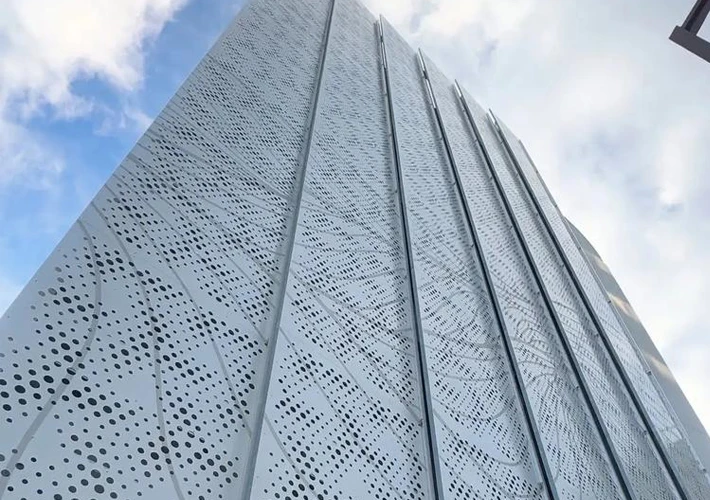
- Curtain wall systems
- Aluminum composite panels
- Airport facades
- Commercial towers
- Transportation terminals
- Stadiums
- Coastal buildings
Cost Difference Between PE and PVDF Coatings
One of the most common questions buyers ask is:
“Why is PVDF more expensive?”
Several factors contribute to the higher cost:
Higher Resin Cost
PVDF resin is significantly more expensive than polyester resin.
More Advanced Manufacturing Process
PVDF coating requires stricter quality control and specialized production equipment.
Longer Service Life
Although initial costs are higher, PVDF often reduces maintenance and replacement expenses over the building lifecycle.
Better Architectural Performance
Premium projects frequently specify PVDF because long-term appearance directly impacts property value.
For many commercial developments, the lifetime value of PVDF outweighs the higher initial investment.
How Climate Affects Coating Selection
Different climates require different coating strategies.
Tropical Regions
Countries such as:
- Singapore
- Malaysia
- Indonesia
- Thailand
experience intense UV exposure and humidity.
PVDF coatings generally provide superior long-term performance.
Coastal Regions
Buildings near oceans face constant salt spray exposure.
PVDF coatings offer much better corrosion protection.
Industrial Areas
Industrial pollutants and chemical emissions can accelerate coating degradation.
PVDF performs significantly better under these conditions.
Inland Residential Areas
PE coatings often provide adequate protection while keeping project costs lower.
Common Applications of PE Coated Aluminum Coil
PE coated aluminum coils are frequently used for:
- Interior wall cladding
- Decorative ceilings
- Advertising signs
- Appliance panels
- Furniture components
- Roofing in moderate environments
- Residential decoration
Their affordability makes them highly attractive for volume projects.
Common Applications of PVDF Coated Aluminum Coil
PVDF coated aluminum coils are widely used in:
- High-rise buildings
- Curtain walls
- Aluminum composite panels
- Airport terminals
- Railway stations
- Shopping malls
- Hospitals
- Schools
- Coastal construction projects
- Government buildings
These projects require exceptional long-term appearance and durability.
How Roofglory Manufactures High-Quality Color Coated Aluminum Coils
At Roofglory, we specialize in manufacturing premium color coated aluminum coils for customers worldwide.
Our production advantages include:
Advanced Coil Coating Lines
We utilize automated continuous coating equipment that ensures uniform coating thickness and consistent color quality.
Premium Raw Materials
We source high-quality aluminum substrates and internationally recognized coating materials.
Strict Quality Control
Every batch undergoes testing for:
- Coating thickness
- Gloss level
- Color consistency
- Adhesion
- Impact resistance
- Pencil hardness
- Salt spray resistance
Customized Solutions
We offer:
- PE coated aluminum coils
- PVDF coated aluminum coils
- Wood grain aluminum coils
- Stone pattern aluminum coils
- Matt finish aluminum coils
- High gloss aluminum coils
Global Export Experience
Roofglory products have been exported to:
- Southeast Asia
- Middle East
- Europe
- Africa
- South America
providing reliable solutions for distributors, contractors, and building material wholesalers.
Conclusion
The difference between PE and PVDF coatings goes far beyond price. While PE coating provides an economical and attractive solution for general-purpose applications, PVDF coating delivers unmatched durability, weather resistance, color retention, and long-term value.
For indoor decoration, residential projects, and cost-sensitive applications, PE coated aluminum coils often provide sufficient performance.
For commercial buildings, coastal projects, landmark architecture, and high-end exterior cladding systems, PVDF coated aluminum coils remain the industry standard.
As a trusted Chinese manufacturer, Roofglory supplies both PE and PVDF color coated aluminum coils tailored to the specific requirements of global construction and industrial projects.
Whether you are a distributor, wholesaler, contractor, or project developer, our team can help you select the ideal coating solution to maximize performance, durability, and return on investment.
Contact Roofglory today to receive samples, technical specifications, and competitive factory-direct quotations for your next project.