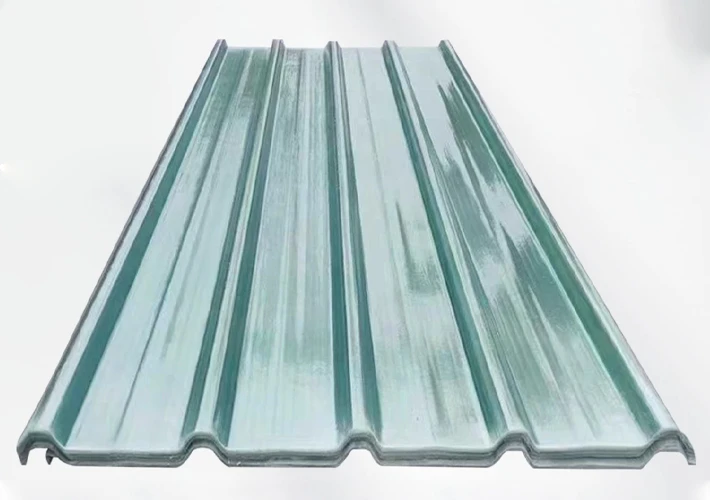
FRP roofing sheets, also known as Fiberglass Reinforced Plastic roofing sheets, are composite roofing materials manufactured by combining high-strength fiberglass with thermosetting resin systems. These roofing sheets are designed to provide excellent durability, weather resistance, light transmission, and corrosion protection in demanding environments.
Compared with traditional metal roofing materials, FRP sheets offer superior resistance to rust, chemicals, salt spray, and UV exposure. This makes them highly popular in industrial plants, agricultural buildings, chemical factories, warehouses, coastal structures, and commercial construction projects.
Today, FRP roofing sheets are widely exported across Southeast Asia, the Middle East, Africa, Europe, South America, and North America. As a professional Chinese factory, Roofglory provides customized FRP roofing solutions for global distributors, contractors, wholesalers, and project developers.
Main Raw Materials Used in FRP Roofing Sheets
The performance of FRP roofing sheets depends heavily on the quality of raw materials. High-quality FRP roofing panels are usually composed of four major components:
1. Fiberglass Reinforcement
Fiberglass is the structural backbone of FRP roofing sheets. It provides mechanical strength, impact resistance, and dimensional stability.
Common fiberglass materials include:
- Continuous filament fiberglass
- Chopped strand mat
- Woven roving fiberglass
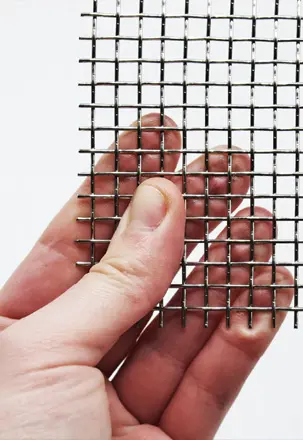
- High-density fiberglass mesh
Fiberglass reinforcement improves:
- Tensile strength
- Flexural strength
- Wind resistance
- Load-bearing capacity
- Crack resistance
High-grade fiberglass enables FRP roofing sheets to withstand heavy rain, hail, snow loads, and industrial stress.
For industrial roofing projects, fiberglass content is carefully controlled to ensure optimal balance between flexibility and rigidity.
2. Resin Systems
The resin acts as the matrix material that binds fiberglass together. Different resin systems determine the roofing sheet’s durability, chemical resistance, and weather performance.
Common resin types include:
Polyester Resin
Polyester resin is the most widely used material in standard FRP roofing sheets because of its cost-effectiveness and stable performance.
Advantages:
- Economical
- Good processability
- Suitable for general roofing applications
- Excellent bonding with fiberglass
Vinyl Ester Resin
Vinyl ester resin offers better chemical resistance and corrosion protection.
Applications:
- Chemical factories
- Coastal buildings
- Fertilizer plants
- Industrial workshops
Advantages:
- Superior corrosion resistance
- Higher durability
- Better thermal stability
Epoxy Resin
Epoxy-based FRP roofing sheets are used in high-performance industrial environments.
Advantages:
- Exceptional bonding strength
- High mechanical performance
- Excellent moisture resistance
However, epoxy resin is more expensive and mainly used for specialized engineering projects.
3. UV Protection Film or Gel Coat
Long-term sunlight exposure can cause aging, yellowing, and surface degradation. To solve this issue, premium FRP roofing sheets include UV-resistant surface layers.
Common UV protection solutions include:
- Anti-UV film
- Gel coat protection
- Weather-resistant coating
- ASA protective layer
Benefits include:
- Extended service life
- Improved color stability
- Reduced surface chalking
- Better heat resistance
High-quality UV coatings can significantly increase outdoor durability in tropical and desert climates.
4. Fillers and Additives
Manufacturers also add functional additives to improve specific properties.
Typical additives include:
- Flame retardants
- Anti-aging stabilizers
- Color pigments
- Anti-static agents
- Heat stabilizers
These additives help FRP roofing sheets meet different international standards and project requirements.
How Are FRP Roofing Sheets Manufactured?
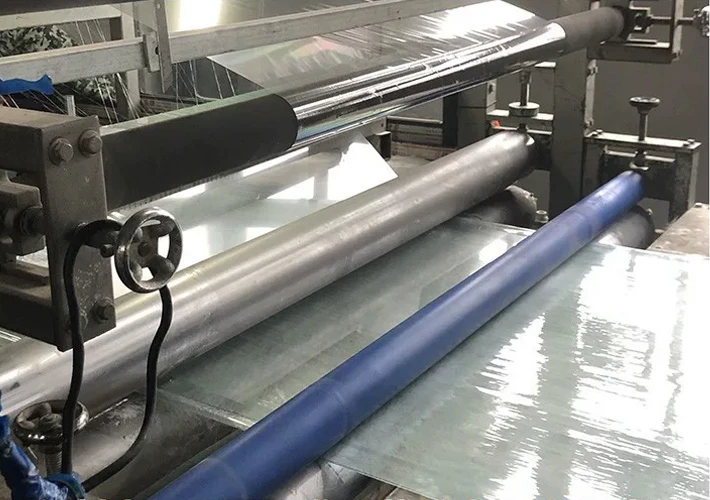
The production process directly affects roofing sheet quality and consistency. Professional FRP roofing sheet manufacturers use automated continuous production lines.
Step 1: Fiberglass Feeding
Fiberglass mats or rovings are continuously fed into the production equipment.
Step 2: Resin Impregnation
The fiberglass is fully saturated with resin through dipping or roller systems.
This process ensures:
- Uniform resin distribution
- Strong fiberglass bonding
- Structural integrity
Step 3: Sheet Forming
The material passes through shaping rollers that form roofing profiles such as:
- Corrugated sheets
- Trapezoidal roofing panels
- Flat translucent panels
- Custom industrial profiles
Step 4: Heating and Curing
The composite material enters heating zones where resin curing occurs.
Proper curing ensures:
- High strength
- Stable dimensions
- Surface smoothness
- Long-term durability
Step 5: Cooling and Cutting
After curing, the sheets are cooled and cut into required lengths.
Roofglory supports customized dimensions for international projects and container loading optimization.
Key Performance Advantages of FRP Roofing Sheets
FRP roofing sheets have become increasingly popular because they combine lightweight construction with excellent durability.
Excellent Corrosion Resistance
Unlike galvanized steel or ordinary metal roofing, FRP sheets do not rust.
This makes them ideal for:
- Coastal regions
- Chemical plants
- Livestock farms
- Humid tropical environments
Lightweight Structure
FRP roofing sheets are significantly lighter than concrete or metal roofing materials.
Advantages include:
- Easier installation
- Reduced structural load
- Lower transportation costs
- Faster construction speed
Good Light Transmission
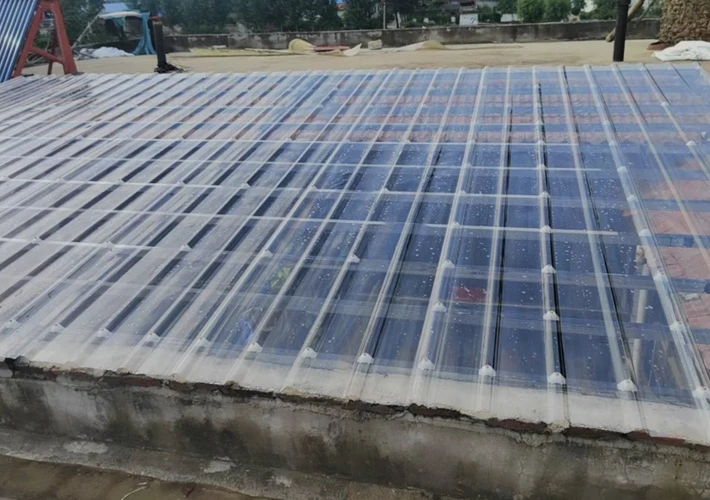
Translucent FRP sheets provide natural daylighting.
This helps:
- Reduce electricity costs
- Improve indoor brightness
- Enhance warehouse productivity
Light transmission rates can reach 70%-85% depending on sheet type.
Weather Resistance
Premium FRP roofing sheets can withstand:
- UV radiation
- Heavy rain
- Windstorms
- Temperature fluctuations
Service life can exceed 15-25 years under proper installation conditions.
Thermal Insulation
FRP sheets help reduce heat transfer compared with metal roofing.
This improves:
- Indoor comfort
- Energy efficiency
- Building sustainability
Global Applications of FRP Roofing Sheets
FRP roofing materials are widely used across various industries worldwide.
Industrial Buildings
Factories and warehouses require roofing systems that resist corrosion and reduce maintenance costs.
FRP roofing sheets are ideal for:
- Manufacturing plants
- Logistics centers
- Industrial workshops
Agricultural Buildings
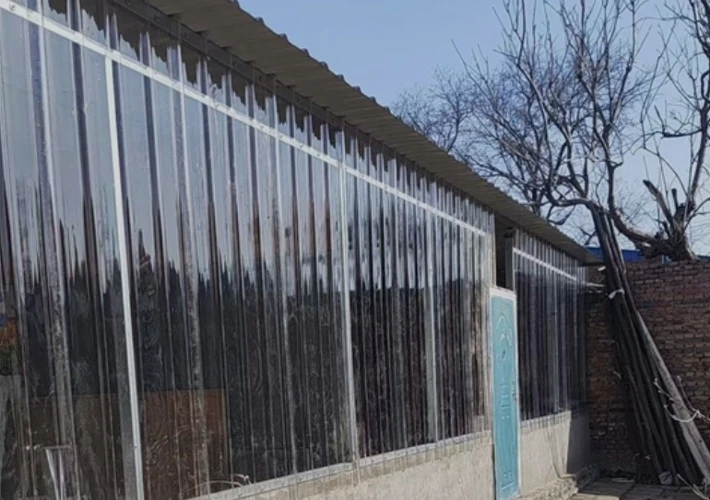
Agricultural environments often contain moisture, ammonia, and chemicals that damage traditional roofing materials.
FRP sheets are widely used in:
- Poultry farms
- Livestock buildings
- Greenhouses
- Agricultural storage facilities
Commercial Construction
Commercial buildings use FRP roofing sheets for:
- Skylights
- Canopies
- Walkways
- Parking structures
Coastal and Marine Projects
Salt spray accelerates metal corrosion in coastal regions.
FRP roofing sheets provide:
- Long-term corrosion resistance
- Reduced maintenance
- Better durability in marine environments
Why Global Buyers Source FRP Roofing Sheets from China
China has become one of the world’s largest FRP roofing sheet manufacturing hubs.
International buyers prefer Chinese suppliers because of several advantages.
Competitive Manufacturing Costs
Chinese factories benefit from:
- Mature supply chains
- Large-scale production
- Advanced manufacturing equipment
This allows global buyers to achieve better procurement costs.
Strong OEM & Customization Capability
Professional Chinese factories like Roofglory support:
- Customized thickness
- Special colors
- UV-resistant coatings
- Customized profiles
- Project-specific dimensions
OEM branding services are also available for distributors and wholesalers.
Stable Export Experience
Experienced Chinese exporters understand:
- International quality standards
- Container loading optimization
- Export packaging
- Global shipping requirements
Roofglory supplies FRP roofing sheets to customers in:
- Southeast Asia
- Africa
- Middle East
- South America
- Europe
Flexible MOQ for B2B Buyers
Chinese factories can support:
- Wholesale orders
- Distributor partnerships
- Construction project supply
- Mixed container loading
This flexibility is highly valuable for international importers.
How to Choose High-Quality FRP Roofing Sheets
Not all FRP roofing sheets offer the same quality. International buyers should evaluate several important factors before purchasing.
Resin Quality
Higher-quality resin systems provide:
- Better UV resistance
- Improved lifespan
- Stronger chemical resistance
Fiberglass Density
Low-density fiberglass may reduce strength and durability.
Always confirm:
- Fiberglass content
- Reinforcement structure
- Mechanical performance data
UV Protection Layer
Without UV protection, FRP sheets may yellow or crack prematurely.
Premium FRP roofing sheets should include:
- Anti-UV film
- Weather-resistant gel coating
Thickness Consistency
Uniform thickness ensures:
- Stable strength
- Better installation
- Consistent light transmission
Manufacturer Experience
Experienced factories can provide:
- Stable quality control
- Technical support
- Reliable delivery schedules
Roofglory focuses on strict production management and international export standards to ensure consistent product quality.
Why Choose Roofglory as Your FRP Roofing Sheet Supplier
Roofglory is a professional Chinese roofing material manufacturer serving global B2B clients.
We provide:
- High-quality FRP roofing sheets
- OEM & ODM services
- Customized roofing solutions
- Stable export supply chain
- Strict quality inspection
- Fast production lead time
Our FRP roofing products are suitable for:
- Industrial projects
- Agricultural buildings
- Commercial roofing systems
- Warehouse construction
- Coastal engineering
Roofglory continuously invests in advanced manufacturing equipment and product innovation to meet the growing demands of international construction markets.
Whether you are a distributor, wholesaler, contractor, or project developer, Roofglory can provide reliable roofing solutions tailored to your market requirements.
Conclusion
FRP roofing sheets are made from a combination of fiberglass reinforcement, resin systems, UV-resistant layers, and performance additives. These materials create a lightweight yet durable roofing solution with excellent corrosion resistance, weather performance, and long service life.
As global demand for durable and cost-effective roofing materials continues to rise, FRP roofing sheets are becoming increasingly important in industrial, agricultural, and commercial construction projects worldwide.
Choosing an experienced Chinese factory like Roofglory allows international buyers to access competitive pricing, customized production, stable quality, and reliable export services.
If you are looking for a professional FRP roofing sheet manufacturer in China, Roofglory is ready to support your business with high-quality products and global project experience.