In the global construction and industrial materials market, PPGL steel coils have become one of the most important materials for roofing systems, wall cladding, sandwich panels, rolling shutters, home appliances, and prefabricated buildings. With rising demand for corrosion-resistant and decorative steel products, international buyers are paying more attention to PPGL steel coil specifications, coating standards, paint systems, and quality certifications.
As a professional Chinese manufacturer, roofglory supplies high-quality PPGL steel coils to clients worldwide, providing customized coating solutions, RAL colors, and export-grade packaging for industrial and architectural applications.
This guide explains everything buyers need to know about PPGL steel coil specifications and coating standards, including substrate composition, coating thickness, paint systems, mechanical properties, and international quality requirements.
What Is PPGL Steel Coil?
PPGL stands for Pre-Painted Galvalume Steel Coil. It is produced by coating a galvalume steel substrate with organic paint layers through a continuous coil coating process.
The substrate typically contains:
- 55% Aluminum
- 43.4% Zinc
- 1.6% Silicon
This Al-Zn alloy provides significantly better corrosion resistance than ordinary galvanized steel.
Structure of PPGL Steel Coil
A standard PPGL steel coil usually includes:
- Steel base sheet
- Al-Zn alloy coating
- Chemical pretreatment layer
- Primer coating
- Top paint coating
- Back paint coating
This multilayer structure improves:
- Corrosion resistance
- UV resistance
- Weather durability
- Color retention
- Surface aesthetics
- Formability
Compared with PPGI steel, PPGL offers superior performance in coastal, humid, and high-temperature environments.
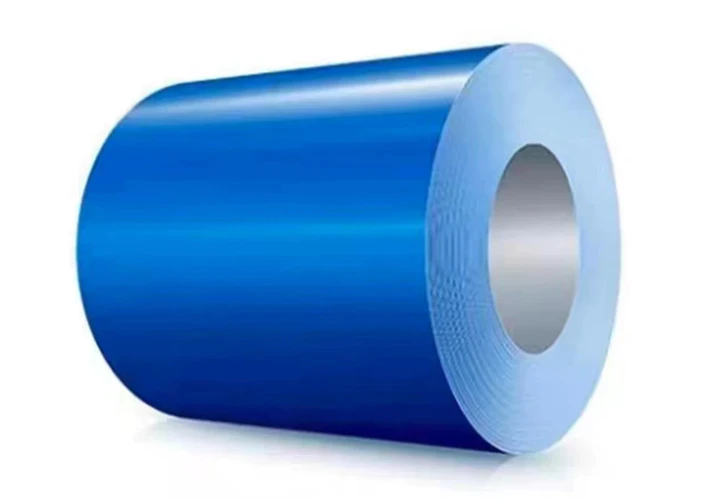
Main Specifications of PPGL Steel Coil
Understanding specifications is critical for B2B buyers because thickness, coating weight, and paint quality directly affect project lifespan and cost.
1. Thickness Range
The common thickness range is:
| Application | Thickness |
|---|---|
| Light roofing sheets | 0.12–0.25 mm |
| Residential roofing | 0.3–0.5 mm |
| Industrial roofing | 0.5–0.8 mm |
| Structural cladding | 0.8–1.2 mm |
| Heavy-duty applications | Up to 2.0 mm |
Most manufacturers produce PPGL coils between 0.12 mm and 1.2 mm.
At roofglory, customized thickness tolerances are available according to ASTM, EN, and JIS standards.
2. Width Specifications
Standard coil widths include:
- 600 mm
- 914 mm
- 1000 mm
- 1200 mm
- 1220 mm
- 1250 mm
Customized slit widths are also available for roll forming and roofing production.
Typical export widths range from 600 mm to 1250 mm.
3. Coil Weight
Standard PPGL coil weights:
- 3–5 tons
- 5–8 tons
- 8–10 tons
Container loading efficiency usually determines final coil weight selection.
For Southeast Asia, Africa, and South America, 3–5 ton coils are popular because they simplify unloading and manual handling.
4. Coil Inner Diameter
Standard inner diameters:
- 508 mm
- 610 mm
These specifications ensure compatibility with roll-forming equipment worldwide.
PPGL Coating Standards Explained
The coating layer is the most critical part of PPGL steel performance.
AZ Coating Standards
PPGL uses an aluminum-zinc alloy coating identified by “AZ”.
Common coating weights include:
| Coating Grade | Coating Weight |
|---|---|
| AZ30 | 30 g/m² |
| AZ50 | 50 g/m² |
| AZ70 | 70 g/m² |
| AZ100 | 100 g/m² |
| AZ150 | 150 g/m² |
| AZ180 | 180 g/m² |
AZ100–AZ150 are the most common export specifications for roofing and wall cladding.
Recommended AZ Coatings by Environment
| Environment | Recommended AZ Coating |
|---|---|
| Dry inland areas | AZ50–AZ70 |
| Normal residential use | AZ100 |
| Coastal areas | AZ150 |
| Industrial chemical zones | AZ150–AZ180 |
Higher AZ coatings provide better corrosion resistance and longer service life.
Paint Systems and Coating Types
The paint system greatly affects UV resistance, color retention, and weather durability.
1. PE (Polyester)
PE coating is the most economical option.
Features:
- Good flexibility
- Good adhesion
- Cost-effective
- Suitable for normal climates
Typical paint thickness:
- Top coat: 15–20 μm
- Back coat: 5–10 μm
Expected lifespan:
- 10–15 years
Applications:
- Residential roofing
- Ceiling systems
- Temporary structures
2. SMP (Silicone Modified Polyester)
SMP coating improves weather resistance and UV stability.
Advantages:
- Better chalk resistance
- Improved heat resistance
- Better gloss retention
Typical thickness:
- 20–30 μm
Service life:
- 15–20 years
Applications:
- Industrial roofing
- Warehouses
- Commercial buildings
3. HDP (High Durability Polyester)
HDP offers higher durability than PE while maintaining good flexibility.
Advantages:
- Better color stability
- Better anti-corrosion performance
- Improved outdoor durability
Applications:
- Commercial facades
- Mid-to-high-end roofing systems
4. PVDF (Polyvinylidene Fluoride)
PVDF is the premium coating option.
Advantages:
- Exceptional UV resistance
- Superior chemical resistance
- Excellent color retention
- Outstanding weather durability
Typical coating thickness:
- 25–35 μm
Expected lifespan:
- 20–30+ years
PVDF-coated PPGL is widely used for:
- Airports
- Stadiums
- Luxury commercial buildings
- Coastal projects
- Industrial plants
Standard Paint Coating Structures
Two-Coating Two-Baking System
Most high-quality PPGL products use a two-coating two-baking production line.
Typical structure:
| Layer | Thickness |
|---|---|
| Primer | 5–8 μm |
| Top coat | 15–30 μm |
| Back coat | 5–15 μm |
This process improves:
- Adhesion
- Surface smoothness
- Scratch resistance
- Corrosion protection
International PPGL Standards
Reliable suppliers must comply with international production standards.
Common Standards
| Standard | Region |
|---|---|
| ASTM A792 | USA |
| ASTM A755 | USA |
| EN 10169 | Europe |
| JIS G3322 | Japan |
| JIS G3312 | Japan |
| GB/T 12754 | China |
These standards regulate:
- Coating weight
- Paint adhesion
- Mechanical properties
- Thickness tolerance
- Surface quality
- Corrosion resistance
Mechanical Properties of PPGL Steel Coil
Mechanical strength is essential for roofing and cladding applications.
Common Steel Grades
| Grade | Yield Strength |
|---|---|
| DX51D+AZ | General forming |
| S220GD+AZ | Medium strength |
| S350GD+AZ | Structural applications |
| S550GD+AZ | High-strength roofing |
Typical Mechanical Values
| Property | Value |
|---|---|
| Tensile strength | 300–550 MPa |
| Yield strength | 180–550 MPa |
| Elongation | 10–25% |
High-strength grades are commonly used in long-span roofing systems and industrial buildings.
Surface Finishes and Color Options
Modern PPGL coils are available in many finishes:
- Glossy
- Matte
- Wrinkle
- Embossed
- Wood grain
- Marble pattern
- Printed decorative finishes
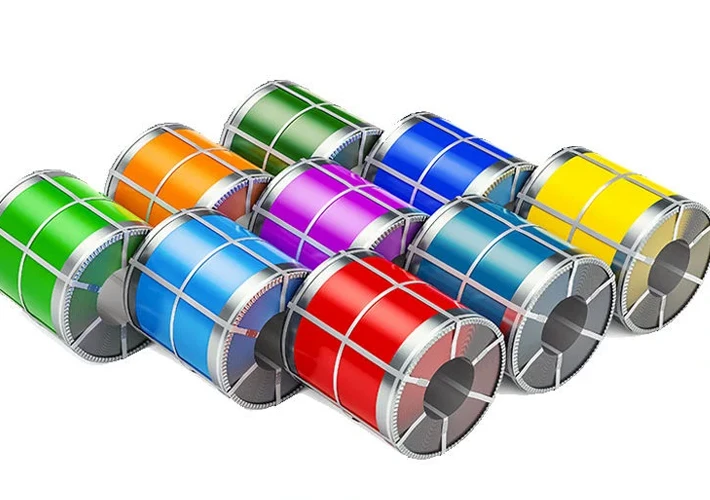
RAL color customization is standard in the industry.
Popular roofing colors include:
- RAL 9003 (Signal White)
- RAL 3005 (Wine Red)
- RAL 5005 (Blue)
- RAL 7016 (Anthracite Grey)
At roofglory, customized color matching is available for international distributors and project contractors.
Corrosion Resistance and Salt Spray Performance
Corrosion resistance is one of PPGL’s biggest advantages.
Typical Salt Spray Resistance
| Paint Type | Salt Spray Resistance |
|---|---|
| PE | 500–800 hours |
| SMP | 800–1000 hours |
| PVDF | 1000+ hours |
Why PPGL Performs Better
The aluminum-zinc alloy provides:
- Barrier protection from aluminum
- Sacrificial protection from zinc
This dual-protection system significantly increases lifespan compared with ordinary galvanized steel.
Common Applications of PPGL Steel Coil
PPGL is widely used in global construction and manufacturing industries.
Construction Industry
Applications include:
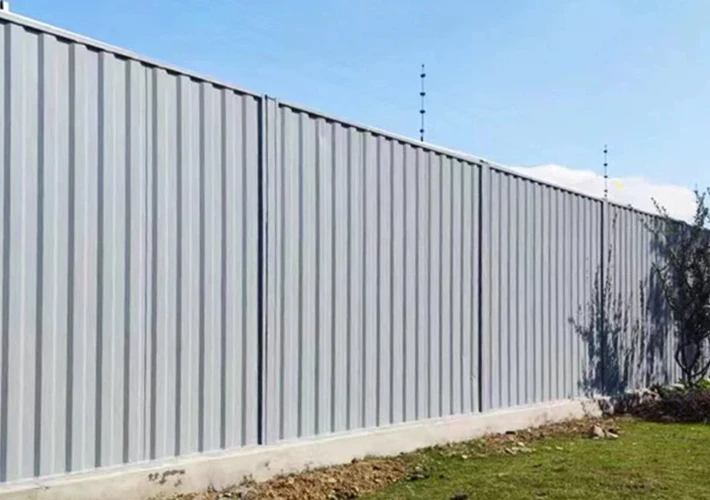
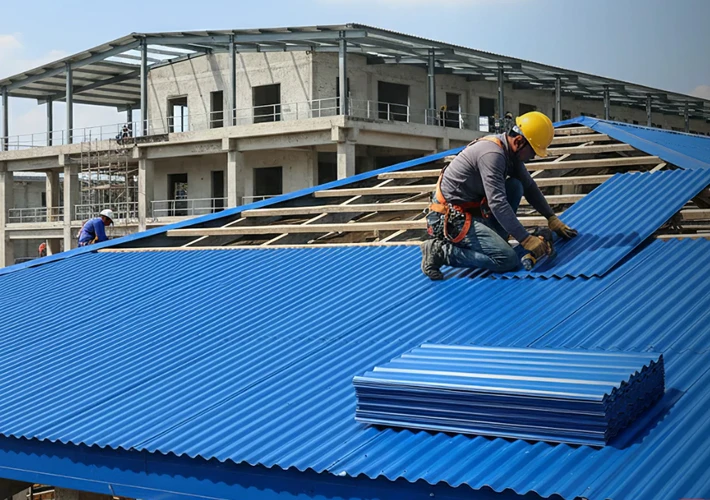
- Roofing sheets
- Wall cladding
- Sandwich panels
- Ceiling systems
- Warehouse roofing
- Industrial plants
Home Appliance Industry
Used for:
- Refrigerators
- Washing machines
- Microwave ovens
- Air conditioner panels
Infrastructure Projects
Applications include:
- Airports
- Railway stations
- Stadiums
- Container houses
- Prefabricated buildings
How to Choose the Right PPGL Specification
International buyers should consider:
1. Climate Conditions
For coastal areas:
- Choose AZ150+
- Use PVDF or SMP coatings
For inland projects:
- AZ70–AZ100 may be sufficient
2. Project Lifespan
| Expected Lifespan | Recommended Coating |
|---|---|
| 10 years | PE |
| 15–20 years | SMP/HDP |
| 25+ years | PVDF |
3. Budget Requirements
PE coatings are economical, while PVDF provides the best long-term value for premium projects.
4. Processing Requirements
For roll forming and bending:
- Good paint flexibility is essential
- Proper T-bend performance should be tested
Quality Inspection Standards
Professional PPGL manufacturers conduct multiple inspections during production.
Common Quality Tests
- Coating thickness test
- Gloss test
- Pencil hardness test
- T-bend test
- Impact resistance test
- Salt spray test
- Adhesion test
High-quality PPGL products should meet international standards such as ASTM D3359 and ASTM B117.
Why Global Buyers Choose Chinese PPGL Manufacturers
China has become one of the world’s largest PPGL production centers because of:
- Large-scale manufacturing capacity
- Advanced coating lines
- Competitive pricing
- Flexible customization
- Fast export logistics
Professional manufacturers like roofglory provide:
- OEM & ODM services
- Customized RAL colors
- Project-specific coatings
- Strict quality control
- Export-standard packaging
- International certifications
Conclusion
PPGL steel coil is one of the most versatile and durable coated steel products in modern construction and manufacturing. Understanding specifications and coating standards is essential for selecting the right material for each project.
Key factors buyers should focus on include:
- AZ coating weight
- Paint system
- Thickness tolerance
- Mechanical strength
- Corrosion resistance
- International standards compliance
For long-term performance, especially in coastal and industrial environments, high-quality PPGL with AZ100–AZ150 coatings and SMP or PVDF paint systems offers the best value.
As a trusted Chinese manufacturer, roofglory is committed to supplying reliable PPGL steel coils with customized specifications, strict quality control, and global export support for distributors, contractors, and building material wholesalers worldwide.