FRP panels, also known as Fiber Reinforced Plastic panels, have become one of the most widely used composite building materials in modern construction, industrial facilities, transportation, and commercial interiors. Combining lightweight performance with excellent durability, FRP panels are increasingly replacing traditional materials such as plywood, ceramic tiles, stainless steel, and painted gypsum boards in many applications.
As global demand grows for waterproof, hygienic, corrosion-resistant, and low-maintenance materials, FRP panels are becoming a preferred solution across industries including food processing, healthcare, cold storage, transportation, agriculture, and commercial construction.
For distributors, contractors, architects, and project developers, understanding what FRP panels are used for can help identify profitable market opportunities and select the right products for different environments.
This article explores the major applications, advantages, installation environments, and future trends of FRP panels in detail.
What Are FRP Panels?
FRP panels are composite sheets manufactured using fiberglass reinforcement combined with thermosetting resin systems such as polyester, epoxy, or vinyl ester resin. The fiberglass provides structural strength, while the resin offers moisture resistance, chemical stability, and surface protection.
FRP panels are available in multiple forms, including:
- Smooth glossy panels
- Embossed anti-slip panels
- Decorative wall panels
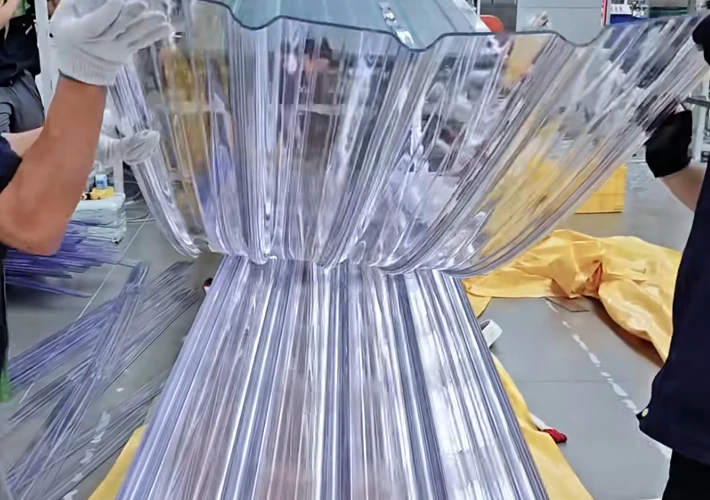
- Corrugated roofing panels
- Insulated sandwich panels
- Translucent skylight sheets
- Fire-retardant FRP boards
The thickness usually ranges from 1mm to 5mm for interior wall panels, while industrial roofing and structural panels can be significantly thicker depending on project requirements.
Common panel dimensions include:
| Standard Size | Thickness |
|---|---|
| 1220 × 2440 mm | 1–3 mm |
| 1220 × 3050 mm | 1–5 mm |
| 4 × 8 ft | 0.09–0.15 in |
| Customized lengths | Customized |
Modern Chinese factories can also provide OEM customization for color, texture, fire rating, UV resistance, and antibacterial coating.
Why FRP Panels Are So Popular
The rapid growth of FRP panel applications is mainly due to their superior performance compared with traditional building materials.
Excellent Moisture Resistance
Unlike MDF, plywood, or gypsum board, FRP panels do not absorb water easily. This makes them ideal for humid and wet environments such as:
- Bathrooms
- Kitchens
- Car washes
- Food factories
- Cold storage rooms
Corrosion Resistance
FRP materials resist acids, alkalis, salt spray, and chemicals better than many metal surfaces. This makes them suitable for industrial plants and coastal areas.
Lightweight Structure
FRP panels are much lighter than metal or concrete materials, reducing transportation and installation costs.
Hygienic Surface
The smooth non-porous surface prevents bacterial growth and is easy to clean, making FRP especially valuable in healthcare and food industries.
High Impact Strength
Fiberglass reinforcement provides excellent durability and crack resistance during long-term use.
Low Maintenance
FRP panels do not require frequent repainting or sealing, reducing operational costs over time.
Long Service Life
High-quality FRP panels can last 15–30 years depending on environmental conditions.
FRP Panels Used in Commercial Buildings
One of the largest application areas for FRP panels is commercial construction.
Interior Wall Protection
Commercial spaces experience heavy foot traffic and frequent cleaning. FRP wall panels help protect walls from:
- Impact damage
- Scratches
- Moisture
- Mold growth
Common commercial applications include:
- Shopping malls
- Restaurants
- Hotels
- Schools
- Office buildings
- Public washrooms
Decorative Interior Applications
Modern FRP technology allows manufacturers to produce decorative textures and finishes such as:
- Marble effect
- Wood grain
- Metallic finishes
- High-gloss surfaces
These decorative FRP panels provide a cost-effective alternative to natural materials.
Ceiling Systems
FRP ceiling panels are commonly installed in:
- Commercial kitchens
- Laboratories
- Medical facilities
- Clean rooms
Their moisture resistance and easy-clean properties outperform traditional ceiling materials.
FRP Panels in Food Processing Facilities
Food processing is one of the most important industries using FRP panels.
Food factories require materials that meet strict hygiene standards while resisting moisture and chemicals.
Why Food Factories Prefer FRP Panels
FRP panels offer:
- Smooth washable surfaces
- Mold resistance
- Corrosion resistance
- Non-rusting performance
- Fast cleaning capability
Common Food Industry Applications
FRP panels are widely installed in:
- Dairy factories
- Meat processing plants
- Seafood factories
- Beverage production facilities
- Commercial bakeries
- Central kitchens
They are used for:
- Interior wall cladding
- Ceiling panels
- Clean room partitions
- Washdown areas
USDA and Hygienic Compliance
Many FRP products are manufactured to comply with hygiene standards required for food-safe environments.
Anti-bacterial coatings can also be added to improve sanitation performance.
FRP Panels Used in Hospitals and Healthcare Facilities
Healthcare environments require building materials that are sanitary, durable, and easy to disinfect.
FRP panels are widely used in:
- Hospitals
- Clinics
- Laboratories
- Pharmaceutical plants
- Nursing homes
Key Benefits in Healthcare
Easy Disinfection
The smooth surface allows rapid cleaning using disinfectants without damaging the material.
Mold Prevention
FRP panels reduce moisture-related microbial growth.
Impact Resistance
Hospital corridors and patient rooms experience constant equipment movement. FRP protects walls from dents and scratches.
Common Healthcare Applications
- Operating room walls
- Medical laboratory partitions
- Hallway wall protection
- Sterile storage rooms
- Clean room systems
Fire-retardant FRP panels are particularly popular in healthcare construction projects.
Industrial Applications of FRP Panels
Industrial environments are among the harshest conditions for construction materials.
FRP panels are highly suitable because of their corrosion resistance and structural performance.
Chemical Plants
FRP panels resist:
- Acid exposure
- Chemical splashes
- Corrosive gases
This makes them suitable for:
- Chemical processing facilities
- Battery plants
- Fertilizer factories
Warehouses and Factories
FRP wall systems help improve durability and reduce maintenance costs in industrial buildings.
Applications include:
- Interior wall lining
- Machine area partitions
- Protective barriers
- Industrial ceilings
Power Plants
FRP materials are commonly used around electrical and cooling systems because they resist corrosion and humidity.
FRP Panels for Cold Storage and Refrigeration
Cold storage facilities require materials capable of handling extreme humidity and temperature variation.
FRP panels perform exceptionally well in these environments.
Advantages for Cold Rooms
- Water resistance
- Thermal stability
- Mold prevention
- Easy sanitation
- Long-term durability
Common Refrigeration Applications
- Walk-in freezers
- Refrigerated warehouses
- Ice production plants
- Food logistics centers
Insulated FRP sandwich panels are especially popular because they combine thermal insulation with durable surfaces.
Transportation Applications of FRP Panels
FRP panels are increasingly used in transportation industries because they reduce vehicle weight while maintaining structural performance.
Truck and Trailer Bodies
FRP panels are widely used in:
- Refrigerated trucks
- Cargo trailers
- Delivery vans
Advantages include:
- Lower fuel consumption
- Corrosion resistance
- Easier maintenance
- Improved durability
RV and Caravan Manufacturing
Recreational vehicle manufacturers use FRP panels for:
- Interior walls
- Exterior skins
- Roof structures
Marine Industry
FRP panels resist saltwater corrosion, making them ideal for:
- Boat interiors
- Ship wall systems
- Marine ceilings
FRP Roofing and Exterior Applications
FRP panels are also widely used outdoors.
Corrugated Roofing Panels
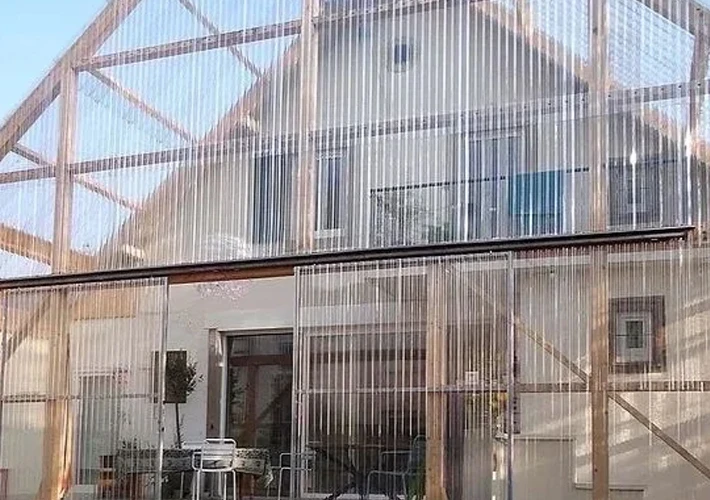
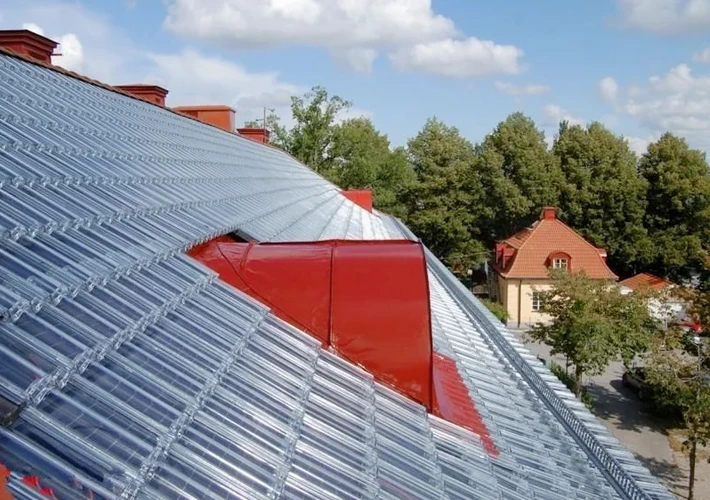
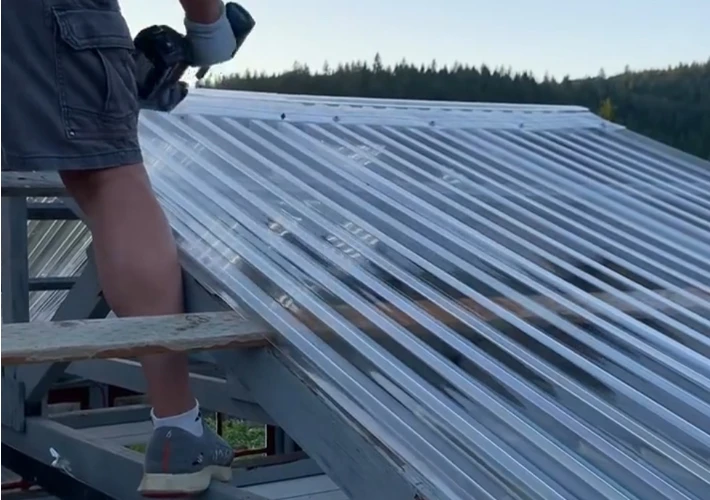
Translucent FRP roofing sheets are common in:
- Warehouses
- Greenhouses
- Agricultural buildings
- Industrial workshops
These panels provide natural lighting while resisting UV exposure and weather conditions.
Exterior Wall Cladding
FRP wall cladding offers:
- Weather resistance
- UV stability
- Lightweight installation
- Long-term color retention
Agricultural Buildings
FRP panels are extensively used in:
- Poultry farms
- Livestock facilities
- Feed storage buildings
Because they resist ammonia corrosion and moisture, they outperform many traditional materials.
FRP Panels in Residential Construction
Although FRP panels are more common in commercial and industrial projects, residential demand is also increasing.
Bathroom Wall Panels
FRP bathroom panels are popular because they:
- Resist moisture
- Prevent mold
- Require minimal maintenance
Kitchen Applications
FRP can be installed as:
- Kitchen backsplash panels
- Utility room wall protection
- Laundry room wall systems
Basement and Garage Walls
Homeowners increasingly use FRP panels in garages and basements because of their durability and moisture resistance.
Fire-Rated and Specialized FRP Panels
Modern FRP manufacturing technology allows production of specialized performance panels.
Fire-Retardant FRP Panels
Used in:
- Public buildings
- Hospitals
- Tunnels
- Transportation systems
These panels improve building safety and meet fire code requirements.
Anti-Bacterial FRP Panels
Suitable for:
- Food facilities
- Pharmaceutical factories
- Hospitals
UV-Resistant FRP Panels
Designed for outdoor exposure in tropical and high-UV regions.
Anti-Static FRP Panels
Used in electronics manufacturing facilities where static control is essential.
Advantages of Sourcing FRP Panels from China
China has become one of the world’s leading FRP panel manufacturing hubs.
For global distributors and project contractors, Chinese factories offer several advantages.
Competitive Manufacturing Costs
Large-scale production helps reduce material and labor costs.
Strong Export Experience
Many Chinese FRP manufacturers export to:
- North America
- Europe
- Southeast Asia
- Middle East
- Africa
OEM and Customization Support
Factories can customize:
- Colors
- Surface textures
- Thickness
- Fire ratings
- UV resistance
- Packaging
Fast Production Capacity
Modern automated production lines enable large-volume orders with stable lead times.
Integrated Supply Chains
Chinese manufacturers often provide one-stop procurement for:
- FRP panels
- PVC wall systems
- SPC wall panels
- Decorative materials
- Accessories
Future Trends of FRP Panels
The global FRP panel market continues to grow rapidly due to increasing demand for lightweight, hygienic, and sustainable building materials.
Sustainable Construction Demand
FRP panels contribute to sustainable construction because of:
- Long lifespan
- Reduced maintenance
- Lightweight transportation efficiency
Smart Manufacturing
Modern factories increasingly use:
- Automated lamination systems
- Precision resin control
- Digital quality monitoring
Green Building Applications
FRP materials are increasingly specified in green building projects due to their durability and lifecycle efficiency.
Expansion in Southeast Asia and Middle East
Regions with high humidity and aggressive climates are seeing growing demand for FRP wall and ceiling systems.
Conclusion
FRP panels are used across a wide range of industries because they combine durability, moisture resistance, corrosion protection, hygiene, and lightweight performance in a single material solution.
From commercial interiors and hospitals to food factories, transportation systems, cold storage facilities, and industrial plants, FRP panels continue to replace traditional materials that cannot withstand demanding environments.
As global construction standards increasingly focus on hygiene, sustainability, and low maintenance, FRP panels are expected to play an even larger role in modern building systems.
For distributors, contractors, and project developers, choosing a reliable FRP panel supplier is essential for ensuring product quality, customization capability, and long-term project success. Chinese manufacturers with strong export experience and advanced production technology are becoming key partners in the global FRP supply chain.