Introduction
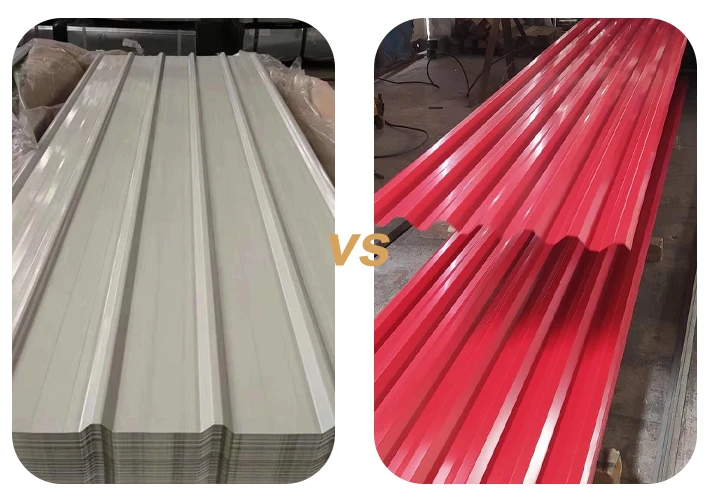
In modern construction and roofing projects, metal roof sheets remain one of the most widely used materials globally due to their durability, cost efficiency, and installation flexibility. Among the most popular profiles are IBR (Inverted Box Rib) roof sheeting and corrugated roofing sheets. Although both are metal-based roofing solutions, they differ significantly in structure, cost, lifespan, and total lifecycle value.
For contractors, importers, wholesalers, and developers, understanding the real cost comparison between IBR and corrugated roofing sheets is essential. This is especially true when evaluating material cost vs lifecycle cost, rather than only focusing on initial purchase price.
This article provides a detailed focused comparison covering:
- Raw material price differences
- Market price benchmarks (per meter / per m²)
- Installation and structural cost impacts
- Lifecycle and maintenance cost comparison
- Best application scenarios for each profile
- Global price trends and procurement strategies
What Is IBR Roof Sheeting?
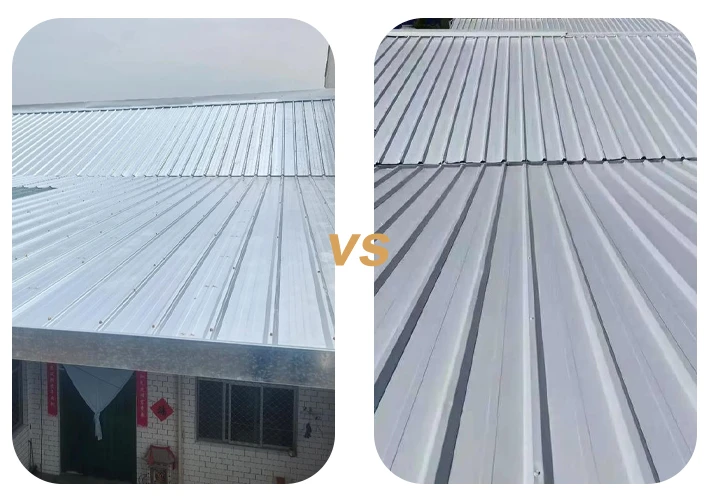
IBR roofing refers to Inverted Box Rib metal roofing profile, designed with deeper ribs and wider pans compared to traditional corrugated sheets. This design improves structural strength, load span capability, and water drainage performance.
IBR sheets are widely used in:
- Commercial buildings
- Residential roofing
- Warehouses
- Industrial plants
- Shopping centers
One major advantage of IBR roofing is that it can span longer distances between purlins, which can reduce structural support costs. Although material cost may be slightly higher, total project cost can be competitive.
Additionally, IBR roofing systems often last 30+ years with proper installation and maintenance, making them attractive for long-term projects.
What Are Corrugated Roofing Sheets?
Corrugated roofing sheets are characterized by a wave-shaped profile, offering basic strength and good water drainage performance. They are one of the oldest and most cost-effective roofing materials still widely used today.
Corrugated sheets are commonly used for:
- Agricultural buildings
- Sheds and storage structures
- Low-cost housing
- Temporary structures
- Warehouses (budget segment)
Corrugated roofing remains the most economical metal roofing option in many markets, especially for projects focused on minimizing upfront cost.
Typical lifespan depends on material and coating, but galvanized steel corrugated roofing can last 30–50 years under good conditions.
Global Market Price Comparison: IBR vs Corrugated Roofing
IBR Roof Sheet Price Benchmarks
Typical global price ranges:
- Galvanized steel IBR (0.4mm): $8 – $12 per linear meter
- PVDF coated IBR (0.5mm): $12 – $18 per meter
- Aluminum IBR (0.5mm): $20 – $30 per meter
Bulk purchases often reduce price by 10–15% depending on volume.
Regional installed cost example:
- IBR installed cost: R500 – R700 per m²
- Some premium coated versions exceed this range.
Corrugated Roofing Price Benchmarks
Typical global price ranges:
- Galvanized corrugated steel: $3 – $7 per sq ft installed
- Aluminum corrugated: $7 – $12 per sq ft installed
- Fiberglass corrugated panels: $2 – $4 per panel (low durability segment)
Regional installed cost example:
- Corrugated installed cost: R450 – R600 per m²
- Lower entry-level corrugated systems can be even cheaper depending on thickness.
Direct Installed Cost Comparison (Real Market Example)
| Profile | Installed Cost Range |
|---|---|
| Corrugated | R450 – R600 / m² |
| IBR | R500 – R700 / m² |
This shows IBR is typically 5% – 20% higher upfront cost, depending on coating and thickness.
Material and Structural Cost Factors
1.Thickness (Gauge / BMT)
Thickness strongly affects price and durability.
Common roofing thickness ranges include:
- 0.35mm – wall cladding or budget use
- 0.42mm – light roofing
- 0.48mm – standard roofing
- 0.55mm+ – heavy duty roofing
Thicker sheets cost more but offer longer lifespan and better dent resistance.
2.Coating System
Common coating types:
- Zinc / Galvanized
- Aluzinc / Galvalume
- PVDF
- Color coated polyester
High-performance coatings significantly increase price but extend corrosion resistance, especially in coastal environments.
3.Structural Span Capability
IBR sheets allow wider purlin spacing due to stronger rib structure. This can reduce:
- Steel structure cost
- Installation labor
- Fastener count
In some projects, this partially offsets higher sheet material cost.
Lifecycle Cost Comparison
IBR Lifecycle Economics
Advantages:
- Longer service life (30+ years typical)
- Lower maintenance frequency
- Better water tightness
- Higher wind resistance
Higher initial price but often lower total lifecycle cost.
Corrugated Lifecycle Economics
Advantages:
- Lowest upfront cost
- Easy replacement
- Simple installation
Disadvantages:
- Lower structural strength
- May need more support structure
- Can require more maintenance over time
Corrugated is often chosen for short-term or budget-driven projects.
Installation Cost Differences
Installation cost depends on:
- Roof pitch
- Accessibility
- Labor market
- Project complexity
- Accessories (flashing, insulation, ridge caps)
Typical additional cost items include:
- Inspection: R1,000 – R1,800
- Removal: R50 – R100 per m²
- Flashing: R150 – R350 per linear meter
These costs apply regardless of profile but can vary depending on installation complexity.
Market Use Case Comparison
When to Choose IBR Roofing
Best for:
- Commercial buildings
- Modern residential projects
- Long-span roofing
- High wind areas
- Premium architectural appearance
When to Choose Corrugated Roofing
Best for:
- Agricultural buildings
- Budget housing
- Storage facilities
- Temporary structures
- Cost-sensitive projects
Global Supply Chain and Price Trends
Key price drivers include:
Steel Raw Material Price
Steel cost volatility directly impacts roofing sheet prices globally.
Coating Technology Upgrades
PVDF and AZ200 coatings raise costs but improve lifespan and warranty value.
Freight and Export Cost
Import/export pricing fluctuates with shipping cost and global logistics demand.
Real Industry Cost Behavior (Community Insights)
Industry discussions suggest roofing quotes vary widely depending on labor, warranty, and compliance. Extremely low quotes often indicate reduced material thickness or limited warranty coverage.
Contractors also warn that thinner materials can reduce walkability and durability, highlighting the importance of verifying thickness specifications.
Long-Term Value vs Initial Cost
A typical decision matrix:
| Factor | IBR | Corrugated |
|---|---|---|
| Initial Cost | Medium | Low |
| Structural Strength | High | Medium |
| Lifespan | Longer | Medium |
| Maintenance | Lower | Higher |
| Appearance | Modern | Industrial |
How Importers and Contractors Should Evaluate Cost
Professional buyers should evaluate:
1.Thickness and coating specification
2.Supplier certification and mill test reports
3.Warranty coverage
4.Logistics and packaging
5.Project lifespan requirement
Cheap sheets without clear specifications may indicate lower base metal quality.
Conclusion
IBR roof sheeting and corrugated roofing sheets both play important roles in global construction markets, but they target different cost-performance segments.
Corrugated Roofing = Lowest upfront cost + wide basic applications
IBR Roofing = Higher structural performance + better long-term value
Although IBR sheets typically cost 5–20% more upfront, their longer lifespan, better strength, and reduced structural requirements can make them more cost-effective over the full building lifecycle.
For commercial, export, or long-term projects, IBR roofing is often the better strategic investment. For budget-driven or temporary projects, corrugated roofing remains the most economical choice.