Black annealed wire is one of the most widely used binding and tying materials in construction, packaging, agriculture, and manufacturing industries. For global buyers, understanding black annealed wire specifications is essential for selecting the right product, ensuring compliance with project standards, and controlling procurement costs.
As a professional Chinese manufacturer, Roofglory supplies black annealed wire for global wholesale and project supply, offering customized diameter, tensile strength, packaging, and export solutions for B2B customers.
This comprehensive guide explains black annealed wire specifications in detail — including materials, mechanical properties, diameter standards, production process, and international quality requirements.
What is Black Annealed Wire?
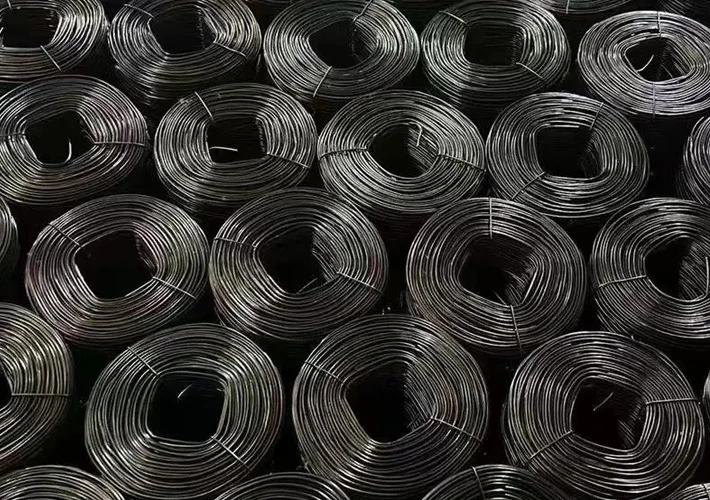
Black annealed wire is a low-carbon steel wire that has undergone an annealing heat treatment process. After annealing, the wire becomes softer, more flexible, and easier to bend without breaking.
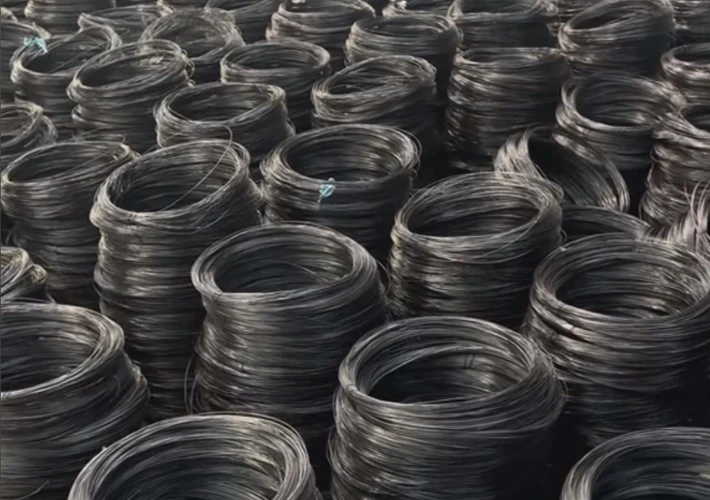
The wire gets its black surface color from oxidation during the annealing furnace process. Unlike galvanized wire, it usually has no zinc coating, which is why it is typically used indoors or in dry environments.
Key Characteristics
- Excellent flexibility and softness
- Good tensile strength balance
- Easy tying and binding
- Low production cost
- Smooth black oxidized surface
Low carbon steel such as Q195 or SAE 1008 is commonly used because its low carbon content ensures softness and workability.
Black Annealed Wire Chemical Material Specifications
Typical Raw Material Grades
Most black annealed wire is made from:
- Q195 low carbon steel
- Q235 low carbon steel
- SAE1006 / SAE1008
These materials provide a good balance between strength and ductility.
Typical Chemical Composition (Q195 Example)
- Carbon: ≤0.12%
- Manganese: 0.30–0.60%
- Sulfur: ≤0.045%
- Phosphorus: ≤0.045%
Low carbon ensures high ductility, while manganese improves strength performance.
Black Annealed Wire Diameter and Gauge Specifications
Diameter is one of the most important purchasing parameters.
Common Diameter Range
Typical production range:
- 0.15 mm – 5.0 mm
- Some factories can produce up to 6.0 mm or more
Common commercial diameters:
- 0.5 mm
- 0.7 mm
- 1.0 mm
- 1.2 mm
- 1.6 mm
- 2.0 mm
- 2.5 mm
These sizes are widely used in construction binding and industrial packaging.
Standard Wire Gauge Range
Black annealed wire is often supplied in:
5# – 38# gauge range
Equivalent to roughly:
0.17 mm – 4.5 mm
Mechanical Performance Specifications
Tensile Strength
Typical tensile strength:
300 – 500 MPa
Or:
35 – 55 kg/mm²
Annealing reduces hardness but keeps enough strength for binding and tying tasks.
Elongation
Typical elongation:
- 10% – 25%
- High ductility improves bending performance
Yield Strength (Typical)
Some industrial binding wires:
- Around 220 – 320 MPa
Black Annealed Wire Surface and Finish Specifications
Surface Types
1.Dry black surface
2.Light oil coated surface
Oil coating helps prevent rust during storage and shipping.
Appearance
- Black oxidized finish
- Smooth surface
- No zinc coating
Production Process Specifications
Standard Manufacturing Flow
1.Wire rod selection (Q195 / Q235)
2.Pickling and cleaning
3.Wire drawing
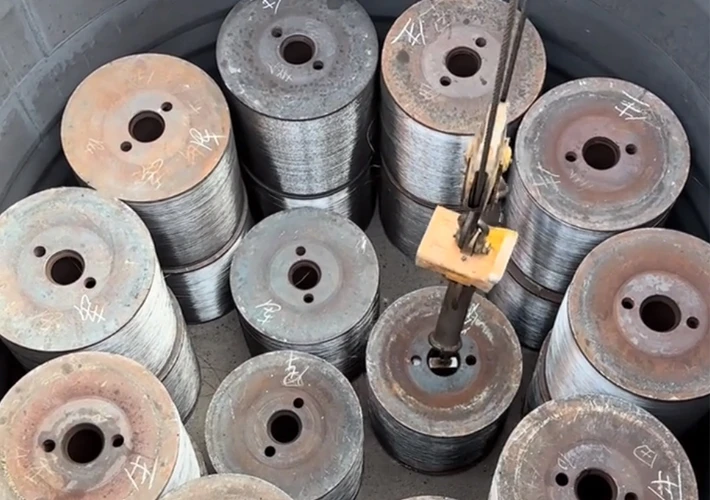
4.Annealing heat treatment
5.Optional oil coating
6.Coiling and packaging
Annealing Temperature
Typically around high furnace temperature (often around 900–1000°C industrially), which softens the steel and improves flexibility.
Packaging and Coil Specifications
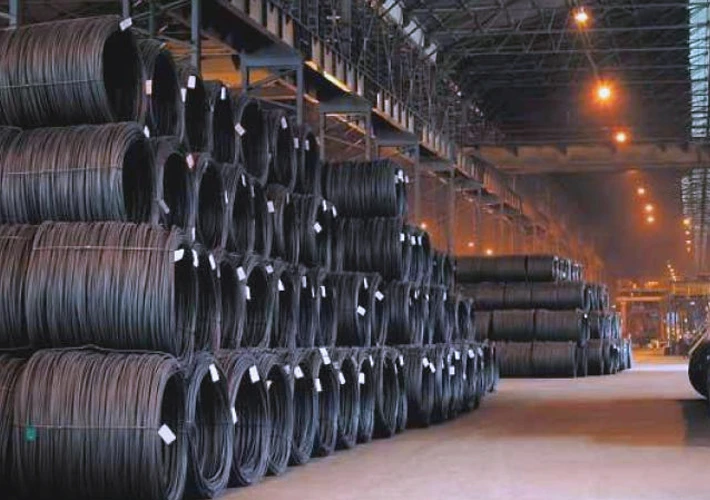
Coil Weight Range
Small coils:
- 0.5 kg – 10 kg
Medium coils:
- 25 kg – 50 kg
Large industrial coils:
- Up to 1000 kg
Packaging Methods
- Plastic film inner layer
- Woven bag or hessian outer layer
- Pallet packaging for export
Black Annealed Wire Application Specifications by Diameter
Thin Wire (0.16 – 0.6 mm)
Applications:
- Craft industry
- Light binding
- Agriculture
Medium Wire (0.7 – 2.0 mm)
Applications:
- Rebar tying
- Construction binding
- Packaging
Thick Wire (2.0 – 5.0 mm)
Applications:
- Industrial baling
- Heavy construction binding
International Standards and Compliance Specifications
Black annealed wire can comply with:
- ASTM standards (process and mechanical tests)
- EN wire production standards
- ISO tensile testing standards
These ensure consistency in mechanical properties and quality control.
Why Global Buyers Choose Chinese Black Annealed Wire Manufacturers
1.Cost Advantage
China offers strong raw material supply chains and efficient production.
2.Customization Capability
Factories like Roofglory provide:
- Custom diameters
- Custom tensile strength
- Custom packaging
- OEM branding
3.Export Experience
Professional documentation and international shipping standards.
Roofglory Black Annealed Wire Specification Advantage
As a professional Chinese factory, Roofglory provides:
Product Range
- Diameter: 0.15 mm – 6.0 mm
- Tensile Strength: 300 – 500 MPa
- Coil Weight: 1 kg – 800 kg
- Material: Q195 / Q235
Custom Services
- Private label packaging
- Custom coil weight
- Custom surface treatment
- Export pallet solutions
Quality Control
- Raw material chemical inspection
- Furnace annealing temperature monitoring
- Tensile strength batch testing
- Export packing moisture protection
Conclusion
Black annealed wire specification mainly includes:
- Material grade (Q195 / low carbon steel)
- Diameter or gauge size
- Tensile strength and elongation
- Surface finish
- Coil weight and packaging
With its excellent flexibility, stable mechanical performance, and cost efficiency, black annealed wire remains one of the most essential industrial binding materials worldwide.
For global buyers, choosing a reliable manufacturer is key. Roofglory provides stable quality black annealed wire with full export customization support for construction, packaging, and industrial applications.