Tarpaulins are widely used protective materials across many industries, including construction, transportation, agriculture, warehousing, outdoor activities, and industrial storage. When choosing a tarpaulin, one of the most common questions buyers ask is: Which is better, canvas tarpaulin or PVC tarpaulin?
Both materials are widely available on the global market, but they differ significantly in structure, performance, durability, cost, and application suitability. This article provides a detailed and objective comparison between canvas tarpaulin and PVC tarpaulin, helping buyers, distributors, and project managers make informed decisions based on real usage needs rather than assumptions.
Understanding Canvas Tarpaulin and PVC Tarpaulin
Before comparing performance, it is essential to understand what these two materials are made of and how they are produced.
1.1 What Is Canvas Tarpaulin?
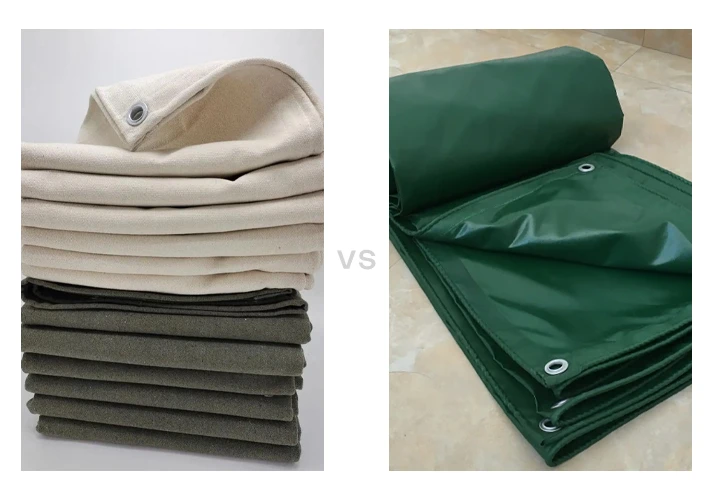
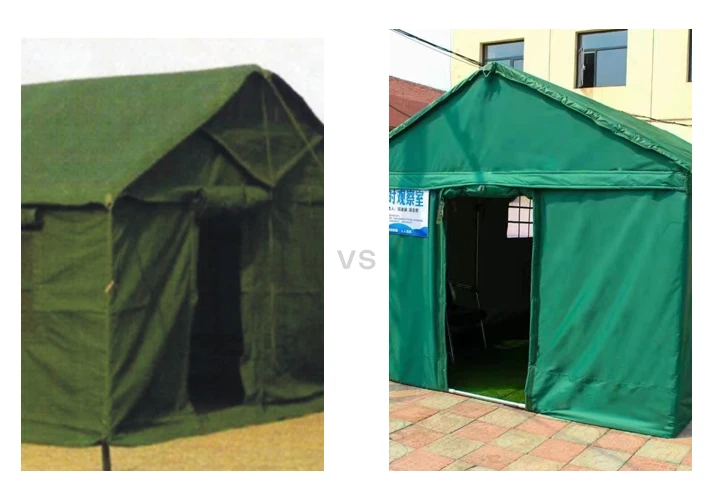
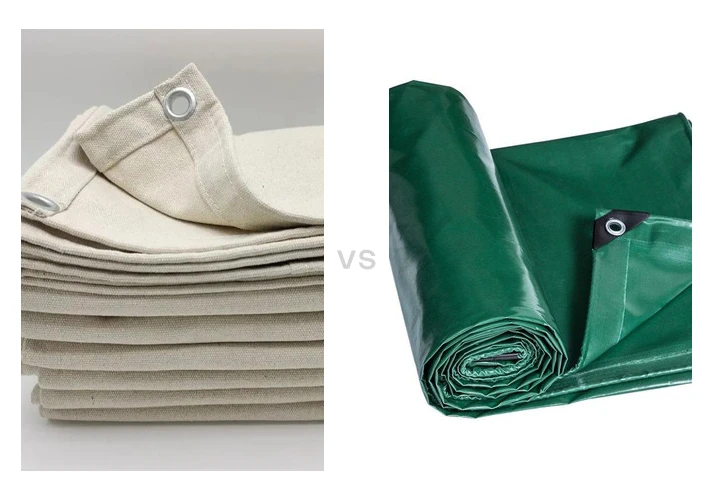
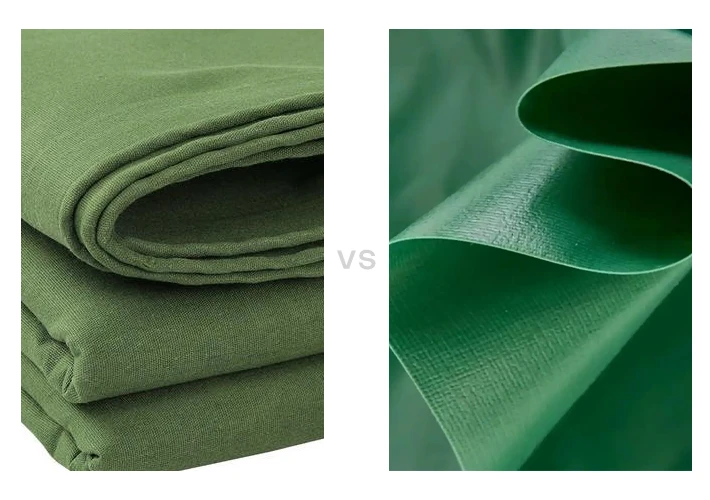
Canvas tarpaulin is typically made from cotton or polyester-cotton blended fabric. The base fabric is woven tightly and then treated with waterproofing agents such as wax, oil, or chemical coatings. Historically, canvas tarpaulin has been used for tents, truck covers, military equipment, and outdoor shelters.
Key characteristics of canvas tarpaulin include:
- Natural or semi-natural fiber structure
- Good breathability
- High abrasion resistance
- Soft texture and flexibility
However, canvas itself is not fully waterproof unless treated, and its performance depends heavily on the quality of the waterproof coating.
1.2 What Is PVC Tarpaulin?
PVC tarpaulin is a synthetic waterproof material made by coating or laminating polyvinyl chloride (PVC) onto a polyester fabric base. This composite structure gives PVC tarpaulin excellent resistance to water, chemicals, and environmental exposure.
PVC tarpaulin is commonly used in:
- Construction site covers
- Truck and trailer curtains
- Industrial equipment protection
- Outdoor advertising banners
- Warehousing and logistics
PVC tarpaulins can be manufactured in various thicknesses, weights, and performance grades depending on application requirements.
Raw Material Comparison: Natural vs Synthetic
The fundamental difference between canvas and PVC tarpaulin lies in their raw materials.
2.1 Canvas Tarpaulin Materials
Canvas tarpaulin is primarily made from:
- Cotton fibers
- Polyester-cotton blends
Advantages of these materials include:
- Natural texture and appearance
- Good air permeability
- Easier disposal compared to synthetic plastics
However, natural fibers tend to absorb moisture and are more vulnerable to mold and mildew if not properly treated.
2.2 PVC Tarpaulin Materials
PVC tarpaulin consists of:
- Polyester base fabric (for strength)
- PVC coating or lamination (for protection)
Advantages include:
- Complete waterproofing
- High tensile strength
- Resistance to oil, chemicals, and UV radiation
The synthetic nature of PVC allows manufacturers to modify properties such as flexibility, flame resistance, and UV stability.
Performance Comparison
Performance is the most critical factor when selecting a tarpaulin for practical use.
3.1 Waterproof Capability
PVC tarpaulin offers superior waterproof performance due to its non-porous surface. Water cannot penetrate the PVC layer, even during heavy rain or long-term exposure.
Canvas tarpaulin, by contrast:
- Relies on surface treatment for water resistance
- May allow water penetration if the coating wears off
- Performs less reliably in prolonged wet conditions
Winner: PVC tarpaulin
3.2 Weather Resistance and Durability
PVC tarpaulin performs better in harsh outdoor environments:
- Strong resistance to UV radiation
- Less affected by temperature changes
- Resistant to mold and mildew
Canvas tarpaulin:
- Can degrade under prolonged sunlight
- Is more sensitive to humidity
- Requires frequent maintenance in outdoor use
Winner: PVC tarpaulin
3.3 Strength and Tear Resistance
PVC tarpaulin typically uses high-strength polyester scrim as its base, providing:
- High tensile strength
- Excellent tear resistance
- Better load-bearing capacity
Canvas tarpaulin offers good abrasion resistance but generally lower tensile strength.
Winner: PVC tarpaulin
3.4 Flexibility and Handling
Canvas tarpaulin is:
- Softer and more flexible
- Easier to fold and handle
- Quieter in windy conditions
PVC tarpaulin:
- Slightly stiffer, especially in cold environments
- Heavier depending on thickness
Winner: Canvas tarpaulin
Manufacturing Process Differences
4.1 Canvas Tarpaulin Production
The production process typically includes:
1.Fabric weaving
2.Waterproof treatment (waxing or chemical coating)
3.Drying and curing
4.Cutting and finishing
The final quality depends largely on the effectiveness of the waterproof treatment.
4.2 PVC Tarpaulin Production
PVC tarpaulin is produced through:
1.Polyester fabric preparation
2.PVC coating or lamination
3.Heat bonding and calendaring
4.Surface finishing and inspection
This process ensures consistent quality and performance across large batches.
Application Scenarios
Choosing the right tarpaulin depends heavily on how and where it will be used.
5.1 Construction and Industrial Protection
PVC tarpaulin is preferred due to:
- Long-term waterproofing
- High durability
- Resistance to debris and chemicals
Typical uses include:
- Building material covers
- Machinery protection
- Temporary site enclosures
5.2 Transportation and Logistics
PVC tarpaulin is widely used for:
- Truck covers
- Trailer curtains
- Cargo protection
Its strength and weather resistance make it ideal for long-distance transport.
5.3 Agriculture and Farming
Both materials are used depending on needs:
- Canvas tarpaulin is suitable for short-term shading and breathable covers
- PVC tarpaulin is better for rain protection and long-term outdoor use
5.4 Outdoor Events and Camping
Canvas tarpaulin is often chosen for:
- Tents and shelters
- Camping ground covers
- Decorative outdoor setups
Its natural look and breathability offer better comfort.
Cost and Long-Term Value
6.1 Initial Cost
- Canvas tarpaulin generally has a lower purchase price
- PVC tarpaulin costs more due to materials and manufacturing complexity
6.2 Service Life
PVC tarpaulin typically lasts:
- Several years in outdoor conditions
- Longer with minimal maintenance
Canvas tarpaulin:
- Has a shorter lifespan outdoors
- Requires re-treatment to maintain performance
When considering replacement and maintenance costs, PVC tarpaulin often provides better long-term value.
Environmental Considerations
7.1 Canvas Tarpaulin
Advantages:
- Made from natural fibers
- Easier to dispose of
- Lower environmental impact during degradation
7.2 PVC Tarpaulin
Considerations:
- Synthetic plastic material
- Requires specialized recycling processes
- Longer service life reduces replacement frequency
Environmental preference depends on local regulations and sustainability priorities.
Maintenance and Care
8.1 Canvas Tarpaulin Maintenance
- Keep dry when stored
- Clean regularly to prevent mold
- Reapply waterproof coating when needed
8.2 PVC Tarpaulin Maintenance
- Clean with mild detergent
- Avoid prolonged contact with sharp objects
- Store away from extreme heat
PVC tarpaulin generally requires less maintenance.
How to Choose the Right Tarpaulin
Choose canvas tarpaulin if:
- Breathability is important
- The application is short-term
- A natural appearance is preferred
- Budget is limited
Choose PVC tarpaulin if:
- Strong waterproofing is required
- Long-term outdoor exposure is expected
- High strength and durability are needed
- Industrial or commercial use is involved
Frequently Asked Questions
Is canvas tarpaulin fully waterproof?
Not by nature. Its waterproof performance depends on surface treatment and maintenance.
Does PVC tarpaulin crack over time?
High-quality PVC tarpaulin with UV stabilizers resists cracking and aging effectively.
Which tarpaulin is better for industrial use?
PVC tarpaulin is generally the better choice for industrial and commercial environments.
Final Conclusion
So, which is better: canvas tarpaulin or PVC tarpaulin?
There is no single answer that fits all situations. The better option depends on application requirements, environmental conditions, budget, and expected service life.
- For heavy-duty, long-term, and outdoor use, PVC tarpaulin is the superior choice.
- For short-term, breathable, and environmentally friendly applications, canvas tarpaulin remains a practical option.
By understanding the strengths and limitations of each material, buyers can select the most suitable tarpaulin and achieve the best balance between performance, cost, and durability.