In reinforced concrete construction, steel reinforcement bars (rebars) play a critical role in ensuring structural integrity, load-bearing capacity, and long-term durability. Among various diameters available on the market, 10mm reinforcing bars are one of the most commonly used sizes in residential, commercial, and light industrial projects.
Understanding the yield strength and tensile strength of 10mm reinforcing bars is essential for civil engineers, contractors, architects, and global buyers involved in construction material sourcing. These mechanical properties directly affect structural safety, compliance with international standards, and overall project performance.
This article provides a comprehensive, technical guide to 10mm rebar yield strength and tensile strength, covering standards, material grades, manufacturing processes, testing methods, applications, and sourcing considerations.
What Is a 10mm Reinforcing Bar?
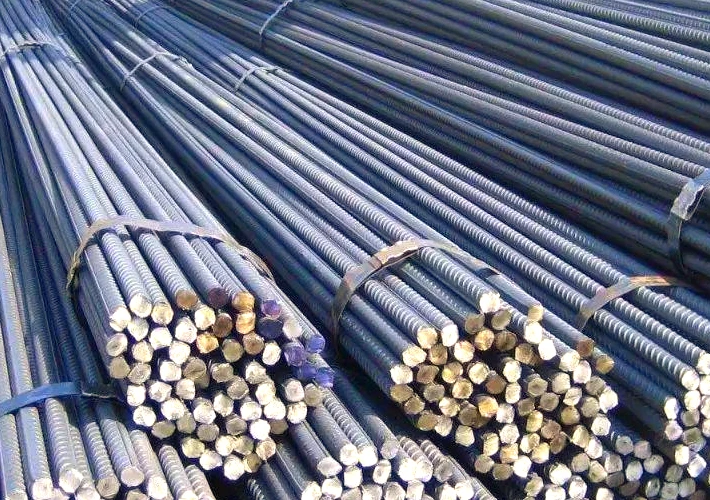
A 10mm reinforcing bar refers to a steel rebar with a nominal diameter of 10 millimeters, typically used to reinforce concrete structures by compensating for concrete’s low tensile strength.
Key Characteristics of 10mm Rebar
- Nominal diameter: 10 mm
- Cross-sectional area: approx. 78.5 mm²
- Common length: 6 m, 9 m, 12 m (custom lengths available)
- Surface type: deformed (ribbed) or plain
- Material: carbon steel or low-alloy steel
Because of its moderate size, 10mm rebar is widely used in:
- Slabs on grade
- Beams and columns (secondary reinforcement)
- Residential foundations
- Floor reinforcement
- Walls and small structural members
Understanding Yield Strength and Tensile Strength
Before analyzing the mechanical performance of 10mm reinforcing bars, it is essential to clearly distinguish yield strength from tensile strength.
Yield Strength Explained
Yield strength is the stress level at which steel begins to undergo permanent (plastic) deformation. Beyond this point, the rebar will not return to its original shape even after the load is removed.
In reinforced concrete design:
- Yield strength defines the maximum usable stress in structural calculations
- It determines load capacity and safety margins
- Design codes rely heavily on yield strength values
Tensile Strength Explained
Tensile strength, also known as ultimate tensile strength (UTS), is the maximum stress the steel can withstand before fracture.
Key points:
- Tensile strength is always higher than yield strength
- It indicates the steel’s resistance to rupture
- Important for understanding ductility and failure behavior
Typical Yield Strength of 10mm Reinforcing Bars
The yield strength of a 10mm rebar depends on its grade, standard, and manufacturing process.
Common Yield Strength Values by Standard
| Standard | Grade | Yield Strength |
|---|---|---|
| ASTM A615 | Grade 40 | 275 MPa |
| ASTM A615 | Grade 60 | 420 MPa |
| ASTM A615 | Grade 75 | 520 MPa |
| BS 4449 | B500B | 500 MPa |
| BS 4449 | B500C | 500 MPa |
| EN 10080 | B500 | 500 MPa |
| AS/NZS 4671 | 500N | 500 MPa |
| IS 1786 | Fe415 | 415 MPa |
| IS 1786 | Fe500 | 500 MPa |
Most Common Yield Strength for 10mm Rebar
In global construction markets, the most widely used yield strength for 10mm reinforcing bars is:
- 420 MPa (Grade 60)
- 500 MPa (B500 / Fe500)
These grades offer an optimal balance of:
- Strength
- Ductility
- Weldability
- Cost efficiency
Tensile Strength of 10mm Reinforcing Bars
Tensile strength is closely related to yield strength but varies depending on grade and standard.
Typical Tensile Strength Ranges
| Rebar Grade | Yield Strength | Tensile Strength |
|---|---|---|
| Grade 40 | 275 MPa | ≥ 415 MPa |
| Grade 60 | 420 MPa | ≥ 620 MPa |
| Grade 75 | 520 MPa | ≥ 690 MPa |
| B500B | 500 MPa | 540–650 MPa |
| Fe500 | 500 MPa | ≥ 545 MPa |

Tensile-to-Yield Ratio
Most international standards require a minimum tensile-to-yield strength ratio, typically:
- ≥ 1.08 (EN standards)
- ≥ 1.15 (seismic applications)
This ratio ensures sufficient ductility and energy absorption, especially important in earthquake-prone regions.
Factors Affecting Yield and Tensile Strength of 10mm Rebar
Several technical and manufacturing factors influence the final mechanical performance of 10mm reinforcing bars.
Steel Chemical Composition
Key elements include:
- Carbon (C): increases strength but reduces ductility
- Manganese (Mn): improves toughness
- Silicon (Si): enhances strength
- Microalloying elements (V, Nb, Ti): improve grain refinement
Low-carbon microalloyed steel is commonly used to achieve high strength with good weldability.
Manufacturing Process
Hot Rolled Mild Steel (HR)
- Lower strength
- Higher ductility
- Mostly used for Grade 40
TMT (Thermo-Mechanically Treated) Bars
- High yield and tensile strength
- Excellent ductility
- Superior fatigue resistance
- Widely used for Grade 60 and B500
TMT bars dominate modern construction due to their enhanced mechanical properties.
Rib Geometry and Surface Deformation
Deformed ribs:
- Improve bond strength with concrete
- Reduce slippage
- Improve load transfer efficiency
Rib pattern does not directly affect yield strength but plays a vital role in structural performance.
Testing Methods for Yield and Tensile Strength
Tensile Test Procedure
10mm rebars are tested according to standards such as ASTM A370 or ISO 6892.
Test steps:
1.Sample preparation
2.Mounting in tensile testing machine
3.Gradual axial loading
4.Recording stress-strain curve
5.Identifying yield point and fracture point
Key Test Results
- Yield strength (MPa)
- Tensile strength (MPa)
- Elongation percentage
- Reduction of area
These results confirm compliance with specified standards.

Why Yield Strength Matters in Structural Design
Yield strength directly affects:
- Structural safety factors
- Reinforcement quantity
- Load-carrying capacity
- Cost optimization
Using higher yield strength rebars allows:
- Reduced steel consumption
- Slimmer structural elements
- Lower overall material costs
However, higher strength must always be balanced with ductility and code compliance.
Applications of 10mm Reinforcing Bars
Residential Construction
- Slabs
- Beams
- Columns
- Staircases
Commercial Buildings
- Partition walls
- Secondary reinforcement
- Floor slabs
Infrastructure Projects
- Drainage systems
- Pavements
- Small bridges
10mm rebar is particularly suitable where moderate loads and precise reinforcement spacing are required.
International Standards for 10mm Rebar Strength
Key standards governing yield and tensile strength include:
- ASTM A615 / A706 (USA)
- BS 4449 (UK)
- EN 10080 (Europe)
- IS 1786 (India)
- AS/NZS 4671 (Australia & New Zealand)
Global buyers should always specify:
- Standard
- Grade
- Yield strength
- Tensile strength
- Testing and certification requirements
Yield Strength vs Tensile Strength: Practical Comparison
| Parameter | Yield Strength | Tensile Strength |
|---|---|---|
| Definition | Start of plastic deformation | Maximum stress before fracture |
| Importance | Structural design limit | Failure behavior |
| Value | Lower | Higher |
| Design use | Primary | Secondary |
Both values are essential, but yield strength is the key design parameter.
Common Mistakes When Selecting 10mm Reinforcing Bars
- Confusing yield strength with tensile strength
- Ignoring tensile-to-yield ratio
- Using non-certified materials
- Over-specifying strength and increasing costs unnecessarily
- Neglecting seismic or ductility requirements
Proper material selection ensures both safety and cost efficiency.
How to Specify 10mm Rebar in Purchase Orders
A complete specification should include:
- Diameter: 10mm
- Standard: ASTM / BS / EN
- Grade and yield strength
- Tensile strength requirement
- Length and tolerance
- Surface condition
- Testing and certification
Clear specifications reduce disputes and ensure compliance.
Conclusion
Understanding the yield strength and tensile strength of 10mm reinforcing bars is fundamental for safe, durable, and cost-effective construction. While tensile strength indicates ultimate resistance to failure, yield strength governs structural design and load-bearing performance.
For most modern construction projects, 10mm rebars with yield strengths of 420 MPa or 500 MPa provide an optimal balance of strength, ductility, and economy. Compliance with international standards and proper testing is essential to ensure reliable performance across residential, commercial, and infrastructure applications.
By selecting the right grade, manufacturing process, and certified supplier, engineers and buyers can ensure that 10mm reinforcing bars deliver long-term structural reliability and global code compliance.