In modern commercial and residential construction, metal stud framing has become the preferred alternative to traditional wood studs. It offers better fire resistance, dimensional stability, pest resistance, and consistency—especially in large-scale projects such as hotels, office buildings, hospitals, and prefabricated housing.
However, metal studs require a completely different fastening solution than wood framing. Choosing the wrong drywall screw can lead to stripped threads, loose panels, vibration noise, corrosion failure, or even complete wall system breakdown.
For global buyers, contractors, and distributors, understanding how to choose the correct drywall screws for metal studs is not just a technical issue—it directly impacts installation efficiency, long-term durability, and project quality control.
As a professional drywall screw manufacturer in China, Roofglory supplies drywall fastening systems to international markets, including Europe, North America, the Middle East, and Southeast Asia. In this guide, we provide a complete, professional, and practical explanation to help you select the right drywall screws for metal stud applications.
Understanding Metal Stud Systems and Their Impact on Screw Selection
Before selecting drywall screws, it is essential to understand how metal stud systems differ structurally from wood framing, and why these differences demand specific fastener designs.
Key Characteristics of Metal Stud Framing
Metal studs are typically manufactured from galvanized steel and classified by gauge thickness:
- 25 gauge (0.46 mm) – lightweight partitions
- 22–20 gauge (0.75–0.95 mm) – commercial interior walls
- 18 gauge (1.2 mm+) – load-bearing or high-impact areas
Compared with wood:
- Metal is harder and thinner
- It offers less friction grip
- Threads must cut or drill, not bite
- Fasteners must resist vibration loosening
These factors mean that drywall screws for metal studs must provide:
- High penetration efficiency
- Strong thread engagement
- Controlled drilling without burning
- Long-term corrosion resistance
Using screws designed for wood studs on metal framing is one of the most common and costly installation mistakes.
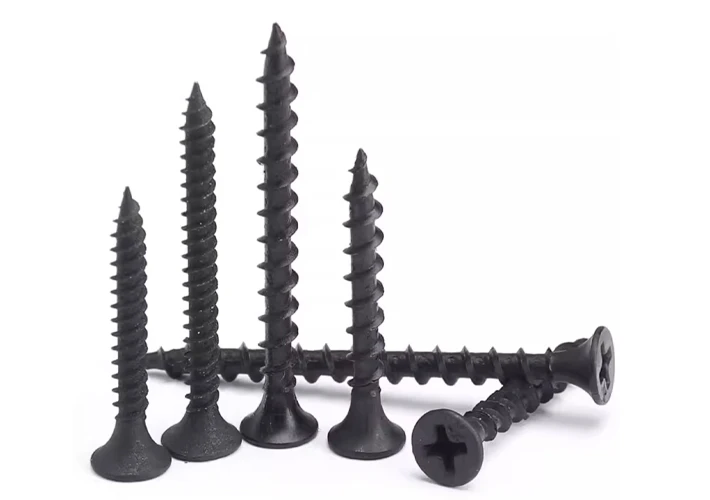
Types of Drywall Screws Suitable for Metal Studs
Drywall screws for metal studs are not a single category. The correct choice depends on metal thickness, project type, and installation method.
1.Fine Thread Drywall Screws
Fine thread drywall screws are the most commonly used fasteners for metal stud framing up to 20 gauge.
Key features:
- Closely spaced threads
- Better grip in thin steel
- Reduced stripping risk
- Smoother driving action
Typical applications:
- Standard interior partition walls
- Commercial drywall systems
- Office buildings and hotels
2.Self-Drilling Drywall Screws
For thicker metal studs (18–20 gauge), self-drilling screws (also known as TEK screws) are preferred.
Advantages:
- Built-in drill point
- No pilot hole required
- Faster installation
- Consistent penetration depth
Self-drilling screws are widely used in:
- Heavy-duty metal framing
- Industrial interiors
- Modular and prefabricated buildings
3.Bugle Head Design for Drywall
Regardless of thread type, drywall screws for metal studs should use a bugle head design.
Why bugle heads matter:
- Prevent paper tearing
- Allow flush or recessed seating
- Ensure smooth joint finishing
- Improve load distribution
At Roofglory, all drywall screws for metal stud applications are engineered with precise bugle head geometry, optimized for automated and manual installation.
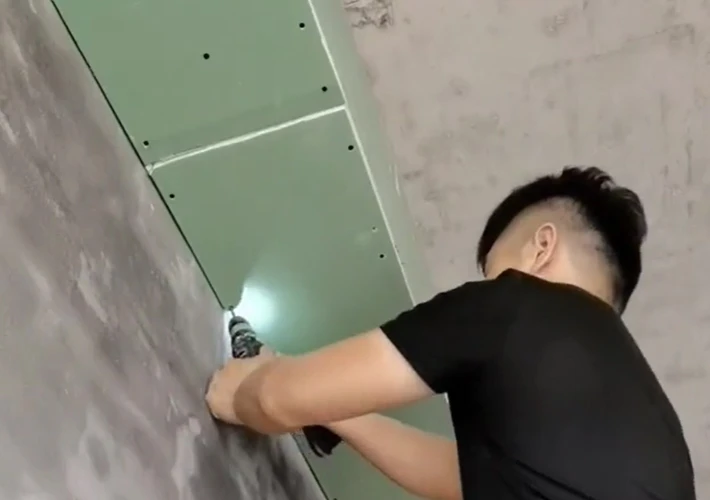
Key Technical Specifications When Choosing Drywall Screws for Metal Studs
Selecting drywall screws is not just about thread type. Professional buyers must evaluate multiple technical parameters to ensure system compatibility and compliance.
Screw Length Selection
Correct screw length ensures proper penetration without damaging the drywall core.
General guidelines:
- 12.5 mm drywall → 25–32 mm screw
- Double-layer drywall → 38–45 mm screw
- Fire-rated systems → Longer lengths required
Rule of thumb:
Screw should penetrate metal stud by at least 10 mm, but not excessively protrude.
Screw Diameter and Strength
Most drywall screws for metal studs use:
- 3.5 mm (6 gauge) diameter
This provides:
- Adequate shear strength
- Minimal stud distortion
- Compatibility with standard tools
Drill Point Geometry
For self-drilling screws:
- Sharp, symmetrical drill tip
- Controlled cutting speed
- Minimal heat buildup
Poor-quality drill points cause:
- Screw burning
- Coating damage
- Installation delays
Roofglory uses precision cold-forged drill points with strict tolerance control for consistent field performance.
Material, Coating, and Corrosion Resistance Considerations
Drywall screws may appear simple, but material and surface treatment determine their long-term reliability—especially in international projects.
Base Material
High-quality drywall screws are typically made from:
- Carbon steel C1022
- Heat-treated for hardness and toughness
Proper heat treatment ensures:
- No bending during driving
- No brittle fracture
- Stable torque resistance
Common Coatings for Drywall Screws
1.Black Phosphate
- Most common
- Good paint adhesion
- Indoor dry environments
2.Zinc-Plated
- Better corrosion resistance
- Suitable for humid interiors
3.Ruspert / Epoxy Coatings
- High corrosion resistance
- Marine or coastal projects
For export markets, Roofglory offers customized coating solutions based on climate, building codes, and customer requirements.
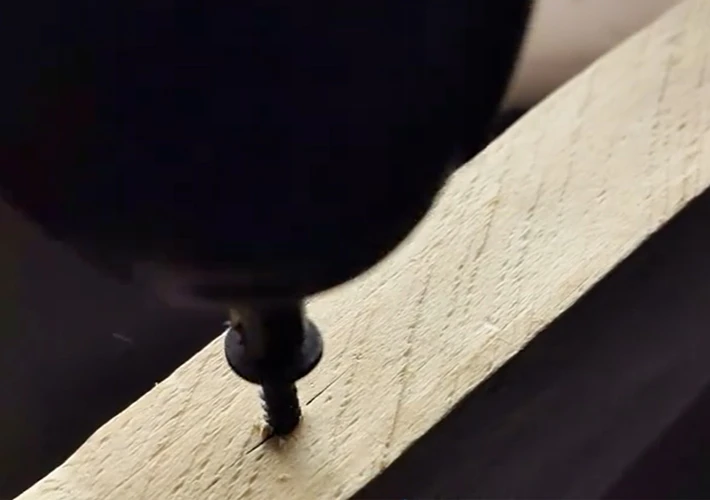
Common Mistakes to Avoid When Choosing Drywall Screws for Metal Studs
Many installation failures stem from incorrect screw selection, not material defects.
Using Coarse Thread Screws
Coarse threads are designed for wood, not metal.
Problems include:
- Poor holding strength
- Stripped metal
- Loose drywall panels
Incorrect Screw Length
Too short:
- Insufficient grip
- Panel detachment over time
Too long:
- Stud damage
- Electrical interference risk
Ignoring Corrosion Requirements
Using black phosphate screws in:
- Bathrooms
- Kitchens
- Coastal regions
This often leads to:
- Rust stains
- Screw head failure
- Premature maintenance costs
Low-Quality Manufacturing
Cheap screws may have:
- Inconsistent threads
- Weak heat treatment
- Poor coating adhesion
As a China-based factory supplier, Roofglory emphasizes process control, batch testing, and international quality standards to eliminate these risks.
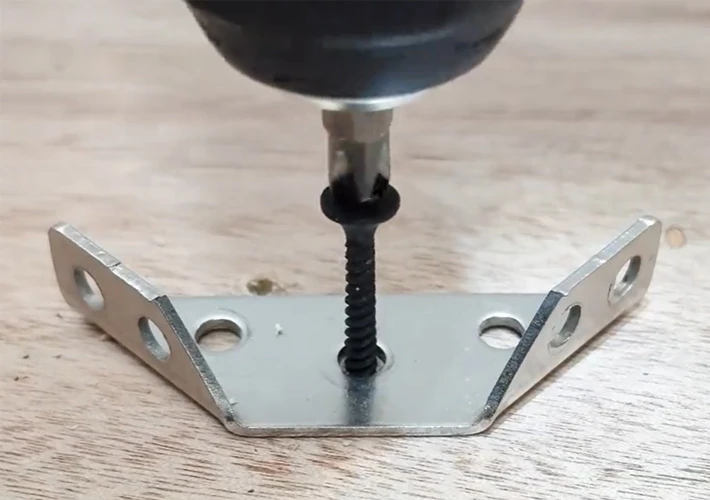
Why Global Buyers Source Drywall Screws from Roofglory China Factory
China is the world’s largest producer of drywall screws—but not all factories deliver the same quality.
Roofglory Manufacturing Advantages
- Full in-house production: wire drawing, forming, heat treatment, coating
- Strict QC: torque testing, salt spray testing, dimensional inspection
- Stable bulk supply for large projects
- OEM and private label services
- Compliance with international standards (ASTM, DIN, ISO)
Suitable for Global Markets
Roofglory drywall screws are widely supplied to:
- Construction material wholesalers
- Drywall system distributors
- Prefabricated housing manufacturers
- Large-scale contractors
By choosing a direct China factory partner, buyers gain:
- Cost efficiency
- Quality consistency
- Customization flexibility
- Long-term supply stability
Conclusion: Choosing the Right Drywall Screws for Metal Studs Is a System Decision
Drywall screws are small components—but they play a critical role in the integrity, safety, and durability of wall systems.
Choosing the right drywall screws for metal studs requires understanding:
- Metal gauge and framing type
- Thread and drill point design
- Screw length and diameter
- Coating and corrosion environment
- Manufacturing quality and consistency
For international buyers seeking reliable, scalable, and professional drywall screw solutions, working with an experienced China factory like Roofglory ensures that every screw performs exactly as intended—from installation to long-term service life.
If you are sourcing drywall screws for metal stud projects, technical clarity and supplier reliability matter more than unit price alone.