When purchasing galvanized wire for fencing, construction, agriculture, or industrial manufacturing, one of the most frequently asked technical questions from overseas buyers is: How thick is 10 gauge galvanized wire?
Although the answer can be summarized in one number, professional buyers know that wire thickness is only one part of the specification. In international trade, misunderstandings about gauge systems, coating thickness, tolerances, and strength grades often lead to incorrect purchasing decisions, installation problems, or even project delays.
As a China-based galvanized wire manufacturer and export supplier, we work with wholesale clients, distributors, and project contractors from North America, Europe, the Middle East, Africa, and Southeast Asia. In this guide, we will explain 10 gauge galvanized wire thickness in a clear, practical, and industry-focused way—based on real production standards rather than theory alone.
What Does “10 Gauge” Mean in Galvanized Wire?
The word “gauge” refers to a standardized wire size system that defines the diameter of the wire. One of the most important things buyers must understand is that gauge numbers work in reverse:
- Lower gauge number = thicker wire
- Higher gauge number = thinner wire
This rule applies across all major gauge systems.
Common Gauge Systems Used in the Market
In global galvanized wire trade, three gauge systems are commonly mentioned:
- BWG (Birmingham Wire Gauge) – most widely used for steel and galvanized wire
- AWG (American Wire Gauge) – mainly used for electrical copper wire
- SWG (Standard Wire Gauge) – sometimes used in the UK and Commonwealth markets
For galvanized steel wire, especially fencing wire, binding wire, and industrial wire, BWG is the dominant standard. Unless otherwise stated, 10 gauge galvanized wire almost always refers to 10 BWG.
As a Chinese galvanized wire factory, all our production and export specifications are clearly marked with the exact gauge system to avoid confusion for overseas buyers.
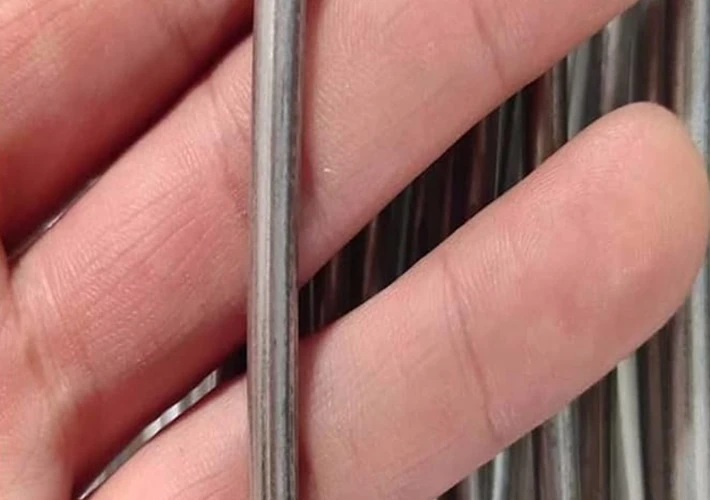
Exact Thickness of 10 Gauge Galvanized Wire (mm & inch)
So, how thick is 10 gauge galvanized wire?
Under the Birmingham Wire Gauge (BWG) standard:
- Diameter: approximately 3.25 mm
- Diameter: approximately 0.1285 inches
This measurement refers to the finished wire diameter, including the zinc coating.
Metric and Imperial Reference Table
| Gauge (BWG) | Diameter (mm) | Diameter (inch) |
|---|---|---|
| 8 gauge | ~4.06 mm | ~0.160 in |
| 10 gauge | ~3.25 mm | ~0.1285 in |
| 12 gauge | ~2.64 mm | ~0.104 in |
| 14 gauge | ~2.03 mm | ~0.080 in |
From a manufacturing perspective, 10 gauge galvanized wire is considered a medium-to-heavy wire, offering an excellent balance between strength, rigidity, and workability.
In our factory production lines, 10 gauge is one of the most frequently exported sizes, especially for fencing, agriculture, and construction projects.
Does Galvanizing Change the Thickness of the Wire?
Yes—but only slightly.
Galvanized wire is coated with zinc, which provides corrosion resistance. This zinc layer increases the overall diameter compared to bare steel wire.
Two Main Galvanizing Methods
1.Electro-Galvanized (EG) Wire
- Thinner zinc coating
- Smoother surface
- Lower corrosion resistance
- Common zinc coating: 10–30 g/m²
2.Hot-Dip Galvanized (HDG) Wire
- Thicker zinc coating
- Rougher surface
- Much stronger corrosion protection
- Common zinc coating: 40–275 g/m² (or higher for special orders)
For 10 gauge galvanized wire, the steel core diameter is slightly smaller, and after galvanizing, the finished diameter reaches approximately 3.25 mm.
As an export-oriented Chinese factory, we adjust zinc coating weight based on destination markets, such as heavier coatings for coastal regions or humid climates.
Strength, Weight, and Performance of 10 Gauge Galvanized Wire
Thickness alone does not define wire quality. Professional buyers also evaluate tensile strength and weight.
Tensile Strength Options
10 gauge galvanized wire can be produced in different strength grades:
- Low carbon soft wire: 350–550 MPa
- Medium tensile wire: 550–700 MPa
- High tensile wire: 700–1200 MPa
Each type serves different applications. For example:
- Soft wire → easy bending and tying
- High tensile wire → long-span fencing and load-bearing uses
In our manufacturing process, tensile strength is controlled through raw material selection, drawing process, and heat treatment, and every export batch can be supplied with test reports.
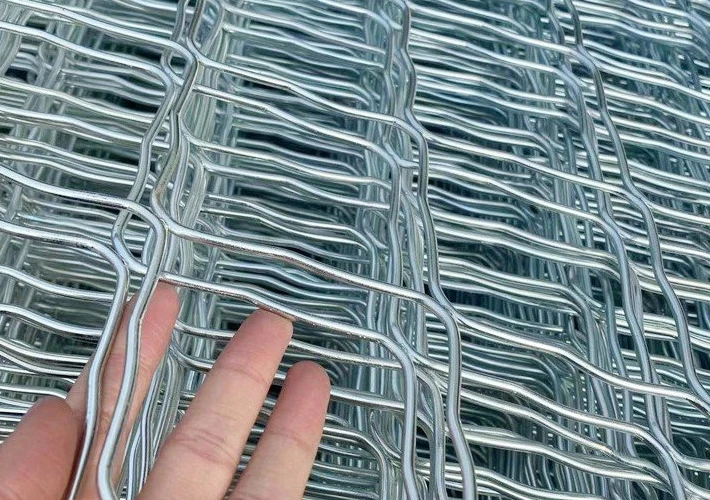
Weight of 10 Gauge Galvanized Wire
Approximate weight:
- 0.065–0.067 kg per meter
Common coil sizes for export:
| Coil Weight | Approx. Length |
|---|---|
| 10 kg | ~150 m |
| 25 kg | ~375 m |
| 50 kg | ~750 m |
Actual weight may vary slightly due to zinc coating thickness and production tolerance.
Typical Applications of 10 Gauge Galvanized Wire
Because of its 3.25 mm thickness and high strength, 10 gauge galvanized wire is widely used across many industries.
Fencing and Enclosures
- Livestock fencing
- Farm and ranch enclosures
- Security fencing
- Garden and perimeter fencing
The thickness provides resistance against deformation and impact.
Construction Industry
- Concrete binding and reinforcement
- Temporary structural tying
- Formwork fixing
Galvanization ensures longer service life on construction sites.
Agriculture and Horticulture
- Vineyard trellis systems
- Orchard support wires
- Greenhouse frameworks
10 gauge wire maintains tension over long periods without sagging.
Industrial Manufacturing
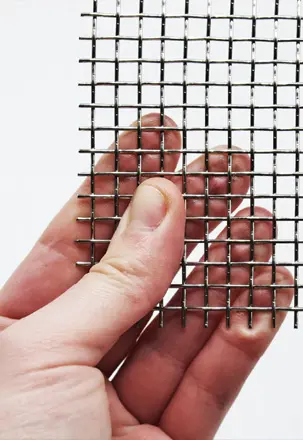
- Welded mesh production
- Gabion baskets
- Packaging and reinforcement
As a Chinese factory, a large portion of our 10 gauge output is exported for fencing systems and industrial mesh manufacturing.
Manufacturing Standards, Tolerances, and Export Considerations
Diameter Tolerance
International standards allow a small tolerance:
- Typically ±0.05 mm to ±0.08 mm
This variation is normal and acceptable in steel wire production.
Common Standards We Follow
- ASTM A641 / A641M
- EN 10244
- JIS G3547
For export orders, we confirm standard requirements before production to match local regulations and project needs.
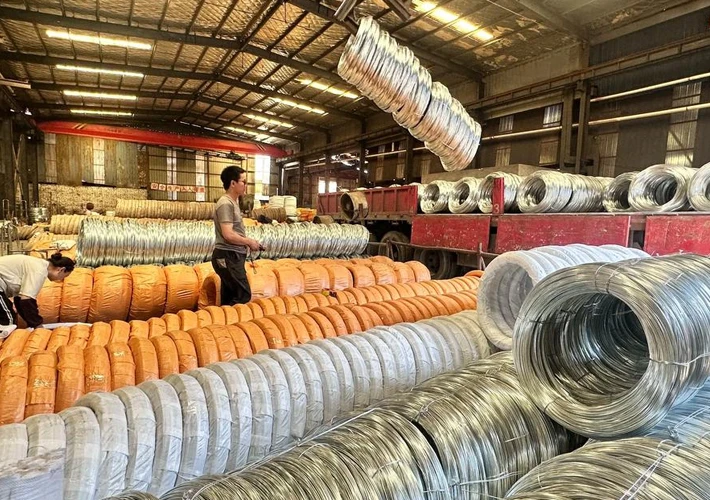
Packaging for International Shipping
Typical export packaging includes:
- Coil with plastic film + woven bag
- Steel-strapped bundles
- Palletized packaging for container loading
We also provide:
- Mill Test Certificates (MTC)
- Zinc coating reports
- Tensile strength test data
These documents help overseas buyers with customs clearance and quality verification.
Final Summary: How Thick Is 10 Gauge Galvanized Wire?
To clearly answer the core question:
- 10 gauge galvanized wire thickness: ~3.25 mm (0.1285 inches)
- Gauge system: Birmingham Wire Gauge (BWG)
- Strength: Medium to high, depending on tensile grade
- Applications: Fencing, construction, agriculture, industrial use
- Corrosion resistance: Excellent with proper galvanization
For wholesale buyers, distributors, and project contractors, understanding these specifications is essential to selecting the right wire, right coating, and right strength level.
As a professional galvanized wire manufacturer in China, we supply 10 gauge galvanized wire with stable quality, export-ready packaging, and full technical documentation—helping global customers reduce risk and ensure long-term performance in real-world applications.