Drywall screws are one of the most frequently used fasteners in modern interior construction, yet they are often underestimated in terms of technical importance. In residential housing, commercial buildings, hotels, offices, and large-scale renovation projects, drywall screw size selection directly affects installation efficiency, structural stability, surface finishing quality, and long-term durability of wall and ceiling systems.
For contractors, developers, and international buyers sourcing drywall screws in bulk, understanding common drywall screw sizes and their correct applications is not optional. It is a fundamental requirement for quality control, cost management, and compliance with building standards. This article provides a comprehensive, professional overview of drywall screw sizes, focusing on real-world construction scenarios and wholesale procurement considerations.
What Are Drywall Screws and Why Size Selection Matters
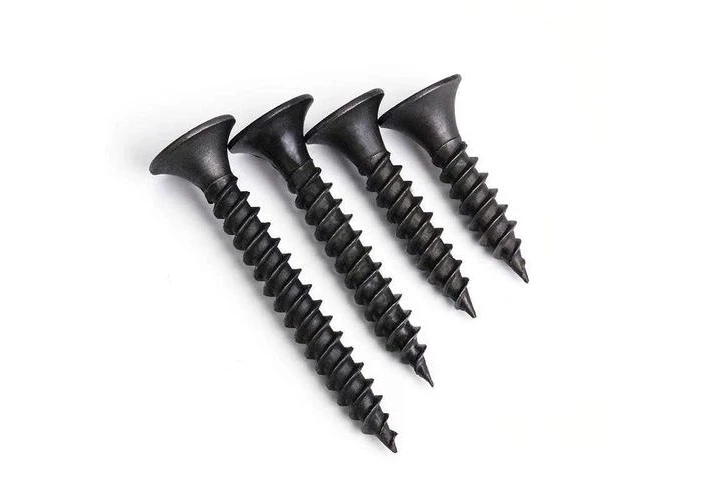
Drywall screws are specialized fasteners designed specifically for attaching drywall (also known as gypsum board or plasterboard) to structural framing such as wood studs or metal studs. Unlike general-purpose screws, drywall screws are engineered to meet the unique requirements of drywall installation.
They typically feature a bugle-shaped head, a sharp or self-drilling tip, and thread designs optimized for either wood or metal framing. These design characteristics allow drywall screws to sit flush with the drywall surface without tearing the paper layer, while maintaining strong holding power inside the framing material.
Why Screw Size Is Critical in Drywall Systems
The size of a drywall screw—primarily its length—determines how deeply the screw penetrates into the stud behind the drywall. Building codes and industry best practices generally require the screw to penetrate the framing by at least 20 mm (approximately 3/4 inch) to ensure adequate holding strength.
If the screw is too short:
- It may fail to anchor securely into the stud
- Drywall panels can loosen over time
- Cracking, screw pops, and joint failure may occur
If the screw is too long:
- The screw may over-penetrate and damage wiring or plumbing
- Installation becomes slower and less efficient
- There is a higher risk of cracking the drywall core
In large-scale projects such as hotels, apartments, and commercial buildings, incorrect screw size selection can lead to systematic quality issues, increased labor costs, and costly rework.
Importance for Professional and B2B Projects
For professional contractors and international buyers, drywall screw size selection is not based on guesswork. It is determined by:
- Drywall thickness
- Framing material
- Number of drywall layers
- Fire-rating or acoustic requirements
- Local building regulations
Understanding these factors ensures consistent installation quality across thousands or even millions of screws used in a single project.
How Drywall Screw Sizes Are Defined
Drywall screw sizes are defined using two main parameters: diameter (gauge) and length. While both are important, length plays a far more critical role in drywall applications.
Screw Diameter (Gauge)
Most drywall screws are manufactured in #6 gauge, which has become the industry standard worldwide. This gauge provides an optimal balance between strength, ease of driving, and compatibility with automatic screw guns.
Thicker gauges such as #7 or #8 are sometimes used for heavy-duty or specialty applications, but they are not common in standard drywall installation.
Screw Length Measurement
Drywall screw length is measured from:
- The underside of the screw head
- To the very tip of the screw
This measurement ensures consistency regardless of head shape. Common drywall screw lengths range from 1 inch to 3 inches, covering nearly all drywall installation scenarios.
Inch-Based vs Metric Sizing
In international trade, drywall screws may be specified using either inch-based or metric measurements.
Typical conversions include:
- 1 inch ≈ 25 mm
- 1-1/4 inch ≈ 32 mm
- 1-5/8 inch ≈ 41 mm
- 2 inch ≈ 50 mm
- 2-1/2 inch ≈ 65 mm
- 3 inch ≈ 75 mm
For export buyers, it is essential to confirm size equivalency and tolerance, especially when supplying projects that follow American or European standards.

Common Drywall Screw Sizes and Typical Applications
Understanding the most common drywall screw sizes and where they are used is the foundation of correct product selection. Below are the widely used sizes in professional construction projects.
1-Inch Drywall Screws
1-inch drywall screws are primarily used for thin drywall boards or special applications.
Typical applications include:
- 1/4-inch drywall
- Laminating drywall to existing surfaces
- Attaching drywall to thin metal framing
These screws offer minimal penetration and are best suited for lightweight systems. They are not recommended for standard wall construction due to limited holding strength.
1-1/4 Inch Drywall Screws
The 1-1/4 inch drywall screw is the most commonly used size in the global market.
It is ideal for:
- 1/2-inch drywall
- Standard residential walls
- Commercial interior partitions
- Hotel guest room walls
This size provides sufficient penetration into both wood and metal studs while minimizing the risk of over-driving. For wholesalers and distributors, this is typically the highest-volume SKU.
1-5/8 Inch Drywall Screws
1-5/8 inch drywall screws are commonly used for:
- 5/8-inch drywall
- Fire-rated drywall assemblies
- Ceiling installations
Because ceilings experience gravity load, longer screws are required to ensure long-term stability. This size is frequently specified in commercial buildings, hospitals, and public facilities.
2-Inch Drywall Screws
2-inch drywall screws are used when additional penetration is required.
Common scenarios include:
- Double-layer drywall systems
- Soundproof or acoustic wall assemblies
- Drywall installed over resilient channels
This size is widely used in cinemas, conference rooms, and high-end residential projects where sound insulation is a priority.
2-1/2 Inch Drywall Screws
2-1/2 inch screws are designed for thicker wall assemblies.
They are suitable for:
- Multiple drywall layers
- Drywall over furring strips
- Renovation projects with uneven substrates
These screws provide deep anchoring but require controlled driving to avoid damaging drywall surfaces.
3-Inch Drywall Screws
3-inch drywall screws are considered a specialty size.
They are typically used for:
- Extra-thick assemblies
- Drywall installed over masonry with wood battens
- Non-standard framing systems
Due to their length, they are used selectively and are not common in standard inventory.
Choosing Drywall Screw Sizes by Drywall Thickness and Framing Type
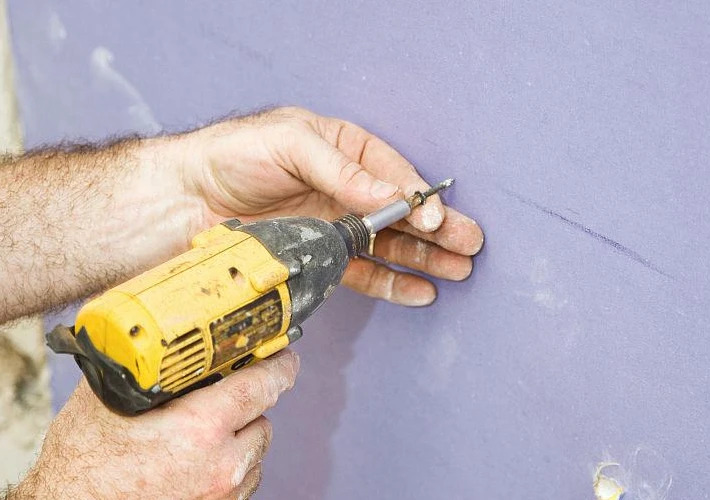
Selecting drywall screw size based on drywall thickness and framing material is the most reliable approach used by professional installers.
Screw Size by Drywall Thickness
General guidelines include:
- 1/4-inch drywall: 1 inch screws
- 3/8-inch drywall: 1 to 1-1/4 inch screws
- 1/2-inch drywall: 1-1/4 inch screws
- 5/8-inch drywall: 1-5/8 inch screws
- Double-layer 1/2-inch drywall: 2 inch screws
- Double-layer 5/8-inch drywall: 2-1/2 inch screws
These recommendations are widely accepted in North America, Europe, and the Middle East.
Wood Stud vs Metal Stud Applications
For wood studs:
- Coarse-thread drywall screws are preferred
- They provide strong grip in wood fibers
- Installation is faster with less stripping
For metal studs:
- Fine-thread drywall screws are required
- They prevent thread stripping in thin-gauge steel
- Self-drilling tips are often used for efficiency
The screw length remains largely the same, but thread design must match the framing material.
Standards, Materials, and Quality Requirements for Different Screw Sizes
Drywall screws used in professional projects must meet strict quality and performance standards.
International Standards
Common standards include:
- ASTM and ANSI standards in North America
- EN standards and CE compliance in Europe
- Project-specific specifications in the Middle East and Asia-Pacific regions
Buyers should always confirm compliance requirements before procurement.
Materials and Surface Coatings
Drywall screws are typically made from hardened carbon steel and finished with:
- Black phosphate coating for standard interior use
- Grey phosphate coating
- Zinc coating for enhanced corrosion resistance
Larger screw sizes often require additional heat treatment to ensure sufficient torsional strength.
Quality Control Factors
Professional manufacturers test drywall screws for:
- Accurate length and diameter
- Thread consistency
- Head strength and deformation resistance
- Torque performance
- Coating adhesion and corrosion resistance
Consistent quality is especially important for automatic screw gun applications, where minor defects can cause installation failures.

Drywall Screw Size Considerations for Wholesale and Export Buyers
For importers, distributors, and project suppliers, drywall screw size planning is a key commercial decision.
Most Demanded Sizes in Global Markets
Across most regions, the highest demand is concentrated in:
- 1-1/4 inch drywall screws
- 1-5/8 inch drywall screws
- 2 inch drywall screws
Stocking these sizes ensures faster inventory turnover and broader customer coverage.
Packaging and Logistics
Drywall screws are commonly supplied in:
- Small boxes for retail
- Bulk cartons for contractors
- Large-volume packaging for project supply
Export buyers often request:
- Customized labels
- Mixed-size containers
- Palletized packaging for efficient loading
Common Purchasing Mistakes
Typical mistakes include:
- Ordering incorrect size ratios
- Ignoring framing type differences
- Overlooking local building codes
- Focusing on price while ignoring consistency
Reliable suppliers with stable production and quality control help minimize these risks.
Conclusion
Understanding common sizes of drywall screws is essential for achieving reliable, durable, and cost-effective drywall installations. From standard residential walls to complex commercial and hotel projects, correct screw size selection ensures structural integrity, smooth finishing, and long-term performance.
For professional contractors and international buyers, drywall screws are not a commodity product but a technical component that directly influences project quality. By selecting the correct sizes, materials, and standards, builders and distributors can significantly improve installation efficiency and reduce long-term maintenance issues.