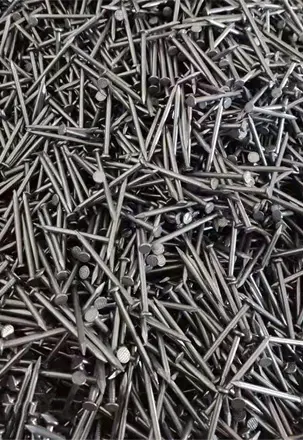
Concrete nails are one of the most widely used fastening products in the global construction and building materials industry. Although they are small in size, concrete nails play a vital role in fixing wood, metal, and decorative components directly onto concrete, brick, and masonry surfaces.
For contractors, importers, wholesalers, and project buyers, concrete nails are valued for their speed of installation, cost efficiency, and versatility. They are commonly used in residential housing, commercial buildings, renovation projects, and industrial facilities across different regions of the world.
This article provides a comprehensive explanation of what concrete nails are used for, while also covering export specifications, packaging methods, quality control standards, and international procurement considerations. It is designed to help global buyers better understand this essential hardware product from both an application and sourcing perspective.
Understanding What a Concrete Nail Is and How It Works
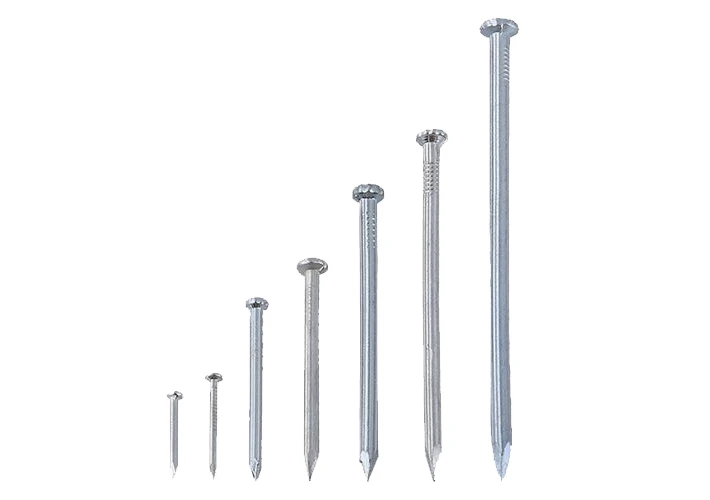
A concrete nail is a hardened fastener designed specifically for use on hard substrates such as concrete, solid brick, cement blocks, and masonry walls. Unlike ordinary nails used for wood, concrete nails are manufactured using high-carbon steel or alloy steel, followed by strict heat treatment processes to achieve high hardness and impact resistance.
Structural Characteristics of Concrete Nails
Concrete nails usually feature:
- A hardened and thick nail body to resist bending
- A sharp or diamond-shaped tip for strong penetration
- A short shank for enhanced friction and holding force
- Surface treatments such as black oxide, galvanization, or stainless steel finish
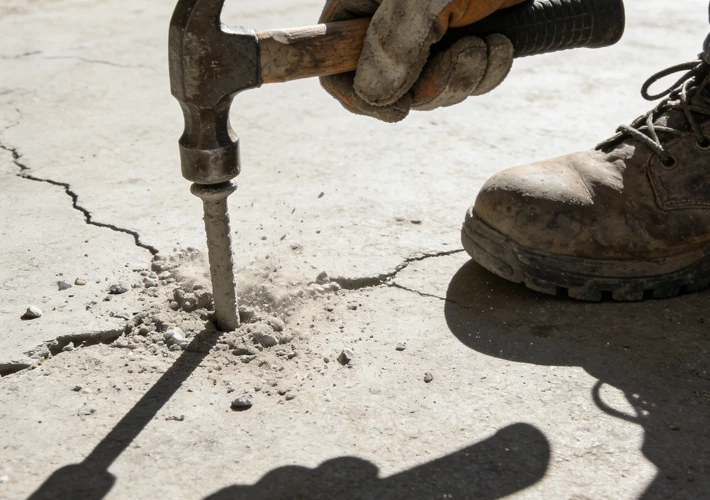
These characteristics allow concrete nails to be driven directly into hard materials using a hammer, especially in light- and medium-duty applications.
Working Principle
Concrete nails rely on:
- Material hardness to penetrate concrete
- Mechanical compression rather than expansion
- Friction between the nail shank and the substrate
This simple but effective mechanism makes concrete nails a preferred choice for fast installations where drilling is time-consuming or unnecessary.
What Is a Concrete Nail Used For in Construction and Decoration
Concrete nails are widely used across construction and interior decoration projects, especially where speed and efficiency are critical.
Construction Applications
In construction projects, concrete nails are commonly used to:
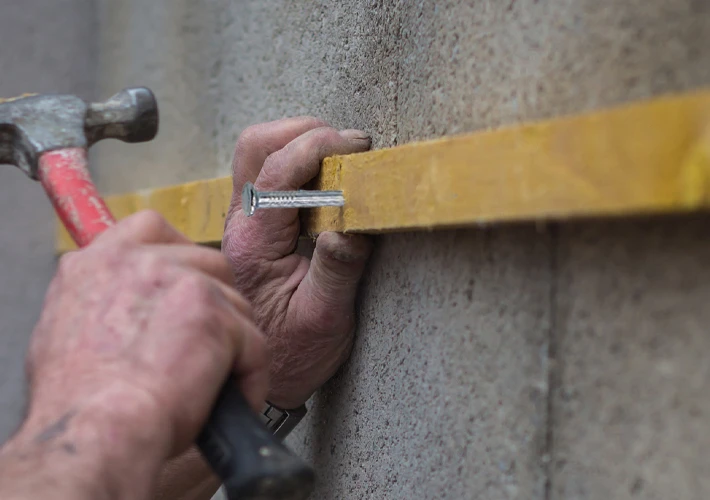
- Fix wooden battens and timber strips to concrete walls
- Secure light steel keels and metal channels
- Install door frames, window frames, and base rails
- Attach brackets, clips, and temporary fixtures
They are frequently seen in housing projects, commercial buildings, warehouses, and infrastructure works.
Interior Decoration and Renovation
In modern interior decoration, concrete nails are essential for:
- Fixing keel systems for WPC wall panels
- Installing PVC wall panels and bamboo charcoal wood veneer
- Securing ceiling frames and suspension points
- Mounting skirting boards and decorative trims
Their clean installation process makes them especially suitable for renovation projects, hotels, offices, shopping malls, and residential upgrades.
Common Types, Materials, and Specifications of Concrete Nails
Concrete nails are available in a wide range of types and specifications to meet different project requirements and regional market demands.
Common Types of Concrete Nails
- Black concrete nails: economical, suitable for indoor dry environments
- Galvanized concrete nails: zinc-coated for corrosion resistance, ideal for humid areas
- Stainless steel concrete nails: used in coastal regions and outdoor applications
- Twisted or fluted concrete nails: enhanced holding force for heavier fixtures
Materials Used
Most concrete nails are made from:
- High-carbon steel (most common, high hardness)
- Alloy steel (better toughness and durability)
- Stainless steel (excellent corrosion resistance)
Standard Sizes and Specifications
Concrete nail sizes vary by market, but common specifications include:
- Length: 20mm – 75mm
- Diameter: 2.0mm – 4.5mm
- Head type: flat head or countersunk head
Export-oriented manufacturers usually support custom sizes based on buyer requirements and local standards.
Export Packaging Methods and International Shipping Considerations
For global buyers, packaging and logistics are as important as product quality. Concrete nails are typically exported in bulk, with packaging designed to protect the product and reduce transportation costs.
Common Export Packaging Options
- Small boxes (100g, 200g, 500g, 1kg)
- Inner boxes + outer cartons
- Woven bags or plastic bags for bulk packing
- Steel drums or cartons for heavy-duty industrial use
Packaging can be customized with:
- Buyer’s brand and logo
- Barcode labels
- Multilingual product descriptions
Export and Shipping Considerations
- Moisture-proof packaging is essential for long-distance sea transport
- Galvanized or stainless steel nails are recommended for humid destinations
- Palletized packaging improves loading efficiency and safety
Professional exporters ensure packaging complies with international shipping and warehousing requirements.

Quality Control Standards in Concrete Nail Manufacturing
Quality control is a key concern for importers and distributors. Reliable manufacturers follow strict QC procedures throughout the production process.
Key Quality Control Points
- Raw material inspection: steel grade and chemical composition
- Heat treatment control: hardness consistency and brittleness prevention
- Dimensional accuracy: length, diameter, and head shape
- Surface coating inspection: uniformity and corrosion resistance
- Penetration testing: performance on concrete blocks
Common Quality Standards
Many export-oriented factories follow:
- Internal factory QC systems
- AQL inspection standards
- Customer-specified inspection protocols
Consistent quality reduces complaints, returns, and long-term business risks for wholesalers and project buyers.
How to Choose Concrete Nails for Wholesale and Project Use
When sourcing concrete nails for wholesale distribution or construction projects, buyers should consider more than just price.
Key Selection Factors
- Application environment (indoor, outdoor, humid areas)
- Required holding strength
- Compatibility with concrete hardness
- Packaging and branding needs
- Supplier production capacity and consistency
Tips for Importers and Distributors
- Request samples before bulk orders
- Confirm hardness and coating specifications
- Check packaging details carefully
- Work with suppliers experienced in export markets
A reliable supplier ensures stable quality, timely delivery, and long-term cooperation.
Conclusion: What Is a Concrete Nail Used For?
So, what is a concrete nail used for?
Concrete nails are used to efficiently fix wood, metal, and decorative components directly onto concrete, brick, and masonry surfaces, especially in light- and medium-duty applications.
They are widely applied in:
- Construction projects
- Interior decoration and renovation
- Industrial and commercial installations
From a global trade perspective, concrete nails remain a high-demand, cost-effective, and fast-moving hardware product. With proper material selection, quality control, and export packaging, concrete nails continue to play an essential role in the international building materials supply chain.
For contractors, wholesalers, and global buyers, understanding both the application value and sourcing details of concrete nails helps improve project efficiency, control costs, and build a more competitive product offering.