Tarpaulins, often referred to as tarps, are versatile protective sheets widely used across construction, logistics, agriculture, transportation, outdoor activities, and industrial storage. One of the most frequently asked questions by global buyers and end users is: what are the common sizes for tarpaulins, and how do I choose the right size for my project?
Choosing the correct tarpaulin size is not only about coverage. It directly affects cost efficiency, durability, ease of installation, safety, and long-term performance. Especially for wholesale buyers, distributors, and project contractors, understanding standard tarpaulin sizes in different markets is essential for efficient sourcing and inventory planning.
This article provides a comprehensive guide to common tarpaulin sizes, measurement standards, industry-specific size requirements, and practical selection tips, helping you make informed purchasing decisions.
Understanding Tarpaulin Size Standards and Measurement
Before discussing specific dimensions, it is important to understand how tarpaulin sizes are defined in the global market.
Cut Size vs Finished Size
Tarpaulin sizes are usually based on the cut size, which refers to the raw fabric dimensions before hemming, folding, and eyelet installation. After production, the finished size is typically 3–5% smaller due to edge reinforcement and stitching.
For example:
- A tarpaulin labeled 10 × 20 ft may have a finished size of approximately 9.5 × 19.5 ft
- A 6 × 8 m tarp may finish closer to 5.8 × 7.8 m
Buyers should always confirm whether the stated size refers to cut size or finished size, especially when ordering in bulk.
Flat Coverage vs Draped Coverage
- Flat coverage refers to the area the tarp covers when laid flat.
- Draped coverage accounts for the height and sides when covering cargo, equipment, or structures.
For most applications, it is recommended to choose a tarpaulin larger than the exact surface area to allow sufficient overhang.
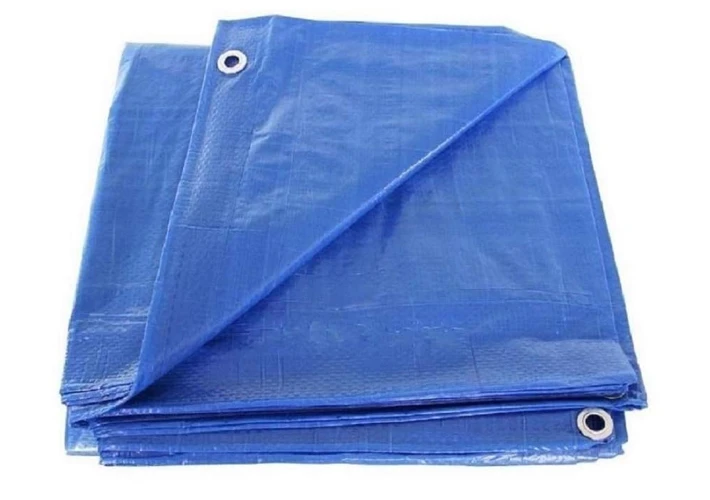
Common Tarpaulin Sizes in Feet and Meters
Tarpaulin sizes vary by region, with imperial units (feet) commonly used in North America and parts of the UK, while metric units (meters) dominate in Europe, Asia, Africa, and international trade.
Common Sizes in Feet (Imperial System)
Small sizes (light-duty, household use):
- 4 × 6 ft
- 5 × 7 ft
- 6 × 8 ft
- 6 × 10 ft
- 8 × 10 ft
Medium sizes (general-purpose, commercial use):
- 10 × 12 ft
- 10 × 15 ft
- 10 × 20 ft
- 12 × 16 ft
- 12 × 20 ft
- 15 × 20 ft
Large sizes (industrial and heavy-duty use):
- 16 × 20 ft
- 20 × 20 ft
- 20 × 30 ft
- 20 × 40 ft
- 30 × 40 ft
- 40 × 60 ft
These sizes are widely used for truck covers, construction sites, machinery protection, and outdoor storage.
Common Sizes in Meters (Metric System)
Small sizes:
- 1.5 × 2 m
- 2 × 3 m
- 3 × 4 m
- 3 × 5 m
Medium sizes:
- 4 × 5 m
- 4 × 6 m
- 5 × 6 m
- 6 × 8 m
- 6 × 10 m
Large sizes:
- 8 × 10 m
- 10 × 12 m
- 10 × 15 m
- 12 × 20 m
- 15 × 20 m
Metric sizes are preferred for international projects, government tenders, and containerized logistics.
Popular Tarpaulin Sizes by Industry Application
Different industries favor different tarpaulin sizes based on operational needs, equipment dimensions, and environmental conditions.
Construction Industry
Commonly used sizes:
- 6 × 8 m
- 8 × 10 m
- 10 × 12 m
- 10 × 15 m
Applications include:
- Temporary roofing
- Scaffolding enclosures
- Concrete curing covers
- Dust and debris control
Large construction tarps often require reinforced edges and dense eyelet spacing to withstand wind load.
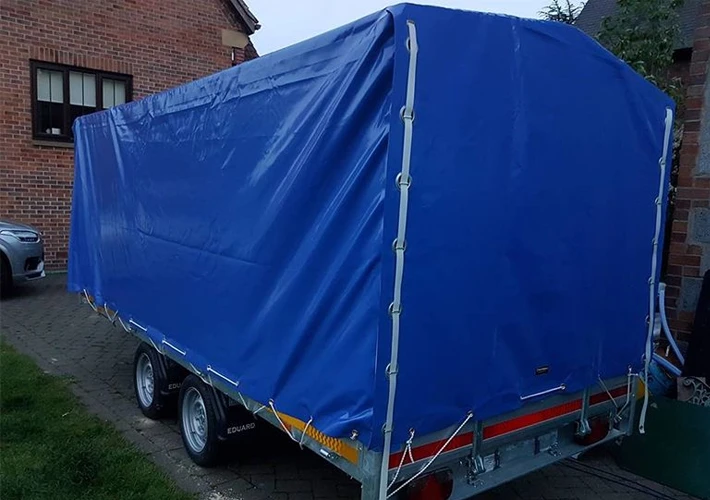
Transportation and Logistics
Commonly used sizes:
- 16 × 20 ft
- 20 × 30 ft
- 20 × 40 ft
- 6 × 10 m
- 8 × 12 m
Applications include:
- Truck and trailer covers
- Cargo protection during transit
- Container lining
- Rail and ship transport protection
Logistics tarpaulins usually prioritize waterproof performance and tear resistance.
Agriculture and Farming
Commonly used sizes:
- 10 × 20 ft
- 20 × 30 ft
- 30 × 40 ft
- 10 × 15 m
Applications include:
- Hay and grain protection
- Livestock shelters
- Greenhouse covers
- Soil and crop covering
Agricultural tarpaulins often require UV resistance and long-term outdoor durability.
Custom Tarpaulin Sizes for Wholesale and Project Buyers
While standard sizes cover most applications, custom tarpaulin sizes are increasingly popular among B2B buyers.
Why Custom Sizes Are Needed
- Non-standard equipment or machinery
- Oversized construction projects
- Special truck or container dimensions
- Reduced material waste
- Improved installation efficiency
Manufacturers can produce tarpaulins in custom lengths, widths, shapes, eyelet spacing, and reinforcement designs to meet specific project requirements.
For importers and distributors, custom sizes also allow better market differentiation and private-label opportunities.
How to Choose the Right Tarpaulin Size
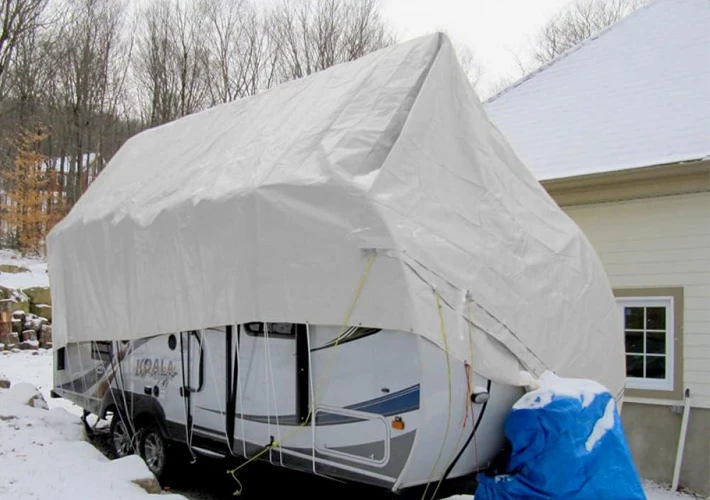
Selecting the correct tarpaulin size involves more than simply measuring length and width.
Key factors to consider:
Exact coverage area, including height and sides
Extra allowance for tying, draping, and tensioning
Environmental exposure such as wind, rain, and sunlight
Installation method (ropes, bungee cords, hooks)
Future reuse possibilities
As a general rule, choosing a tarpaulin 10–20% larger than the required coverage area provides better flexibility and safety.
Conclusion: Selecting the Right Tarpaulin Size for Your Needs
Understanding what are the common sizes for tarpaulins is essential for ensuring effective protection, cost control, and long-term usability. Whether you are sourcing tarpaulins for construction, logistics, agriculture, or retail distribution, selecting the appropriate size directly impacts performance and customer satisfaction.
Standard tarpaulin sizes in feet and meters meet most market needs, while custom sizes offer added value for specialized projects and wholesale buyers. By considering coverage requirements, industry standards, and installation conditions, you can confidently choose the right tarpaulin size for any application.
If you are a global buyer looking for reliable tarpaulin manufacturers, partnering with an experienced factory that offers both standard and custom sizes can significantly improve your supply chain efficiency and competitiveness.