Corrugated roofing sheets have long been one of the most widely used roofing materials across residential, commercial, industrial, and agricultural buildings. Their wavy profile, excellent load-bearing capacity, and durability make them a reliable solution for harsh outdoor environments. Whether you are a contractor, a project owner, or a global importer, understanding the advantages and disadvantages of corrugated roofing sheets is essential before making purchasing decisions.
This article provides a comprehensive overview of the benefits, drawbacks, material options, applications, and buying considerations of corrugated roofing sheets. It also discusses why sourcing from China has become increasingly popular among global buyers.
What Are Corrugated Roofing Sheets?
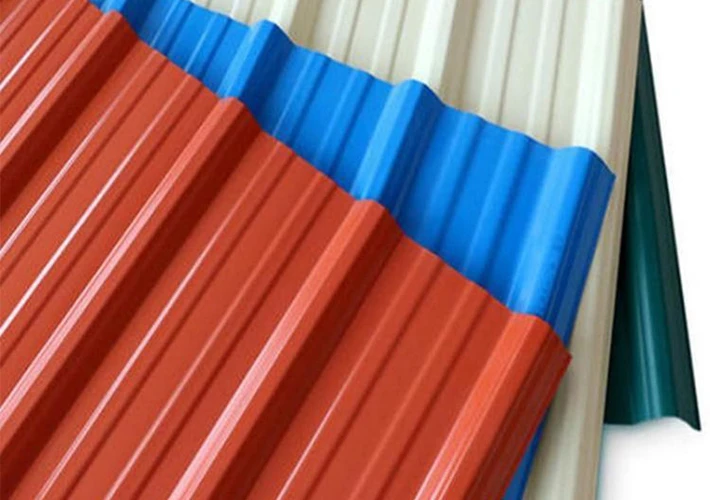
Corrugated roofing sheets are roofing panels characterized by their repetitive wave-like profiles. This corrugated design dramatically increases structural rigidity, helps distribute loads evenly, reduces water accumulation, and enhances wind resistance. These sheets can be made from a variety of materials, including:
- Galvanized iron (GI) sheets
- Galvalume/aluzinc steel sheets
- Pre-painted steel sheets (PPGI/PPGL)
- Aluminum corrugated sheets
- Fiber cement corrugated sheets
- Plastic/PVC/Polycarbonate corrugated sheets
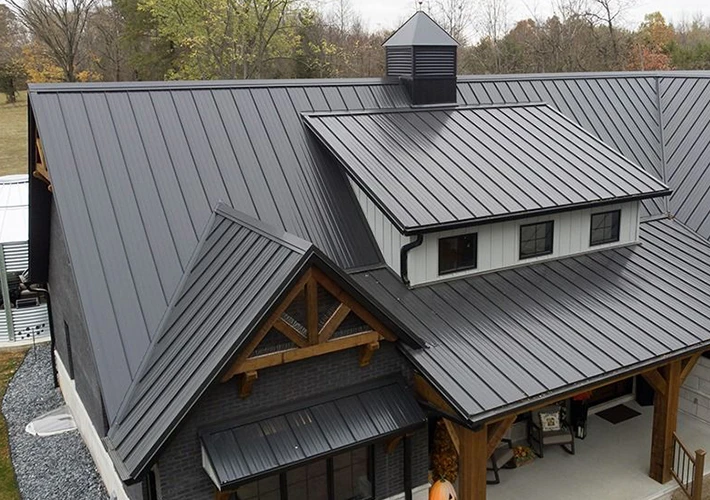
Among these, metal corrugated roofing sheets are the most widely used in the global construction market because of their durability and cost-effectiveness.
Advantages of Corrugated Roofing Sheets
2.1 High Strength and Durability
The biggest advantage of corrugated roofing sheets lies in their superior structural strength. The corrugated profile enhances load-bearing capacity, allowing the sheets to withstand:
- Heavy wind
- Snow loads
- Rain impact
- External pressure and vibration
Compared with flat roofing sheets, corrugated sheets offer much higher mechanical strength, which is why they are commonly used in industrial facilities, storage warehouses, livestock buildings, and large-span structures.
2.2 Excellent Weather Resistance
Modern corrugated roofing sheets—especially galvanized and galuzinc steel sheets—have strong resistance to harsh weather conditions such as:
- UV exposure
- Heavy rain and snow
- High humidity
- Strong coastal winds
- Salt spray (with proper coating)
When combined with polyester paint, PVDF coatings, or zinc-aluminum layers, corrugated sheets offer excellent corrosion resistance, making them suitable for coastal, tropical, or rainy regions.
2.3 Cost-Effective and Economical
Another major reason for the popularity of corrugated roofing sheets is their low cost. Compared with traditional clay tiles, concrete roofs, or aluminum panels, corrugated roofing sheets provide:
- Lower initial material cost
- Lower transportation cost due to lightweight
- Faster installation, saving labor cost
- Lower maintenance and replacement cost
Especially for large industrial buildings or warehouses, corrugated roofing sheets can greatly reduce the overall construction budget.
2.4 Lightweight and Easy to Install
Corrugated roofing sheets are significantly lighter than concrete or clay roofing materials. This brings several advantages:
- Reduces the load on the building structure
- Lowers foundation and support system costs
- Allows for quick installation with simple tools
- Reduces transportation difficulty and shipping cost
For large-scale roofing projects such as farms, factories, and workshops, lightweight corrugated sheets can drastically shorten the construction timeline.
2.5 Excellent Drainage Performance
Thanks to the wave-shaped design, corrugated roofing sheets naturally promote fast water drainage. Rainwater flows along the grooves without accumulating on the roof, reducing:
- Water leakage risks
- Rust and corrosion
- Mold and algae growth
This unique structural feature makes corrugated roofs ideal for rainy and humid regions.
2.6 Versatility in Applications
Corrugated roofing sheets can be used in a wide variety of construction projects:
- Residential houses
- Commercial buildings
- Factories and workshops
- Warehouses and logistics centers
- Agricultural barns, poultry farms, and greenhouses
- Temporary site offices and shelters
- Carports and garages
They are also widely used for wall cladding, offering both structural protection and decorative finishes.
2.7 Wide Range of Colors and Aesthetic Options
Modern corrugated roofing sheets—especially pre-painted types—are available in:
- Dozens of RAL colors
- Matte, glossy, and textured finishes
- Wood grain, stone grain, brick grain
- Custom coatings
These decorative options make corrugated roofing suitable for modern architectural designs.
2.8 Fire Resistance (For Metal Sheets)
Steel or aluminum corrugated roofing sheets are non-combustible, making them ideal for buildings requiring higher fire safety, such as:
- Industrial plants
- Warehouses
- Chemical facilities
- Public buildings
Metal roofs can prevent fire spread better than plastic or wooden roofing materials.
2.9 Long Lifespan
Depending on material and coating type:
- Galvanized steel: 10–20 years
- Aluzinc/Galvalume steel: 20–30 years
- PPGI/PPGL sheets: 15–30 years
- Aluminum sheets: 20–40 years
High-quality corrugated roofing sheets from reputable Chinese factories can even exceed 40 years of service life under proper maintenance.
Disadvantages of Corrugated Roofing Sheets
3.1 Noise During Rain and Hail
One of the most commonly mentioned drawbacks is noise. During rainy days or hailstorms, metal corrugated sheets may become noisy, causing discomfort for building occupants. While this can be minimized by:
- Adding roof insulation
- Installing sound-dampening underlayment
- Using thicker sheets
The noise factor still needs to be considered in residential construction.
3.2 Potential for Rust and Corrosion
Although metal roofing sheets are coated with zinc, aluminum, or paint layers, corrosion risks still exist if:
- The coating is scratched
- The cutting edge exposes raw metal
- Sheets are used in extremely acidic or alkaline environments
- Maintenance is poor
Coastal regions with high salt content require PPGL or PVDF-coated sheets to avoid corrosion.
3.3 Vulnerable to Dents or Deformation
Corrugated sheets—especially lightweight or thin versions (0.12mm – 0.25mm)—may deform under:
- Heavy impact
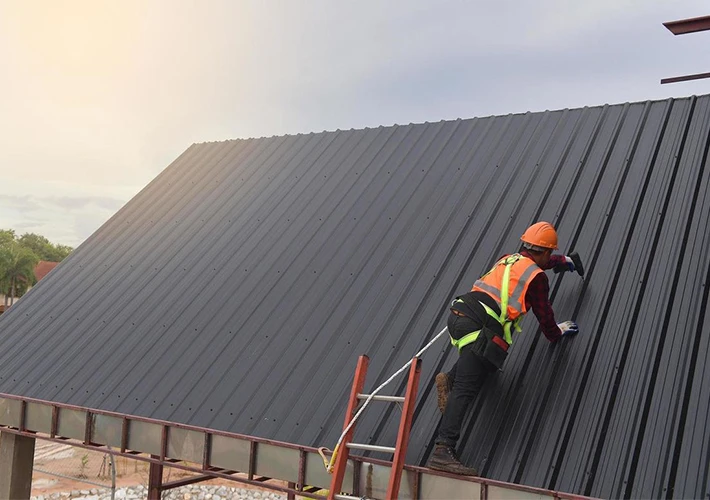
- Foot pressure during installation
- Strong storms
To avoid this, many industrial buyers prefer thicker sheets (0.35mm – 0.6mm).
3.4 Poor Insulation (For Metal Sheets)
Metal corrugated roofing sheets conduct heat and cold more easily than insulated materials. Without additional insulation, problems can occur:
- Higher indoor temperature in summer
- Heat loss during winter
- Condensation under the roof
Most industrial buildings add insulation cotton, PU foam, or aluminum foil layers.
3.5 Limited Lifespan for Non-Metal Corrugated Sheets
Some corrugated roofing sheets—such as PVC and fiber cement—may have lower durability:
- PVC sheets may yellow under UV exposure
- Fiber cement sheets can crack under heavy impact
- Polycarbonate sheets may scratch easily
Therefore, proper material selection is crucial.
3.6 Requires Professional Installation for Maximum Performance
While corrugated sheets are easy to install, improper installation may cause:
- Leakage
- Cracks
- Poor alignment
- Noise problems
- Fastener loosening
Hiring trained installers is essential for commercial and industrial roofing projects.
Types of Corrugated Roofing Sheets and Their Performance Comparison
4.1 Galvanized Corrugated Roofing Sheets (GI)
- Coated with zinc
- Good rust resistance
- Affordable
- Widely used in developing markets
4.2 Aluzinc/Galvalume Corrugated Sheets
- 55% aluminum, 43.5% zinc, 1.5% silicon
- 3–5 times more corrosion-resistant than galvanized
- Suitable for coastal regions
4.3 PPGI/PPGL Pre-Painted Sheets
- Color-coated
- Wide aesthetic options
- Enhanced corrosion resistance
4.4 Aluminum Corrugated Roofing Sheets
- Lightweight
- Rust-proof
- Longer service life
4.5 Polycarbonate/PVC Corrugated Sheets
- Lightweight
- Transparent or semi-transparent
- Used for greenhouses and skylights
4.6 Fiber Cement Corrugated Sheets
- Non-metal
- Good fire resistance
- Heavier and more fragile than metal types
Main Applications of Corrugated Roofing Sheets
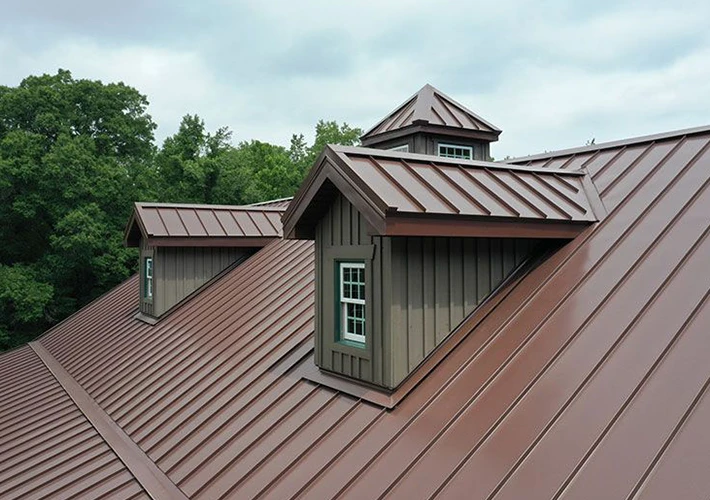
5.1 Residential Roofing
Affordable and durable for rural and suburban homes.
5.2 Commercial Buildings
Shops, garages, small offices, and retail structures.
5.3 Industrial and Warehouse Roofs
The most popular application due to the large coverage area.
5.4 Agricultural and Livestock Buildings
Corrugated sheets are widely used in:
- Barns
- Sheds
- Poultry farms
- Storage units
5.5 Temporary and Mobile Structures
Such as:
- Construction site offices
- Emergency shelters
- Prefab houses
How to Choose the Right Corrugated Roofing Sheets
6.1 Choose the Right Material
Depending on environment:
- Coastal area → PPGL or aluminum
- Humid/rainy region → Galvalume
- Budget projects → Galvanized sheets
- Greenhouses → Polycarbonate
6.2 Select the Correct Thickness
Common thickness range: 0.12mm – 0.6mm
- Residential roofing → 0.3–0.4mm
- Industrial roofing → 0.4–0.6mm
- Temporary structures → 0.12–0.25mm
6.3 Confirm Coating Type
- Zinc coating: 40–275g/m²
- Aluzinc coating: 55% aluminum
- Paint coating: PE, SMP, HDP, PVDF
6.4 Choose the Profile and Width
Common profiles:
- Trapezoidal
- Sinusoidal
- Wave-type
6.5 Work With a Reliable Supplier
A good supplier ensures:
- Stable coating quality
- Consistent thickness
- Precise wave profile
- Fast delivery
- OEM customization
Why Import Corrugated Roofing Sheets From China?
China is one of the world’s largest producers of steel and roofing materials. Importing from Chinese manufacturers offers several advantages:
7.1 Competitive Price
Due to:
- Large-scale steel production
- Automated production lines
- Mature supply chain
China offers some of the most competitive roofing sheet prices globally.
7.2 Large Production Capacity
Factories can provide:
- Fast delivery
- Customized profiles
- OEM services
- Stable supply for large orders
7.3 Advanced Coating Technology
Many Chinese factories use:
- High-speed color-coating lines
- Anti-fading PVDF coating
- Double-layer coating systems
7.4 Strict Quality Standards
Products can meet:
- ISO
- SGS
- CE
- ASTM standards
7.5 Wide Range of Options
Whether you need GI, GL, PPGI, PPGL, aluminum, or PVC corrugated sheets, Chinese suppliers can meet all requirements.
Conclusion
residential, commercial, industrial, and agricultural buildings. Their advantages—such as weather resistance, low cost, lightweight structure, and long lifespan—make them one of the most widely used roofing materials globally.
However, it is equally important to consider drawbacks such as noise, corrosion risks, insulation limitations, and the need for proper installation. By selecting the right material, coating, thickness, and manufacturer, buyers can maximize performance and durability.
For global importers, sourcing corrugated roofing sheets from China provides a significant advantage in terms of price, quality, variety, and supply stability—making it the preferred choice for many B2B buyers around the world.