Roman roof tiles have become one of the most recognizable and aesthetically pleasing roofing materials around the world. Known for their elegant curves, symmetrical profiles, and excellent performance across different climates, Roman roof tiles combine ancient architectural beauty with modern roofing technology. Whether used in residential villas, commercial buildings, or heritage-style projects, Roman tiles continue to be one of the most trusted roofing solutions.
This complete overview explains what Roman roof tiles are, their types, benefits, applications, manufacturing process, installation essentials, global market trends, and why they remain a top choice for modern roofing projects. If you are a roofing contractor, distributor, builder, or importer sourcing roofing materials from China, this guide will provide comprehensive insights to support your business decisions.
What Are Roman Roof Tiles?
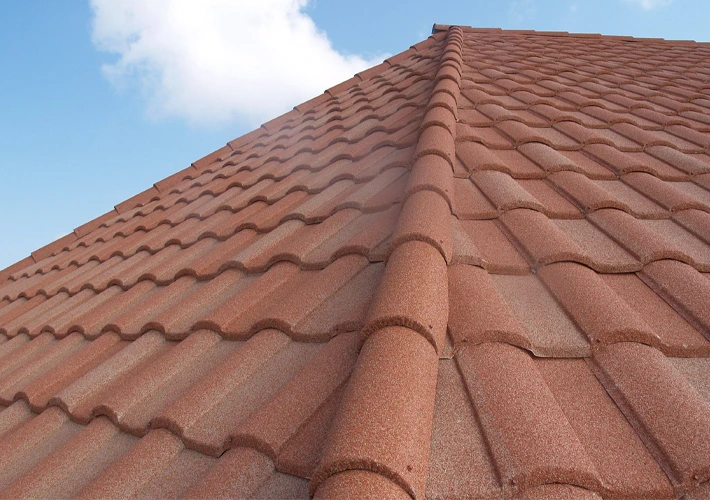
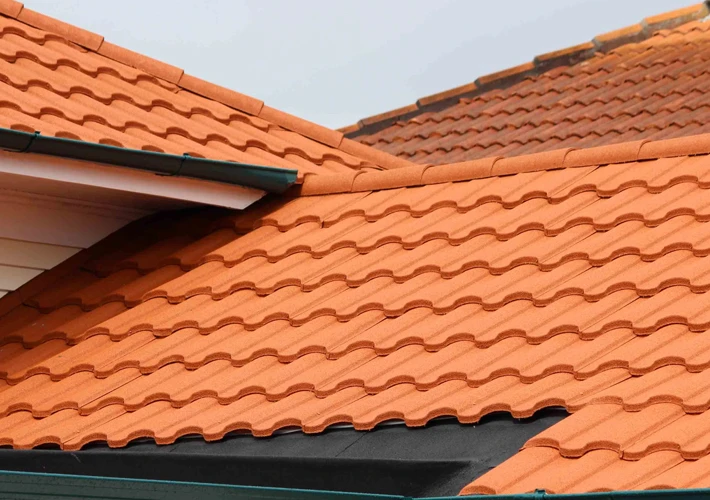
Roman roof tiles are a type of roofing tile characterized by a flat pan and a curved cover, designed to interlock and effectively channel water away from the roof structure. Their design is inspired by ancient Roman architecture, where clay or terracotta tiles were traditionally used on villas, temples, and public buildings.
Key Features of Roman Roof Tiles
- A dual-profile structure: flat tile + curved tile
- Excellent water drainage performance
- Strong visual appeal with classical Mediterranean aesthetics
- Available in various materials such as clay, concrete, ceramic, PVC, and stone-coated steel
- Suitable for warm climates, coastal regions, and areas with heavy rain
Because of their iconic S-shape or double Roman pattern, Roman roof tiles create a distinctive roofline that enhances both the value and style of modern buildings.
Types of Roman Roof Tiles
Modern Roman roof tiles come in multiple materials, each offering different characteristics in terms of durability, price, weight, and aesthetics. Below are the most commonly used types in contemporary roofing:
2.1 Clay Roman Roof Tiles
Clay is the oldest and most traditional material used for Roman roof tiles. These tiles are kiln-fired to achieve exceptional hardness and weather resistance.
Advantages:
- Natural color that ages beautifully
- High durability (50+ years)
- Fire-resistant and eco-friendly
Limitations:
- Heavier than other materials
- Higher shipping and installation cost
- Fragile during transportation
Clay Roman tiles are ideal for historical restoration, luxury villas, and Mediterranean-style architecture.
2.2 Concrete Roman Roof Tiles
These tiles are made from cement, sand, and pigments. Concrete Roman tiles are widely used in modern construction due to their durability and cost-effectiveness.
Advantages:
- Strong and impact-resistant
- Affordable compared to clay
- Can replicate clay texture and color
Limitations:
- Heavy weight
- May require structural reinforcement
- Color may fade slightly over time
Concrete Roman tiles are commonly used in residential housing developments and commercial roofing projects.
2.3 Ceramic Roman Roof Tiles
Ceramic Roman tiles use a refined firing process that produces a glossy, durable finish with excellent water absorption resistance.
Advantages:
- Smooth and elegant appearance
- Highly resistant to moisture
- Available in vibrant colors
Limitations:
- Higher cost
- Requires professional installation
These tiles are ideal for luxury homes, resorts, and architectural projects with high aesthetic requirements.
2.4 PVC Roman Roof Tiles
PVC (polyvinyl chloride) Roman tiles are lightweight synthetic roofing materials designed to mimic traditional clay Roman tiles.
Advantages:
- Lightweight and low-cost
- Easy to install
- Resistant to corrosion, acid, salt, and chemicals
- Suitable for coastal regions
Limitations:
- Lower lifespan compared to clay or concrete
- Less suitable for high-end architectural projects
PVC Roman tiles are widely used for industrial buildings, temporary structures, and cost-sensitive residential projects.
2.5 Stone-Coated Steel Roman Roof Tiles
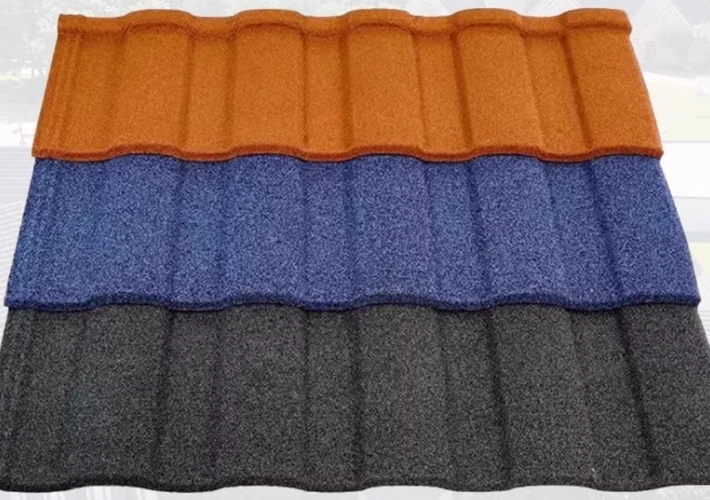
Stone-coated steel Roman tiles combine a galvanized steel base with a natural stone coating to deliver superior strength and aesthetic appeal.
Advantages:
- Lightweight but extremely durable
- 30–50 years lifespan
- Excellent wind, rain, fire, and hail resistance
- Classical Roman look with modern performance
Limitations:
- Higher price than PVC or concrete
- Requires skilled installation
These tiles are perfect for areas with extreme weather conditions, including hurricanes and heavy snowfall.
Main Features and Benefits of Roman Roof Tiles
Roman roof tiles are preferred globally due to their combination of beauty and performance. Below are the top reasons they are favored in modern construction:
3.1 Excellent Water Drainage
The interlocking design of the flat pan and curved cover ensures fast, efficient water flow, reducing roof leakage risks even during heavy rainfall.
3.2 Classic and Elegant Appearance
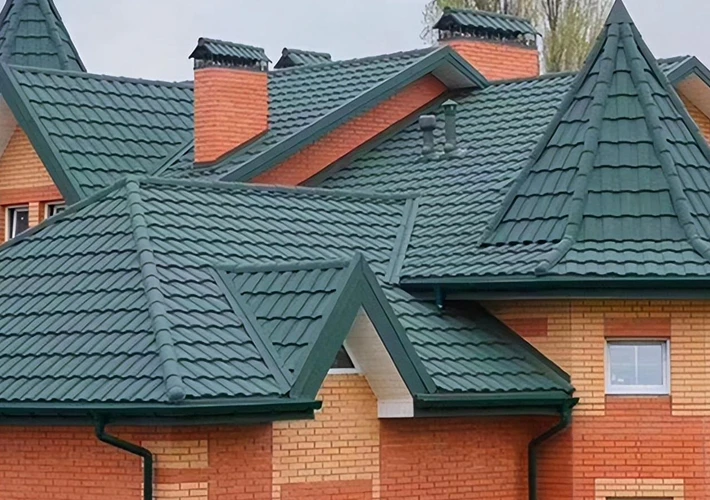
Roman tiles provide a timeless Mediterranean and European architectural look. The distinctive curved design adds depth, texture, and visual richness to roofs.
3.3 Strong Weather Resistance
Depending on the material, Roman tiles offer protection against:
- UV exposure
- Heavy rain
- Strong wind
- Hail
- Snow load
- Fire
Stone-coated steel and ceramic Roman tiles have especially strong performance in harsh climates.
3.4 Long Service Life
- Clay Roman tiles: 50+ years
- Stone-coated steel Roman tiles: 30–50 years
- Concrete Roman tiles: 30–40 years
- PVC Roman tiles: 15–20 years
Their long lifespan ensures lower maintenance costs and overall better investment value.
3.5 Energy Efficiency
Roman roof tiles help regulate indoor temperature by:
- Reflecting sunlight
- Providing natural ventilation
- Reducing heat transfer
This helps homeowners save on cooling energy, especially in tropical and subtropical climates.
3.6 Low Maintenance Requirements
Most Roman tiles require minimal cleaning and offer excellent resistance to mold, rust, and corrosion (especially PVC and stone-coated steel types).
Applications of Roman Roof Tiles
Roman roof tiles are used across a diverse range of building types, including:
4.1 Residential Houses
- Villas
- Townhouses
- Single-family homes
Their classical look enhances the visual value of residential properties.
4.2 Commercial Buildings
- Shopping centers
- Community buildings
- Cafés and restaurants
Roman tiles bring a refined architectural finish that appeals to commercial property owners.
4.3 Resorts & Hotels
Mediterranean, Spanish, and European-style hotels frequently adopt Roman tiles to achieve distinct exterior beauty.
4.4 Religious Buildings
Churches, temples, and cultural buildings often choose Roman tiles for their traditional and historical appearance.
4.5 Industrial and Agricultural Structures
Lightweight PVC Roman tiles are widely used for:
- Factories
- Farms
- Warehouses
- Carports
Their lightweight, anti-corrosion properties make them suitable for utility buildings.
Manufacturing Process of Roman Roof Tiles
The manufacturing process varies depending on the material. Below is an overview of how different Roman tiles are produced.
5.1 Clay / Ceramic Roman Tile Production
Raw clay preparation
Shaping through molds or extrusion
Drying to remove moisture
Kiln firing at high temperatures
Glazing (for ceramic tiles)
Final quality inspection
This process creates highly durable and natural-looking tiles.
5.2 Concrete Roman Tile Production
Mixing cement, sand, and pigments
Molding under pressure
Steam curing
Surface coating
Packaging
This method produces cost-effective and strong roofing tiles.
5.3 PVC Roman Tile Production
Blending PVC resin + additives
Extrusion or molding
Cooling
Surface processing
Cutting to size
PVC Roman tiles are fast to produce and provide excellent chemical resistance.
5.4 Stone-Coated Steel Roman Tile Production
Cutting galvanized steel sheet
Pressing into Roman tile shape
Applying acrylic base coat
Adding natural stone granules
High-temperature curing
Sealant coating
Packing
This process creates highly durable, premium-quality Roman roofing tiles.
Installation Guide for Roman Roof Tiles
Proper installation ensures roof durability and weatherproofing. Below are general guidelines:
6.1 Roof Preparation
- Inspect and repair roof structure
- Ensure proper slope (generally 15°–30°)
- Install waterproofing layer
6.2 Tile Laying
- Start from the bottom row
- Overlap tiles according to manufacturer instructions
- Use appropriate fasteners (nails or screws)
- Reinforce eaves, ridges, and valleys
Different tile materials require different fastening systems.
6.3 Quality Inspection
- Check alignment
- Ensure no gaps
- Confirm all tiles are securely fixed
6.4 Maintenance Tips
- Clean debris periodically
- Inspect after storms
- Replace cracked or damaged tiles immediately
Global Market Trends for Roman Roof Tiles
Roman roof tiles continue to grow in popularity due to both aesthetic and functional advantages. Market trends include:
7.1 Increased Demand in Coastal Countries
Stone-coated steel and PVC Roman tiles are especially popular in:
- Southeast Asia
- Africa
- South America
- Middle East
This is due to excellent corrosion resistance and durability.
7.2 Growth of Luxury Villa Construction
Mediterranean and Spanish-style architecture is trending globally, increasing demand for clay and ceramic Roman tiles.
7.3 Shift Toward Lightweight Roofing Solutions
Stone-coated steel Roman tiles are replacing traditional clay tiles because:
- They are easier to install
- They require less structural support
- They offer long-term cost savings
7.4 Rising Popularity of Eco-Friendly Roofing
Consumers are favoring recyclable and durable roofing materials, pushing manufacturers to develop greener Roman tile options.
Why Choose Roman Roof Tiles for Modern Roofing Projects?
Roman tiles deliver a combination of beauty, durability, and practicality unmatched by many other roofing products. Key reasons include:
- Enhanced property value
- Long lifespan
- Strong performance in all weather conditions
- Elegant Mediterranean visual appeal
- Wide material and color options
- Suitable for residential, commercial, and industrial projects
For roofing wholesalers and builders, Roman roof tiles remain a profitable and high-demand product with global market acceptance.
Conclusion
Roman roof tiles are more than just roofing materials—they represent a blend of ancient architectural heritage and modern engineering. With various materials such as clay, concrete, ceramic, PVC, and stone-coated steel, they offer solutions for every project type and budget. Their beautiful curvature, strong durability, and weatherproof performance make them one of the best choices for modern roofing in both residential and commercial applications.
Whether you’re sourcing tiles for large construction projects, importing roofing products from China, or building a premium villa, Roman roof tiles provide reliability, aesthetics, and long-term value.