Introduction: What Are Classic Roof Tiles?
Classic roof tiles are one of the most time-tested roofing materials in the global construction industry. Known for their elegant appearance, durability, and strong weather resistance, classic roof tiles have become a preferred choice for residential, commercial, and industrial roofing projects around the world.
Unlike temporary roofing materials, classic tiles provide long-term protection, aesthetic value, and energy efficiency. Their design often draws inspiration from traditional clay or ceramic tiles but integrates modern metal or stone-coated technologies to enhance lifespan and performance.
In recent years, stone-coated steel classic roof tiles have gained significant popularity in regions such as Africa, the Middle East, Europe, and Southeast Asia due to their exceptional combination of strength and beauty.
Types of Classic Roof Tiles
Classic roof tiles come in various types, depending on the base material, surface coating, and installation style. Below are the most common types used in global construction markets.
2.1 Stone-Coated Steel Classic Roof Tiles
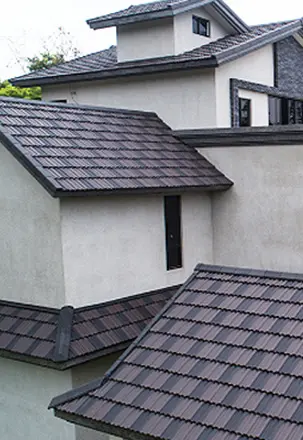
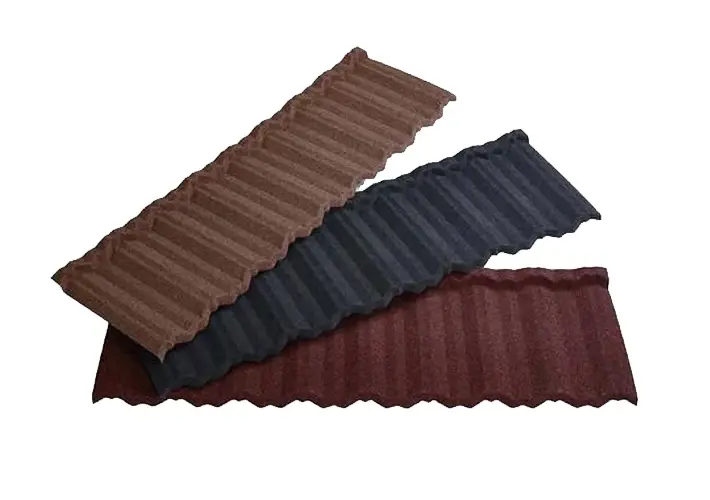
This is the most widely used type today. These tiles are made from galvanized or aluminum-zinc-coated steel sheets, which are then coated with natural stone granules and acrylic resin for enhanced protection and decorative effect.
Main features:
- Long lifespan (up to 50 years)
- Fire-resistant and corrosion-proof
- Elegant and natural appearance
- Available in multiple colors (red, charcoal, green, brown, etc.)
- Lightweight yet strong
These are ideal for both new construction and roof renovation projects.
2.2 Clay Classic Roof Tiles
Clay tiles are traditional roofing materials fired at high temperatures. They are loved for their natural color and texture, often found in Mediterranean or colonial-style buildings.
Advantages:
- Natural and eco-friendly
- Excellent thermal insulation
- Long-lasting color retention
However, they are heavier and more fragile than metal-based tiles, leading to higher transportation and installation costs.
2.3 Concrete Classic Roof Tiles
Concrete roof tiles are made from a mixture of sand, cement, and water, shaped under pressure and cured to achieve high strength.
Features:
- Cost-effective
- Customizable colors and shapes
- Durable but heavier than metal alternatives
2.4 Asphalt Classic Roof Tiles
Asphalt roof tiles, often known as bituminous shingles, are lightweight and flexible. They are commonly used in residential projects, though they may have shorter lifespans than metal or stone-coated types.
Structure and Materials of Stone-Coated Classic Roof Tiles
The stone-coated classic roof tile typically consists of five layers:
Base steel layer – 0.4–0.5mm thick aluminum-zinc (Al-Zn) coated steel for corrosion resistance.
Protective coating – enhances adhesion and prevents oxidation.
Acrylic resin layer – serves as a binder for the stone chips.
Stone granule layer – provides natural texture, UV protection, and aesthetic appeal.
Transparent overglaze coating – seals the surface to prevent stone loss and color fading.
This multi-layer design makes the tile both functional and decorative, ensuring reliable waterproofing, impact resistance, and long-term stability.
Advantages of Classic Roof Tiles
4.1 Superior Durability
With a lifespan of 30–50 years, classic roof tiles offer long-term performance even under extreme weather. The steel core and protective coatings prevent rust, corrosion, and deformation.
4.2 Lightweight and Easy to Install
Unlike concrete or clay tiles, stone-coated metal tiles weigh only about 5–6 kg per square meter, reducing structural load and saving on shipping and labor costs.
A single installer can complete a large roof section quickly, making them ideal for large-scale construction projects.
4.3 Weather Resistance
These tiles can withstand wind speeds up to 180 km/h, heavy rain, hail impact, and UV exposure. The stone coating provides an additional shield against fading and surface damage.
4.4 Aesthetic Flexibility
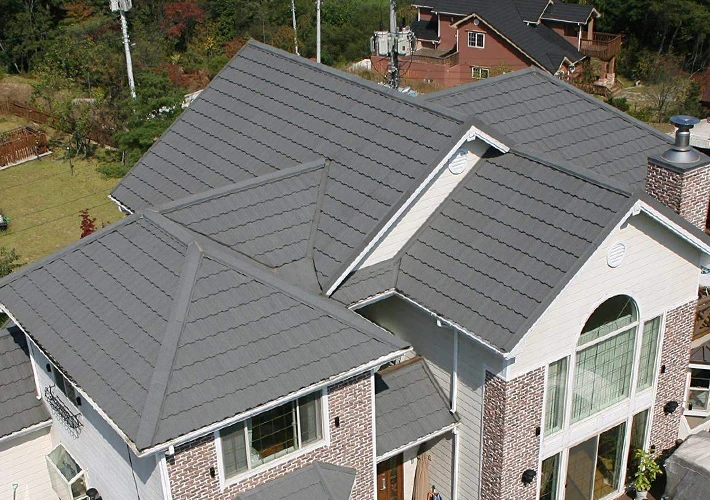
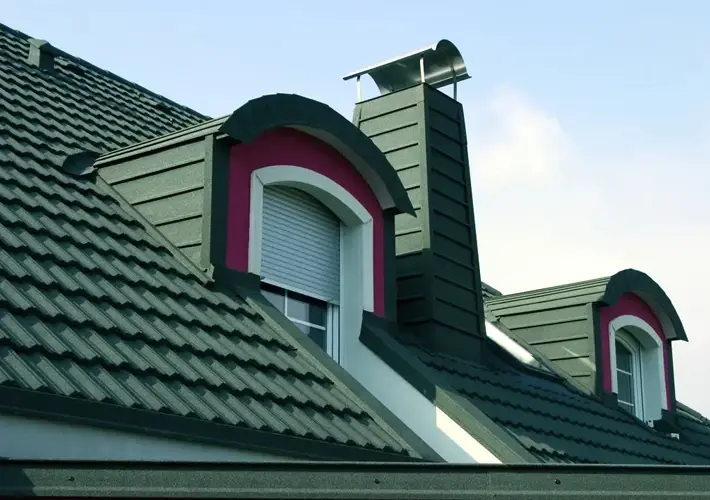
Classic roof tiles are available in various colors—red, terracotta, green, charcoal, black, and more. They can mimic the look of clay, slate, or wooden shingles, fitting both modern villas and traditional architectures.
4.5 Fireproof and Soundproof
The metal and stone composite materials are non-combustible and sound-absorbing, providing added safety and comfort for residential and commercial properties.
4.6 Eco-Friendly
Most classic roof tiles are made from recyclable steel and natural stone chips, making them an environmentally sustainable choice for green buildings.
Applications of Classic Roof Tiles
5.1 Residential Buildings
Used widely in private homes, villas, and bungalows. The tiles’ aesthetic appeal enhances property value, while the weatherproof properties provide reliable protection.
5.2 Commercial Buildings
Classic roof tiles are suitable for hotels, resorts, schools, offices, and malls where both appearance and performance matter.
5.3 Public Infrastructure
They are increasingly used in government buildings, religious centers, and community halls due to their low maintenance and long life.
5.4 Industrial and Agricultural Use
Factories and warehouses in regions with heavy rainfall or high temperatures often choose metal-based classic roof tiles for their heat insulation and leak resistance.

Global Market Trends and Demand Analysis
The global demand for classic roof tiles has seen steady growth over the last decade, driven by rising construction activity and increasing awareness of durable roofing solutions.
6.1 Market Growth
According to industry data, the stone-coated steel roof tile market is expected to reach over USD 2.5 billion by 2030, growing at a CAGR of around 5%.
Africa, Southeast Asia, and Latin America are among the fastest-growing markets due to rapid urbanization and infrastructure development.
6.2 Key Drivers
- Expanding construction industry in developing countries
- Rising preference for low-maintenance, long-lasting materials
- Increased replacement of traditional clay roofs with lightweight metal alternatives
- Government incentives for energy-efficient buildings
6.3 Export and Import Trends
China remains one of the leading exporters of stone-coated classic roof tiles, supplying to Nigeria, Kenya, Ghana, South Africa, the Philippines, and Latin American markets.
Due to cost-effective production and strict quality control, Chinese roofing tile factories have become reliable suppliers for global distributors and contractors.
Installation and Maintenance Guide
7.1 Installation Process
Prepare the roof base – Ensure the surface is level and dry.
Install underlayment – Usually a waterproof membrane or bitumen sheet.
Lay battens – Secure wooden or metal battens to support the tiles.
Fix the tiles – Overlap each tile and fix with nails or screws according to the manufacturer’s design.
Install ridge and hip caps – Seal the roof edges and corners.
Check waterproofing – Apply sealants and inspect joints.
7.2 Maintenance Tips
- Inspect the roof annually for debris, rust spots, or loose tiles.
- Clean with mild detergent and water to remove dust and moss.
- Avoid harsh chemicals or pressure washing.
- Repaint or recoat every 15–20 years if needed to maintain shine and color.
Proper maintenance ensures maximum performance and longevity.
How to Choose the Right Classic Roof Tile
When selecting classic roof tiles, consider the following factors:
8.1 Material Quality
Always check the steel base thickness, aluminum-zinc coating weight (≥150g/m²), and UV-resistant stone granules. These directly affect durability.
8.2 Design and Color Options
Choose colors that complement your building’s architecture. Many factories offer custom colors and patterns to match different design needs.
8.3 Warranty and Certification
Look for suppliers with ISO certification, CE mark, and 30–50-year warranty coverage for quality assurance.
8.4 Factory Credibility
Select an experienced roof tile manufacturer with modern production equipment, strict QC systems, and international export experience. A good supplier can also provide technical guidance and marketing support.
Comparison: Classic Roof Tiles vs Other Roofing Materials
| Feature | Classic Roof Tiles | Asphalt Shingles | Clay Tiles | Metal Sheets |
|---|---|---|---|---|
| Lifespan | 30–50 years | 10–20 years | 30–40 years | 15–25 years |
| Weight | Light | Light | Heavy | Medium |
| Maintenance | Low | Medium | High | Low |
| Appearance | Natural & Elegant | Simple | Traditional | Industrial |
| Cost | Moderate | Low | High | Moderate |
| Fire Resistance | Excellent | Poor | Excellent | Excellent |
Classic roof tiles clearly stand out for their balance between performance, aesthetics, and cost, making them ideal for both residential and commercial projects.
Why Choose Chinese Classic Roof Tile Manufacturers
China has become the global manufacturing hub for classic roof tiles, especially stone-coated steel roofing. Chinese factories combine advanced production lines, experienced engineers, and strict quality inspection systems.
Key Advantages:
- Competitive prices with high quality
- Customized colors and profiles available
- Fast delivery and flexible order quantities
- International certifications (ISO, SGS, CE)
- Strong export logistics support
For importers and wholesalers, partnering with a trusted Chinese manufacturer ensures consistent product supply, stable profit margins, and professional technical support.
Conclusion
Classic roof tiles have evolved from traditional clay tiles into modern, high-performance roofing systems that combine beauty, strength, and durability. Whether you are a homeowner, contractor, or building material importer, classic roof tiles offer a long-term investment with low maintenance and outstanding protection.
Their rising popularity across global markets demonstrates the perfect blend of innovation and tradition in roofing materials.
If you are looking for a reliable supplier of stone-coated classic roof tiles, we are a professional Chinese factory specializing in the production, export, and customization of roofing materials.
Contact us today to get the latest product catalog, color samples, and quotation.
- Factory-direct pricing
- Free samples for bulk orders
- Global shipping support
- OEM & ODM services