Introduction
Choosing the right color for roofing sheets is a decision that extends beyond aesthetics. While the roof is a defining feature of a building’s exterior, its color significantly impacts both functionality and longevity. The choice of color plays a critical role in managing heat, light reflection, and energy consumption, all while aligning with regional preferences and price considerations. In this article, we explore the factors influencing the best color choices for roofing sheets, focusing on climate, price, regional preferences, environmental sustainability, and more.
What Is the Best Color for Roofing Sheets?
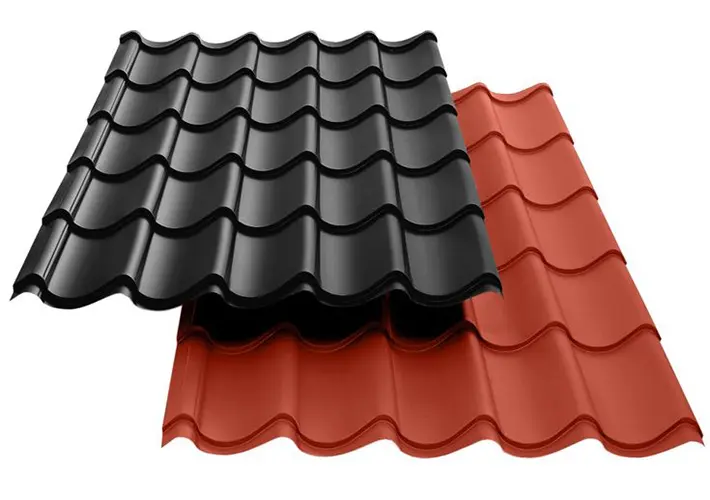
The best color for roofing sheets depends on the climate, building purpose, and energy efficiency requirements. There is no single roofing sheet color that is suitable for all locations.
For hot climates, light-colored roofing sheets such as white, silver, and light gray are generally considered the best choices because they reflect solar radiation and reduce heat absorption. These colors can help lower indoor temperatures and reduce cooling costs.
For cold climates, darker roofing sheet colors such as black, charcoal, and dark brown are often preferred because they absorb more solar heat and may improve thermal comfort during winter.
For commercial and industrial projects, the best roofing color should balance energy efficiency, durability, maintenance requirements, and local market preferences.
When selecting color coated roofing sheets, buyers should consider not only appearance but also coating quality, UV resistance, corrosion protection, and the reliability of the roofing sheet manufacturer.
Factors Affecting Roofing Color Choices
2.1 Climate
The climate of the area where a building is located is one of the most significant factors in selecting roofing color. Different climates call for different approaches to energy efficiency, aesthetics, and roof durability.
Heat Reflection and Absorption:
- Lighter colors (such as white, light gray, and pastel tones) reflect more sunlight, keeping the building cooler. These colors are often preferred in hot climates because they help reduce the need for air conditioning, saving energy and money. In contrast, darker colors (like black, dark gray, and deep brown) absorb more heat. In colder climates, darker colors help retain heat within the building, preventing excessive snow accumulation and improving energy efficiency by reducing heating needs.
- Specific Impact: In tropical or desert regions, reflective roofing materials are commonly used, whereas colder, temperate regions may lean toward darker shades to enhance thermal insulation.
UV Resistance:
- Lighter colors also tend to fare better against ultraviolet (UV) radiation. Darker colors can fade and degrade faster when exposed to prolonged sunlight, potentially requiring more maintenance or earlier roof replacement. Roofing materials treated with UV-resistant coatings can prolong the roof’s lifespan and reduce the need for frequent maintenance.
Insulation Benefits:
- The insulation provided by a roof can affect the indoor temperature significantly. Dark roofs absorb more heat, which can lead to warmer interiors in the winter but might result in higher cooling costs during the summer months. Light roofs, however, are more suited for warm climates, reflecting sunlight to maintain a cooler interior.
2.2 Aesthetic Appeal
Aesthetic appeal plays a pivotal role in roofing color selection, especially for residential and commercial buildings. The color of the roofing material should not only complement the building’s overall design but also enhance the appearance of the surrounding environment.
Building Design Trends:
- Modern homes may favor contemporary colors like gray, silver, and slate blue. On the other hand, traditional or classic homes might opt for earthy tones such as terracotta or brown to fit the rustic charm. Additionally, urban and industrial buildings often lean towards metallic tones or darker colors to convey a sleek, sophisticated aesthetic.
Matching the Environment:
- Many homeowners and architects choose roofing colors that reflect or blend with the natural surroundings. For example, green or brown roofing is often chosen for suburban homes surrounded by trees or parks. Coastal areas may prefer muted colors or metallic finishes that reflect the ocean’s hues or are resistant to the salt air.
Regional Preferences:
- Cultural and regional preferences significantly influence the choice of roofing color. Mediterranean-style homes often feature terracotta-colored roofs, while homes in northern regions may favor dark gray or black roofing materials to better absorb heat and handle heavy snowfall.
2.3 Price and Cost Considerations
The price of roofing materials can vary widely depending on the color, material, and technology used. In addition to the initial cost, the choice of color can impact the long-term maintenance and energy costs of the building.
Color and Material Cost:
- Lighter colors, particularly in materials like cool roofs or reflective coatings, can sometimes be more expensive due to the extra processes required to produce these pigments. Darker colors may not have these additional costs, making them a more budget-friendly option in some cases.
- Material-specific pricing: Metal roofing in light colors may cost more initially due to the reflective coatings, but the investment can pay off in energy savings in the long term.
Durability and Maintenance:
- Lighter-colored roofs, while effective at reflecting sunlight, may require more frequent cleaning as dirt, stains, and debris are more visible. Darker roofs, on the other hand, tend to show less dirt and can maintain a clean appearance longer. However, dark roofs may absorb more heat, causing the material to wear down faster due to the expanded expansion and contraction cycles over time.
Energy Savings:
- One of the long-term financial considerations is energy savings. In hot climates, a light-colored roof could significantly lower cooling costs by reducing the need for air conditioning. Similarly, in colder regions, a darker-colored roof might help retain heat, reducing heating costs in the winter.
Regional Considerations
Different climates and regions have specific requirements for roofing color based on weather conditions, building codes, and local preferences.
3.1 Hot and Humid Climates
In tropical and subtropical regions where temperatures soar and humidity is high, energy conservation is a key concern.
- Best Colors: Lighter shades like white, light gray, and pastels are the preferred roofing colors because they reflect sunlight, keeping buildings cooler and reducing the reliance on air conditioning. Reflective coatings can also be applied to metal or tile roofing for improved energy efficiency.
- Popular Regions: Areas such as Southeast Asia, the Caribbean, and parts of the Middle East often see roofs in lighter shades due to their heat-reflective properties.
- Effect on Cooling Costs: By reflecting more sunlight, lighter roofs reduce the need for air conditioning, leading to lower electricity bills. This is crucial in hot climates where cooling costs can account for a large portion of household expenses.
3.2 Cold Climates
In colder climates, the primary concern is retaining warmth during the colder months.
- Best Colors: Darker roofing colors such as charcoal, brown, and black are more effective in these regions because they absorb more heat from the sun, which helps to melt snow and ice more quickly. This reduces the risk of ice dams and minimizes snow buildup on the roof.
- Popular Regions: Northern Europe, Canada, and parts of the U.S., particularly in the Midwest and Northeast, are areas where darker roofs are commonly used.
- Winter Considerations: In regions with harsh winters, darker roofing materials are chosen to absorb heat from the sun, which can help to prevent snow and ice from accumulating and causing damage to the roof structure.
3.3 Coastal Areas
Coastal regions face unique challenges, including saltwater corrosion and high humidity, which can affect the durability of roofing materials.
- Best Colors: Coastal areas often prefer neutral or metallic colors, such as silver, gray, or bronze, as they are more resistant to saltwater corrosion. Galvanized steel, aluminum, and copper roofing materials, which are often available in these colors, are commonly used in coastal areas.
- Popular Regions: Coastal cities along the Mediterranean, U.S. East Coast, and tropical islands are areas where color choices must be made with saltwater exposure in mind.
- Durability: Coastal areas require materials that resist rust and corrosion. Galvanized or coated steel roofing in neutral shades or copper roofing in natural patinas is a popular choice because they provide both durability and aesthetic appeal.
3.4 Urban Areas
Urban heat islands, where temperatures in cities are significantly higher than in surrounding rural areas, make energy-efficient roofing a priority.
- Best Colors: Metallic finishes, such as silver, copper, and gray, are increasingly popular in urban settings. These materials provide a modern look and are often treated with reflective coatings to reduce heat absorption and mitigate the urban heat island effect.
- Urban Heat Island Effect: Cities are typically warmer due to human activity, dense infrastructure, and a lack of vegetation. Reflective roofing helps counteract this effect by lowering the amount of heat absorbed by buildings, thus reducing the overall temperature of the city.
- Trendy Options: Urban environments often see bold or vibrant color choices, like red, blue, or green, used in commercial buildings and offices to reflect the dynamic and artistic spirit of the area.

Environmental and Sustainability Factors
Environmental sustainability is an increasingly important consideration when choosing roofing materials.
4.1 Eco-Friendly Roofing Colors
- Reflectivity and Cool Roofs: Light-colored roofs, especially those with reflective coatings, are part of the “cool roof” movement. These materials are designed to reflect more sunlight and absorb less heat, which can significantly reduce cooling costs and urban heat island effects.
- Material Sustainability: Metal roofing options are often made from recycled materials and can be recycled at the end of their life. Choosing reflective, eco-friendly colors for metal roofs is not only beneficial for energy efficiency but also for reducing the environmental impact.
4.2 Green Roofing Options
- Living Roofs: In some regions, the use of green roofs (roofs covered with plants) is gaining popularity. These roofs can be integrated with specific colors that complement the greenery, often in natural tones like brown, beige, or earthy greens.
- Environmental Impact: Green roofs are highly sustainable, providing insulation, reducing energy consumption, and offering stormwater management solutions. These roofs can be complemented with materials like wood or metal that blend seamlessly with the environment.
Technological Advances in Roofing Color
Recent advances in roofing technology have improved both the aesthetic and functional properties of roofing materials.
5.1 Cool Roof Technology
- Innovative Coatings: Cool roofs use special reflective coatings that help reflect sunlight and heat away from the building. These roofs can be any color, but the most effective ones are typically lighter shades.
- Energy Efficiency: Cool roofs contribute significantly to reducing the energy consumption of buildings, making them an excellent choice for regions with hot climates.
5.2 Longer Lifespan
- UV-Resistant Pigments: Modern technology has developed UV-resistant pigments that help maintain the color integrity of roofing materials over time, making it a smart choice for those concerned with long-term maintenance.
How to Choose Roofing Sheet Colors for Commercial Projects
For commercial buildings, roofing color selection involves more than architectural appearance. Developers, contractors, and distributors need to consider performance, market demand, and long-term maintenance costs.
Before choosing roofing sheet colors for large-scale projects, buyers should evaluate the following factors:
1. Local Climate Conditions
The same roofing color may perform differently in different regions. Light colors are usually preferred in hot areas, while darker colors may be more suitable for colder climates.
2. Building Function
Different buildings have different requirements:
- Warehouses often prioritize heat reduction and energy savings.
- Factories may require durable coatings and easy maintenance.
- Residential buildings usually focus on appearance and comfort.
- Commercial buildings often require colors that match architectural design.
3. Market Preferences
For distributors and wholesalers, choosing popular roofing colors can improve product competitiveness. Common global market preferences include:
- Gray and silver for modern buildings
- Red and brown for traditional homes
- White and light gray for tropical markets
- Dark colors for premium residential projects
A professional roofing sheet manufacturer should provide customized color options to meet different regional demands.
Popular Roofing Sheet Colors
6.1 Common Roofing Colors and Their Uses
- White and Light Gray: Best for hot climates; reflect heat and help maintain cool interiors.
- Terracotta and Red: Common in Mediterranean regions, offering aesthetic appeal and heat regulation.
- Metallic Shades: Modern and sleek, often used in urban environments or commercial spaces.
- Black and Charcoal: Popular in colder climates for their heat-absorbing properties.
6.2 Emerging Trends in Roofing Color
- Neutral and Earthy Tones: Beige, brown, and green tones are becoming more common as people lean toward natural aesthetics.
- Bold and Bright Colors: Cities and trendy commercial spaces may incorporate vibrant colors such as yellow, blue, and green to make a statement.
Roofing Sheet Color Trends in Global Markets
Roofing sheet color trends continue to change with architectural styles, energy-saving requirements, and environmental awareness.
North America
In North America, neutral and classic roofing colors remain popular. Gray, black, charcoal, and brown roofing sheets are widely used for residential and commercial buildings because they provide a modern appearance and match various exterior designs.
Europe
European markets often prefer elegant and natural colors, including dark gray, green, brown, and terracotta. Energy efficiency and sustainable construction have also increased demand for reflective roofing solutions.
Middle East
Due to high temperatures and strong sunlight, light-colored roofing sheets such as white, silver, and beige are commonly selected. Heat reflection is a major consideration for industrial and commercial buildings.
Southeast Asia
In tropical regions, buyers usually prefer light gray, blue, white, and other reflective colors to improve indoor comfort and reduce cooling costs.
Understanding regional color preferences helps roofing sheet suppliers provide more suitable products for international markets.
Frequently Asked Questions About Roofing Sheet Colors
What is the most popular color for roofing sheets?
The most popular roofing sheet colors worldwide include gray, black, white, blue, brown, and silver. Gray and black are commonly used for modern buildings, while white and silver are popular in hot climates because of their heat-reflective properties.
Are white roofing sheets better than dark roofing sheets?
White roofing sheets are usually better for hot climates because they reflect sunlight and reduce heat absorption. However, dark roofing sheets can be beneficial in colder regions because they absorb more solar heat.
Does roofing sheet color affect durability?
Roofing sheet color itself does not determine durability. The quality of the coating, UV resistance, corrosion protection, and manufacturing process have a greater impact on lifespan.
Can roofing sheet colors be customized?
Yes. Professional roofing sheet manufacturers can provide customized colors based on project requirements. Many suppliers support RAL color matching, OEM production, and bulk customization.
Which roofing sheet color requires less maintenance?
Medium and darker colors usually hide dirt better, while lighter colors show dust and stains more easily. However, maintenance requirements depend more on coating quality and environmental conditions.
Conclusion
In conclusion, the choice of roofing color is a multifaceted decision that involves considerations of climate, cost, aesthetics, and sustainability. Each region and building type will have its unique set of needs and preferences, but by taking into account factors like energy efficiency, durability, and environmental impact, the best roofing color for any situation can be selected. Whether reflecting the sun in a tropical climate or absorbing heat in a cold region, roofing color plays a pivotal role in enhancing the functionality and aesthetic of the building while reducing energy costs and maintenance.
Why Choose Roofglory as Your Roofing Sheet Supplier?
Choosing the right roofing sheet color is only one part of creating a durable roofing system. The quality of the roofing material and manufacturing process are equally important.
Roofglory is a professional roofing sheet manufacturer in China, specializing in color coated roofing sheets and customized roofing solutions for global customers.
With advanced production capabilities, strict quality control, and flexible customization options, Roofglory supports distributors, contractors, and construction companies with:
- Wide range of roofing sheet colors
- Customized RAL color solutions
- Different thickness and profile options
- UV-resistant and corrosion-resistant coatings
- OEM and bulk order support
Whether for residential buildings, commercial projects, or industrial applications, Roofglory provides reliable roofing solutions designed for different climates and markets.