Quick Answer: What Are Stone-Coated Roof Tiles?
Stone-coated roof tiles are premium roofing materials manufactured from galvanized or galvalume steel sheets coated with acrylic resin and natural stone granules. They combine the elegant appearance of traditional clay tiles with the durability and lightweight advantages of metal roofing systems.
Typical stone-coated roofing tile dimensions include:
- Length: 1300–1400 mm
- Width: 370–420 mm
- Steel Thickness: 0.35–0.50 mm
- Weight: Approximately 6–7 kg/m²
- Lifespan: 40–70 years
Because of their excellent weather resistance, aesthetic flexibility, and long service life, stone-coated roof tiles are widely used in residential homes, villas, commercial buildings, schools, resorts, and renovation projects worldwide.
Stone-coated roof tiles are widely used in both residential and commercial buildings due to their durability, aesthetic appeal, and weather resistance. Here’s a breakdown of their dimensions and applications:
Dimensions of Stone-Coated Roof Tiles
Overall Length and Width:
- Length: Stone-coated roof tiles usually range from 1,300 mm to 1,400 mm (approximately 51 to 55 inches). The longer length contributes to fewer overlaps, reducing installation time and cost.
- Width: The typical width of these tiles is around 420 mm (about 16.5 inches). This width allows for sufficient coverage while maintaining a lightweight structure.
Effective Coverage Area:
- Coverage Per Tile: Each tile typically covers between 0.45 and 0.5 square meters (about 4.8 to 5.4 square feet). The exact coverage can vary based on the tile’s profile and the manufacturer’s design.
- Overlap: The effective coverage takes into account the necessary overlaps between tiles to ensure a watertight seal, which is critical for preventing leaks.
Thickness:
- Steel Core: The core material, typically made of galvanized steel, ranges from 0.4 mm to 0.5 mm in thickness. This provides the necessary strength while keeping the tiles lightweight.
- Coating Layers: The thickness of the tile may also include additional layers, such as a stone coating, adhesive layers, and a protective top coat. These layers add to the tile’s overall thickness but are usually thin enough to maintain a lightweight profile.
Weight:
- Per Tile: A single tile usually weighs between 2.5 kg to 3.0 kg (about 5.5 to 6.6 pounds). This lightweight characteristic allows for easier handling and installation, reducing labor costs.
- Per Square Meter: The overall weight per square meter is typically around 6 to 7 kg (approximately 13 to 15.4 pounds). This is significantly lighter than traditional roofing materials like clay tiles or slate, which helps in reducing the load on the roof structure.
Profile Variations and Their Applications
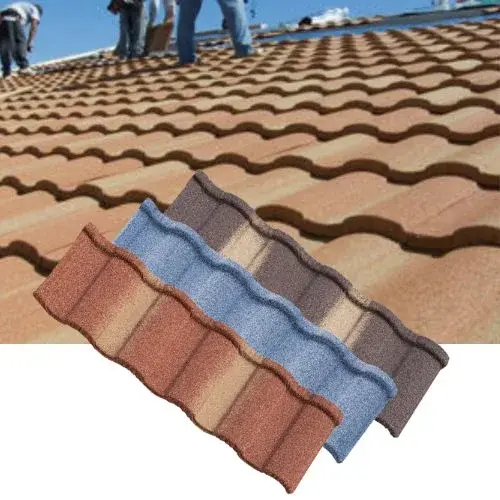
Classic or Shake Profile:
- Design: Imitates the appearance of traditional wood shake shingles with a rugged, textured look.
- Applications: Ideal for residential homes, particularly in rustic or traditional architectural styles. Provides a natural appearance while offering modern durability.
Shingle Profile:
- Design: Mimics the flat, smooth look of asphalt shingles but with the added benefits of stone coating and steel.
- Applications: Commonly used in both residential and commercial settings, where a sleek, contemporary look is desired.
Roman Profile:
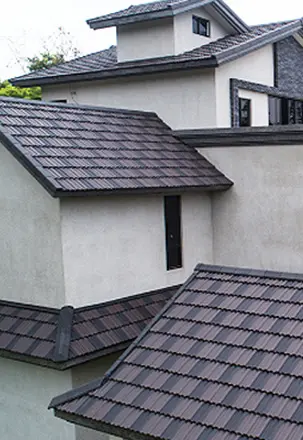
- Design: Features a curved, wave-like shape that resembles traditional Roman or Mediterranean clay tiles.
- Applications: Often chosen for luxury homes, resorts, and buildings with Mediterranean or Spanish-style architecture, providing an elegant and timeless look.
Barrel Tile Profile:
- Design: Replicates the rounded, barrel-shaped tiles typical of Spanish and Mediterranean roofs.
- Applications: Suitable for high-end residential and commercial properties, as well as historical restorations, where a classic and traditional appearance is essential.
Stone-Coated Roof Tile Technical Specifications
| Specification | Standard Range |
|---|---|
| Overall Length | 1300–1400 mm |
| Overall Width | 370–420 mm |
| Effective Coverage | 0.45–0.50 m² per tile |
| Steel Base Thickness | 0.35–0.50 mm |
| Weight | 6–7 kg/m² |
| Wind Resistance | Up to 190 km/h |
| Fire Rating | Class A |
| Expected Lifespan | 40–70 Years |
These specifications may vary slightly depending on the tile profile and manufacturer.
How to Choose the Right Stone-Coated Roof Tile Dimensions
Selecting the proper tile size is essential for achieving optimal roofing performance and reducing installation costs.
Consider Roof Structure
Larger tile dimensions generally reduce the number of tiles required per square meter, resulting in faster installation and lower labor expenses.
Evaluate Climate Conditions
For regions experiencing hurricanes, heavy rainfall, or snow loads, thicker steel substrates between 0.45 mm and 0.50 mm are recommended for better structural performance.
Match Architectural Style
Roman and barrel profiles are suitable for luxury villas and Mediterranean-style buildings, while shingle and shake profiles are popular for modern residential and commercial projects.
Consider Transportation Efficiency
Tile dimensions directly influence container loading quantity and shipping costs. Proper size selection can significantly reduce international logistics expenses for importers and distributors.
Advanced Features and Benefits
Weather Resistance:
- Wind Resistance: Stone-coated roof tiles can withstand high winds, often up to 120 mph (about 193 km/h), making them suitable for hurricane-prone areas.
- Hail Resistance: The tough, stone-coated surface can resist damage from hailstones, typically up to 2.5 inches in diameter.
- Fire Resistance: These tiles are non-combustible, making them a safer option in areas prone to wildfires.
Aesthetic Flexibility:
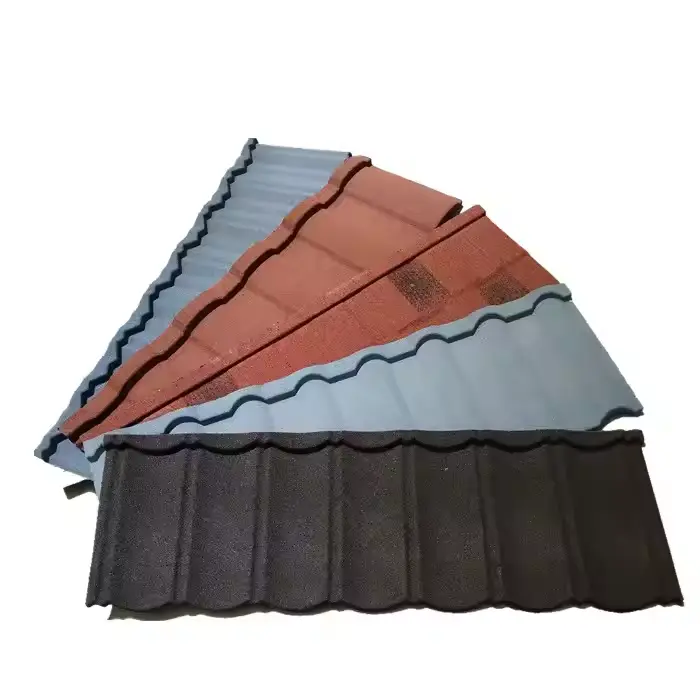
- Color Options: Available in a wide range of colors, from earthy tones like terra cotta and burnt sienna to modern shades like charcoal and slate gray. This allows for customization to match any architectural style.
- Custom Patterns: Some manufacturers offer custom patterns and designs, enabling the tiles to mimic other materials like slate or wood.
Sustainability and Energy Efficiency:
- Reflective Properties: The stone coating reflects sunlight, reducing heat absorption and lowering cooling costs in warm climates.
- Eco-Friendly Materials: Many stone-coated tiles are made from recycled materials and are fully recyclable at the end of their lifespan, making them an environmentally responsible choice.
Longevity and Low Maintenance:
- Lifespan: With proper installation and maintenance, stone-coated roof tiles can last 50 years or more, outlasting many other roofing materials.
- Maintenance: They require minimal maintenance, often limited to occasional cleaning to remove debris and maintain their appearance.
Applications in Specific Building Types
Urban Residential Homes:
- Benefits: Offers a stylish and durable roofing solution that complements modern and traditional home designs alike. Their lightweight nature is particularly beneficial for homes with less robust roof structures.
Commercial Buildings:
- Retail Stores: Stone-coated tiles enhance the visual appeal of retail establishments, attracting customers while providing long-term durability.
- Office Buildings: The tiles’ ability to reflect heat can contribute to a more energy-efficient building, reducing cooling costs and enhancing indoor comfort.
Educational Institutions:
- Schools and Universities: Provides a robust and long-lasting roofing solution that minimizes maintenance costs and disruptions, essential for educational environments.
Cultural and Religious Buildings:
- Churches, Temples, and Mosques: The classic and elegant profiles of stone-coated tiles can complement the architectural beauty of religious structures, ensuring that they remain aesthetically pleasing and structurally sound for decades.
Stone-Coated Roof Tiles vs Traditional Roofing Materials
| Roofing Material | Lifespan | Weight | Maintenance | Installation |
| Clay Tiles | 30–50 Years | Heavy | Medium | Difficult |
| Asphalt Shingles | 15–25 Years | Medium | High | Easy |
| Concrete Tiles | 40 Years | Very Heavy | Medium | Difficult |
| Stone-Coated Roof Tiles | 50–70 Years | Lightweight | Very Low | Easy |
Compared with conventional roofing materials, stone-coated roofing systems provide superior durability while significantly reducing structural load.
Installation Considerations
Roof Pitch Compatibility:
- Stone-coated roof tiles are versatile and can be installed on roofs with pitches as low as 3:12 (14°) to steep pitches exceeding 12:12 (45°). This flexibility makes them suitable for a wide range of architectural designs.
Underlayment Requirements:
- A high-quality underlayment is essential to ensure waterproofing and protection against moisture penetration. The underlayment also contributes to the overall longevity of the roof.
Fastening Systems:
- Stone-coated tiles are usually fastened with corrosion-resistant screws or nails, providing strong resistance to wind uplift. The fastening system is crucial in areas prone to strong winds or seismic activity.
Ventilation:
- Proper ventilation is necessary to prevent heat buildup under the roof, which can affect the roof’s performance and the building’s energy efficiency. Ridge vents, soffit vents, and other ventilation systems can be incorporated into the roof design.
Why Are Stone-Coated Roof Tiles Becoming Increasingly Popular?
The global roofing industry is moving toward lightweight, sustainable, and energy-efficient construction materials. Stone-coated roof tiles have become one of the fastest-growing roofing products due to several important advantages.
Longer Service Life
High-quality stone-coated roofing tiles can last more than 50 years with minimal maintenance requirements.
Better Weather Resistance
They provide outstanding resistance against strong winds, heavy rain, hail, UV radiation, and extreme temperatures.
Reduced Structural Load
Their lightweight design minimizes stress on roof structures, making them ideal for both new construction and renovation projects.
Improved Energy Efficiency
Natural stone granules can help reflect solar radiation and reduce indoor heat absorption, lowering cooling costs in hot climates.
Lower Installation Costs
Large effective coverage areas and lightweight construction help reduce labor costs and installation time.
Because of these advantages, stone-coated roofing systems are becoming increasingly popular in Africa, South America, Southeast Asia, North America, and Europe.
Stone-Coated Roof Tile Manufacturing in China
China has become one of the world’s leading producers of stone-coated roofing materials thanks to its mature steel industry and advanced manufacturing capabilities.
Professional manufacturers such as Roofglory provide:
- OEM and ODM services
- Customized tile profiles and dimensions
- Multiple color options
- Strict quality control systems
- Fast production and delivery schedules
- Competitive factory-direct pricing
For importers, distributors, contractors, and project developers, sourcing directly from Chinese manufacturers can significantly reduce procurement costs while ensuring product quality and supply stability.
Key Takeaways
Standard dimensions: approximately 1300–1400 mm × 370–420 mm.Effective coverage: around 0.45–0.50 m² per tile.Weight: only 6–7 kg/m².Lifespan: 40–70 years.Wind resistance: up to 190 km/h.Suitable for residential, commercial, educational, and hospitality projects worldwide.
Frequently Asked Questions
What is the standard size of stone-coated roof tiles?
The most common dimensions are approximately 1340 mm in length and 420 mm in width, although exact sizes vary by profile and manufacturer.
How many stone-coated roof tiles are needed per square meter?
Generally, 2.1 to 2.3 tiles are required to cover one square meter of roof area.
Are stone-coated roof tiles better than clay tiles?
In many applications, yes. They are lighter, easier to install, more impact-resistant, and require less maintenance than traditional clay tiles.
How long do stone-coated roof tiles last?
Premium-quality stone-coated roof tiles typically have a service life ranging from 40 to 70 years.
Can stone-coated roof tiles withstand hurricanes?
Yes. Properly installed stone-coated roofing systems can resist wind speeds of up to approximately 190 km/h, making them suitable for hurricane-prone regions.
Are stone-coated roof tiles environmentally friendly?
Yes. Many products use recyclable steel substrates and contribute to sustainable building practices due to their long lifespan and energy-saving performance.
Final Considerations
Stone-coated roof tiles offer a combination of aesthetic appeal, durability, and low maintenance, making them a preferred choice for a wide range of applications. Their ability to mimic traditional roofing materials while providing modern benefits ensures they are both a practical and visually appealing solution for any building type.