Expansion screws, also known as wall anchors or expansion anchors, are used to securely fasten objects to walls, ceilings, or floors where traditional screws may not provide adequate holding power. Here’s a step-by-step guide on how to use expansion screws:
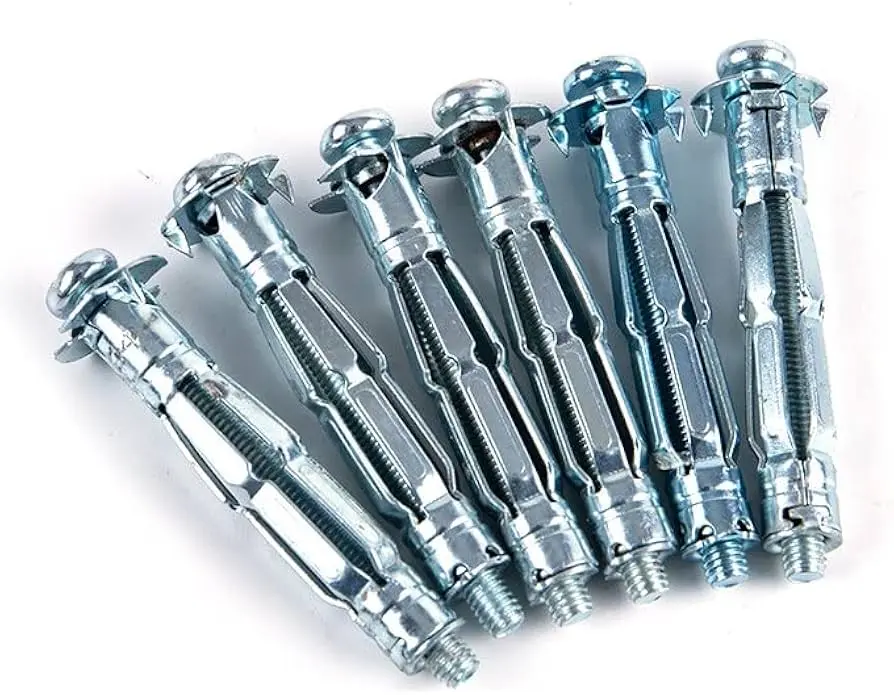
EXPANSION BOLT
Our Expansion Bolt uses high-strength steel and advanced production processes to ensure product strength and durability, making it suitable for a variety of construction and engineering applications.View More
Types of Expansion Anchors
- Plastic Expansion Anchors:
- Use: Suitable for light to medium loads in drywall, plaster, and hollow walls.
- Features: Plastic anchors expand as the screw is tightened, providing grip against the wall.
- Installation:
- Drill the Hole: Use a drill bit that matches the size of the anchor.
- Insert the Anchor: Push the anchor into the hole. If it’s tight, tap it with a hammer until it’s flush with the wall.
- Insert the Screw: Drive the screw into the anchor until it’s snug.
- Metal Expansion Anchors:
- Use: Suitable for heavier loads and can be used in drywall, plaster, and masonry.
- Features: Metal anchors provide greater strength and are often used for securing heavier items.
- Installation:
- Drill the Hole: Use a drill bit that matches the size of the anchor.
- Insert the Anchor: Place the anchor into the hole, tapping with a hammer if needed.
- Insert the Screw: Tighten the screw into the anchor. The anchor will expand and grip the wall.
- Toggle Bolts:
- Use: Ideal for very heavy objects and provide strong holding power in hollow walls.
- Features: Toggle bolts have wings that open inside the wall cavity, distributing the load over a larger area.
- Installation:
- Drill the Hole: Use a drill bit large enough to accommodate the folded wings of the toggle bolt.
- Insert the Bolt: Thread the bolt through the object you are hanging, then fold the wings and push them through the hole in the wall.
- Tighten the Bolt: As you tighten the bolt, the wings will open and pull against the back of the wall, securing the object.
Steps for Installation
- Choose the Right Expansion Screw:
- Determine the weight of the object and the type of wall material.
- Select an appropriate expansion anchor that matches these criteria.
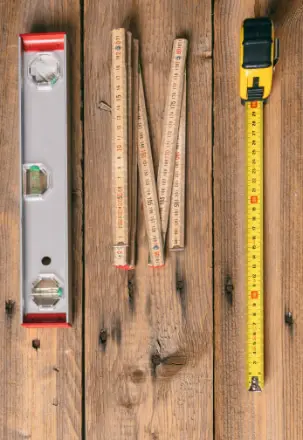
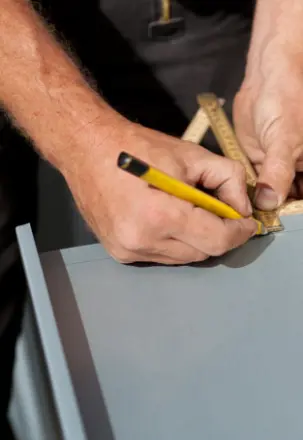
- Mark the Spot:
- Use a pencil or marker to mark the exact location where you want to place the screw.
- Ensure the mark is level and aligned with any other necessary measurements.
- Drill a Pilot Hole:
- Select a drill bit that matches the diameter of the anchor.
- For masonry walls (brick, concrete), use a masonry bit.
- Drill a hole to the depth specified for the anchor. For some anchors, this might be slightly deeper than the anchor length.
- Clean the Hole:
- Remove any dust or debris from the hole using a vacuum or a small brush.
- Insert the Anchor:
- Place the anchor into the hole. If it’s difficult to insert, gently tap it with a hammer until it sits flush with the wall.
- For toggle bolts, thread the bolt through the object, fold the wings, and push through the hole.
- Insert and Tighten the Screw:
- Begin threading the screw into the anchor. Use a screwdriver or screw gun to tighten.
- As you tighten, the anchor will expand and grip the surrounding wall material.
- Avoid over-tightening, which can strip the anchor or damage the wall.
Special Considerations
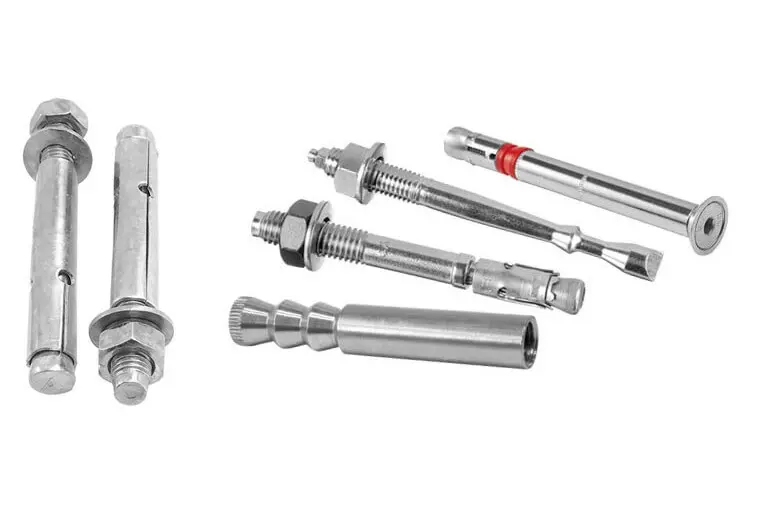
- Weight Limits: Always check the manufacturer’s weight limits for the anchors. Exceeding these limits can lead to failure and damage.
- Wall Type: Different walls (drywall, plaster, brick, concrete) require different types of anchors. Ensure you’re using the right type for your wall.
- Spacing: For heavy objects, use multiple anchors to distribute the weight evenly.
Common Applications

- Hanging Shelves: Use metal expansion anchors or toggle bolts for secure attachment.
- Mounting TVs: Toggle bolts are preferred for heavy wall-mounted TVs, especially in drywall.
- Securing Cabinets: Use metal expansion anchors in masonry walls or toggle bolts in drywall.
- Installing Light Fixtures: Plastic or metal anchors can be used depending on the fixture weight and wall type.
By following these detailed steps and choosing the right type of expansion anchor, you can ensure a secure and stable installation for a variety of applications.
How Expansion Screws Work
Expansion screws create a strong mechanical connection between the fastener and the base material. When the screw is tightened, the anchor expands outward and presses firmly against the surrounding wall, concrete, or masonry material.
This expansion force increases friction and holding power, allowing the anchor to support significant loads without pulling out.
The working principle makes expansion screws ideal for:
- Concrete walls
- Brick walls
- Stone surfaces
- Drywall installations
- Ceiling mounting systems
- Heavy equipment fixation
For construction professionals, selecting the correct expansion anchor type is critical for ensuring long-term structural stability.
Choosing Expansion Screws for Different Countries and Markets
Different regions often have varying construction standards and wall materials, which influence anchor selection.
North America
In the United States and Canada, expansion anchors are commonly used for:
- TV mounting
- Garage shelving
- Commercial signage
- Steel structure installation
Toggle bolts and heavy-duty metal anchors are particularly popular because drywall construction is widely used.
Europe
European projects frequently require:
- Concrete wall fastening
- Facade installations
- Mechanical equipment fixing
Metal expansion anchors with CE-compliant specifications are often preferred.
Middle East
The Middle East construction sector commonly uses expansion bolts for:
- Curtain wall systems
- HVAC installations
- Steel frame buildings
- Large commercial projects
Corrosion-resistant galvanized and stainless steel expansion bolts are highly demanded due to extreme weather conditions.
Southeast Asia
In Southeast Asian markets, expansion anchors are widely applied in:
- Residential renovations
- Commercial fit-outs
- Industrial warehouses
Cost-effective zinc-plated expansion bolts remain popular among contractors and distributors.
Common Mistakes When Installing Expansion Screws
Even experienced installers can reduce anchor performance if installation is not performed correctly.
Common mistakes include:
Using the Wrong Drill Size
A hole that is too large prevents the anchor from expanding properly.
Insufficient Hole Depth
If the hole is shallower than required, the anchor may not fully expand.
Failure to Remove Dust
Dust left inside drilled holes reduces friction and holding strength.
Over-Tightening
Excessive torque may damage the anchor or crack the surrounding material.
Selecting an Undersized Anchor
Using an anchor with insufficient load capacity creates safety risks.
Professional installers should always follow manufacturer specifications.
Expansion Screw Load Capacity Guide
Load capacity varies depending on:
- Anchor diameter
- Anchor length
- Material quality
- Base material strength
- Installation quality
Typical examples:
| Anchor Size | Typical Application |
|---|---|
| M6 | Light fixtures, brackets |
| M8 | Shelves, handrails |
| M10 | Heavy equipment |
| M12 | Structural applications |
| M16+ | Industrial machinery |
Always verify load ratings before installation.
Why Contractors Source Expansion Bolts from China
China has become one of the world’s leading manufacturing centers for expansion bolts and construction fasteners.
Advantages include:
Competitive Pricing
Large-scale production significantly reduces procurement costs.
Stable Supply Capacity
Chinese factories can support both small and bulk orders.
Product Customization
Manufacturers can provide:
- Customized sizes
- Surface treatments
- Packaging solutions
- OEM branding
Global Export Experience
Many Chinese suppliers comply with international standards and export regularly to North America, Europe, the Middle East, and Southeast Asia.
Why Choose Roofglory Expansion Bolts
As a professional Chinese construction fastener manufacturer, Roofglory supplies high-quality expansion bolts for distributors, wholesalers, contractors, and engineering projects worldwide.
Roofglory advantages include:
✓ High-strength carbon steel materials
✓ Precision manufacturing technology
✓ Zinc-plated and stainless steel options
✓ OEM & ODM services
✓ Strict quality control system
✓ Competitive factory-direct pricing
✓ Reliable global shipping support
Whether you need expansion bolts for residential projects, commercial buildings, or industrial applications, Roofglory can provide customized fastening solutions that meet international market requirements.
Frequently Asked Questions About Expansion Screws
Can expansion screws be reused?
Most expansion anchors are designed for one-time installation. Reusing them may reduce holding strength and safety.
Are expansion screws suitable for concrete?
Yes. Expansion bolts are widely used in concrete applications and provide excellent load-bearing performance.
What is the strongest type of wall anchor?
Toggle bolts and heavy-duty metal expansion anchors generally provide the highest holding capacity.
How deep should I drill for an expansion anchor?
The hole should typically be slightly deeper than the anchor length to allow proper expansion.
Can expansion screws be used outdoors?
Yes. Stainless steel or hot-dip galvanized expansion bolts are recommended for outdoor environments to prevent corrosion.