Quick Answer: What Is the Main Difference Between Tacks and Nails?
The main difference between tacks and nails is their holding strength and intended application.
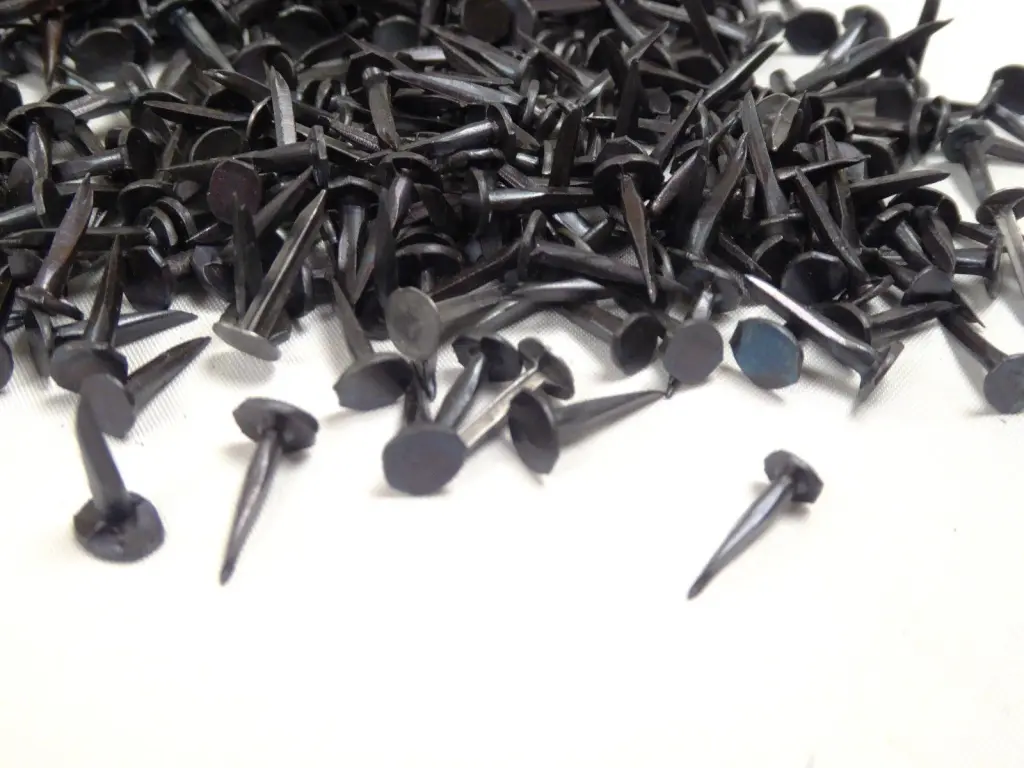
Tacks are short fasteners with wider heads that are commonly used for upholstery, carpets, crafts, and temporary fastening applications. They are easy to install and remove but provide relatively limited holding power.
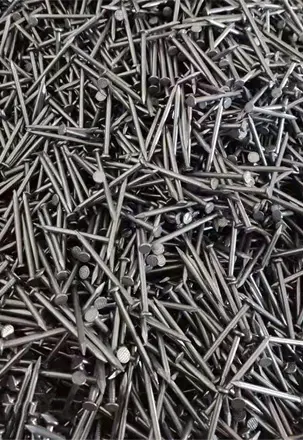
Nails are stronger structural fasteners designed for woodworking, construction, roofing, framing, and heavy-duty assembly. Their longer shanks penetrate deeper into materials, creating a more secure and permanent connection.
In general:
- Choose tacks for decorative, fabric, carpet, or temporary applications.
- Choose nails for structural, load-bearing, or long-term fastening projects.
Understanding these differences helps builders, contractors, furniture manufacturers, and DIY users select the most suitable fastener for each application.
Tacks and nails are both types of fasteners used in construction, woodworking, and various DIY projects, but they differ in several key aspects:
Materials and Coatings
- Tacks: Often made from softer metals like brass, copper, or steel, and sometimes coated or painted to provide a decorative finish. Upholstery tacks, for instance, might have a decorative head.
- Nails: Typically made from harder metals such as steel, stainless steel, or aluminum. They may be coated or galvanized to prevent rust and increase durability. Some nails have specialized coatings to increase holding power (e.g., vinyl-coated or cement-coated).
Specific Types and Uses
NAILS & SCREW
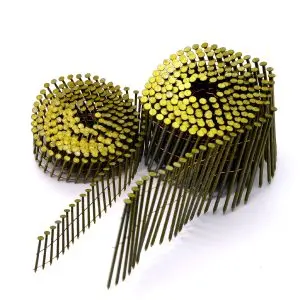
Elevate Your Projects with the Right Fasteners. Discover our extensive range of screws, anchors, and nails, perfect for everything from hanging pictures to building decks.View More
Tacks
- Upholstery Tacks: Used in furniture making to attach fabric to wooden frames. They often have decorative heads and come in various styles and finishes.
- Thumb Tacks: Small tacks with a broad, flat head, used for temporary fastening of papers or notes to a bulletin board. They are easily pushed in and pulled out by hand.
- Carpet Tacks: Used to secure carpets to floors or tack strips. They are small but have a strong grip to hold the carpet in place.
- Drawing Tacks: Similar to thumb tacks but usually have a shorter shank and a larger, flatter head for ease of removal.
Nails
- Common Nails: Have a thick shank and flat head, used for rough construction work like framing and joining heavy timber.
- Box Nails: Thinner than common nails, used in lighter construction and box-making where splitting the wood is a concern.
- Finishing Nails: Have small heads that can be countersunk below the wood panel and then filled, used in finish carpentry where a smooth, clean appearance is desired.
- Brad Nails: Very thin and small nails used for fine woodworking and trim work. They provide a strong hold without splitting delicate materials.
- Roofing Nails: Have a large, flat head and a short shank, used for attaching roofing materials such as shingles. The large head prevents tearing through the material.
- Masonry Nails: Made from hardened steel, these are used for nailing into concrete or brick.
Holding Power and Application Methods
- Tacks: Designed for easy application and removal. Due to their shorter length and wider head, they do not penetrate deeply, making them less suited for high-stress applications. The wide head also helps distribute pressure over a larger area, reducing the likelihood of material damage.
- Nails: Require more force to drive in, either with a hammer or nail gun. They penetrate deeply into the material, providing a stronger, more permanent hold. The variety in size and type allows nails to be used in many applications, from delicate trim work to heavy-duty framing.
Head and Shank Variations
- Tacks: Generally have a simple, wide head for easy installation. The shank is often smooth but can be textured or barbed to increase holding power.
- Nails: Come with a variety of head and shank designs to suit different tasks:
- Smooth Shank: Easier to drive in, used for most general purposes.
- Ring Shank: Rings along the shank provide extra holding power, used in construction and decking.
- Screw Shank: Twisted like a screw, providing maximum holding power and resistance to withdrawal.
- Flat Head: Common for most nails, offering a large striking surface.
- Brad Head: Small and unobtrusive, used where the nail head should not be visible.
Historical and Modern Use
- Tacks: Have been used for centuries in traditional craftsmanship and upholstery. Modern tacks are still used in these areas, as well as in arts and crafts.
- Nails: Have evolved significantly with industrial advancements. Modern nails are manufactured with precision and are essential in construction, carpentry, and manufacturing industries.
GET FREE SAMPLES
Removal
- Tacks: Easily removed using simple tools like tack pullers, pliers, or even by hand. The wide head allows for easy gripping.
- Nails: Typically removed with claw hammers, pry bars, or specialized nail pullers. The process can be more challenging, especially if the nail is deeply embedded or has a small head.
Tacks vs Nails Comparison Table
| Feature | Tacks | Nails |
|---|---|---|
| Primary Use | Upholstery, carpets, crafts | Construction, woodworking, roofing |
| Holding Power | Moderate | High |
| Length | Usually short | Available in many lengths |
| Installation | Easy hand installation | Hammer or nail gun required |
| Removal | Easy | More difficult |
| Load Bearing | Low | High |
| Decorative Options | Yes | Limited |
| Cost | Generally lower | Depends on type and coating |
| Best For | Temporary or decorative fastening | Permanent structural fastening |
How to Choose Between Tacks and Nails
When selecting a fastening solution, consider the following factors:
Material Type
Soft materials such as fabric, carpet, leather, and decorative panels are typically secured with tacks. Wood, plywood, timber, and structural materials generally require nails.
Required Holding Strength
For lightweight applications, tacks usually provide sufficient retention. For projects exposed to vibration, wind loads, movement, or weight-bearing stress, nails offer superior performance.
Appearance Requirements
Decorative furniture and upholstery often use brass or ornamental tacks to enhance aesthetics. Construction projects typically prioritize strength and durability, making nails the preferred choice.
Environmental Conditions
Outdoor applications may require galvanized nails, stainless steel nails, or corrosion-resistant coatings. For indoor decorative work, standard tacks are often sufficient.
Installation Efficiency
Large-scale construction projects frequently use pneumatic nail guns to improve productivity. Tacks remain popular for detailed manual work and furniture manufacturing.
Understanding these differences can help in selecting the right fastener for your specific project, ensuring both effectiveness and durability.
For more information about nails, please contact us https://www.sinogrp.com/contact-us/
FAQ: Frequently Asked Questions About Tacks and Nails
Can tacks replace nails?
No. Tacks are designed for light-duty applications and cannot provide the same structural strength as nails.
Are tacks stronger than nails?
No. Nails generally provide significantly greater holding power due to their longer shanks and deeper penetration.
What type of nail is best for outdoor projects?
Galvanized nails and stainless steel nails are commonly recommended because they resist corrosion and rust.
Can upholstery tacks be used on wood?
Yes, but they are primarily intended for decorative and fabric fastening rather than structural wood connections.
Which fastener is easier to remove?
Tacks are generally easier to remove because of their wider exposed heads and shorter penetration depth.
Article Summary
Tacks and nails serve different fastening purposes. Tacks are best suited for upholstery, carpets, crafts, and decorative applications, while nails provide stronger and more permanent fastening for construction and woodworking projects. Factors such as holding strength, appearance, material type, installation method, and environmental exposure should all be considered when choosing between the two fasteners.