Quick Answer: What Is the Difference Between PPGI and PPGL?
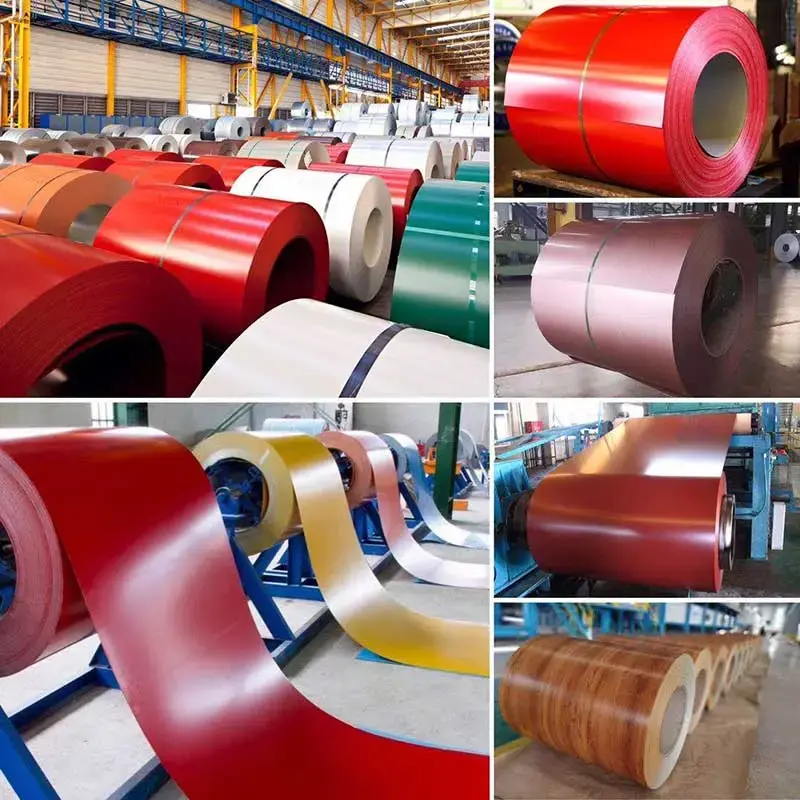
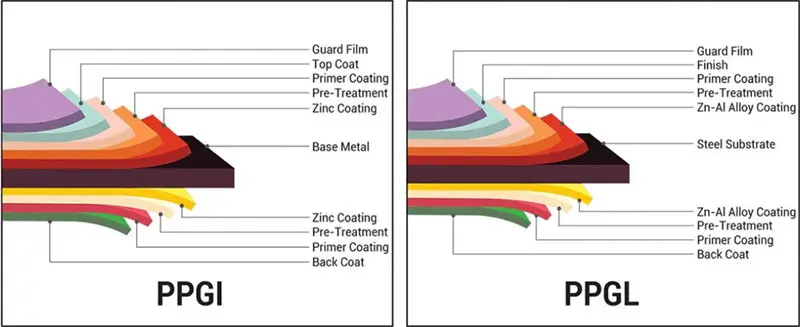
The main difference between PPGI and PPGL is the metallic coating used to protect the steel substrate. PPGI uses a galvanized steel base with a zinc coating, while PPGL uses a galvalume steel base coated with a zinc-aluminum alloy. In general, PPGL offers stronger long-term corrosion resistance, especially in humid or coastal environments, while PPGI is widely used for roofing, wall cladding, appliances, and other applications requiring good corrosion resistance and a wide range of color options.
PPGI and PPGL are both types of steel sheets that are commonly used in various industries, including construction, automotive, and appliances. The main difference between PPGI (Pre-Painted Galvanized Iron) and PPGL (Pre-Painted Galvalume) sheets lies in the coating material and its composition. Here’s a breakdown of the key distinctions:
PPGI vs PPGL: Quick Comparison Table
| Feature | PPGI | PPGL |
|---|---|---|
| Full Name | Pre-Painted Galvanized Iron | Pre-Painted Galvalume Steel |
| Base Coating | Zinc | Zinc-Aluminum Alloy |
| Corrosion Resistance | Good | Generally higher |
| Suitable Environment | Normal indoor and outdoor environments | Humid, coastal and demanding outdoor environments |
| Appearance | Wide range of colors and glossy finishes | Various colors with a different metallic surface effect |
| Common Applications | Roofing, wall cladding, garage doors, appliances | Roofing, wall panels, industrial buildings and outdoor structures |
| Cost Consideration | Often more economical | May have a higher initial material cost |
1.Coating Material:
- PPGI: PPGI sheets are coated with zinc on the outer surface, which provides excellent corrosion resistance. The zinc coating helps protect the underlying steel from rust and corrosion.
- PPGL: PPGL sheets, on the other hand, are coated with a combination of zinc and aluminum (zinc-aluminum alloy), commonly referred to as Galvalume. This coating offers enhanced corrosion resistance compared to PPGI.
2.Composition:
- PPGI: PPGI sheets consist of a base metal, usually cold-rolled steel or galvanized steel, with a zinc coating applied on top. This zinc layer acts as a sacrificial barrier, protecting the underlying steel from corroding.
- PPGL: PPGL sheets are typically made of cold-rolled steel or galvalume steel, which is a combination of steel substrate and a zinc-aluminum alloy coating. The aluminum in the coating provides additional corrosion protection.
3.Appearance:
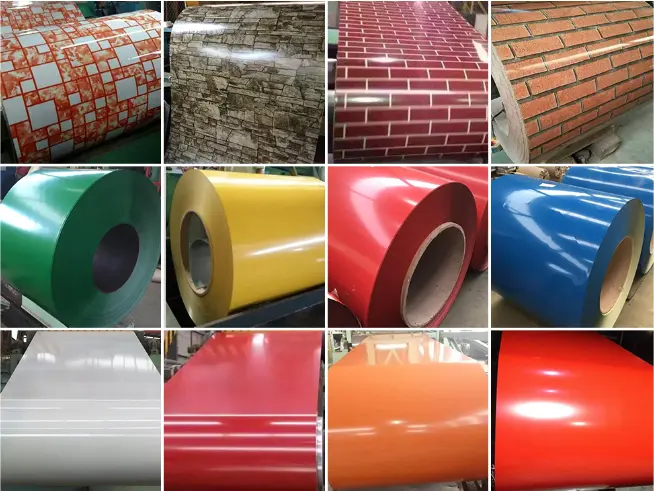
- PPGI: PPGI sheets are available in a wide range of colors and finishes. They are known for their vibrant, glossy appearance, making them suitable for applications where aesthetics are important, such as architectural cladding.
- PPGL: PPGL sheets also come in various colors and finishes, but they tend to have a slightly different appearance compared to PPGI. The presence of aluminum in the coating can give PPGL sheets a different texture and visual effect.
4.Application:
- PPGI: PPGI sheets are commonly used in applications that require good corrosion resistance, such as roofing, wall cladding, garage doors, and appliances.
- PPGL: PPGL sheets are particularly suitable for environments that require higher corrosion resistance, such as coastal areas or places with high humidity. They are commonly used in roofing, walling, and other outdoor applications.
How to Choose Between PPGI and PPGL?
The choice between PPGI and PPGL should be based on the installation environment, project requirements, expected service life, budget, and corrosion resistance requirements.
Choose PPGI when:
- The project is located in a normal climate environment.
- Cost control is an important consideration.
- A wide range of colors and surface finishes is required.
- The material will be used for general roofing, wall cladding, doors, or appliances.
Choose PPGL when:
- The project is located in a humid or coastal environment.
- Higher corrosion resistance is required.
- The roofing or wall system will be exposed to demanding outdoor conditions.
- Long-term durability is a priority.
For importers, distributors, contractors, and project buyers, it is important to compare not only the product price but also the coating type, steel thickness, paint system, coating weight, and expected application environment.
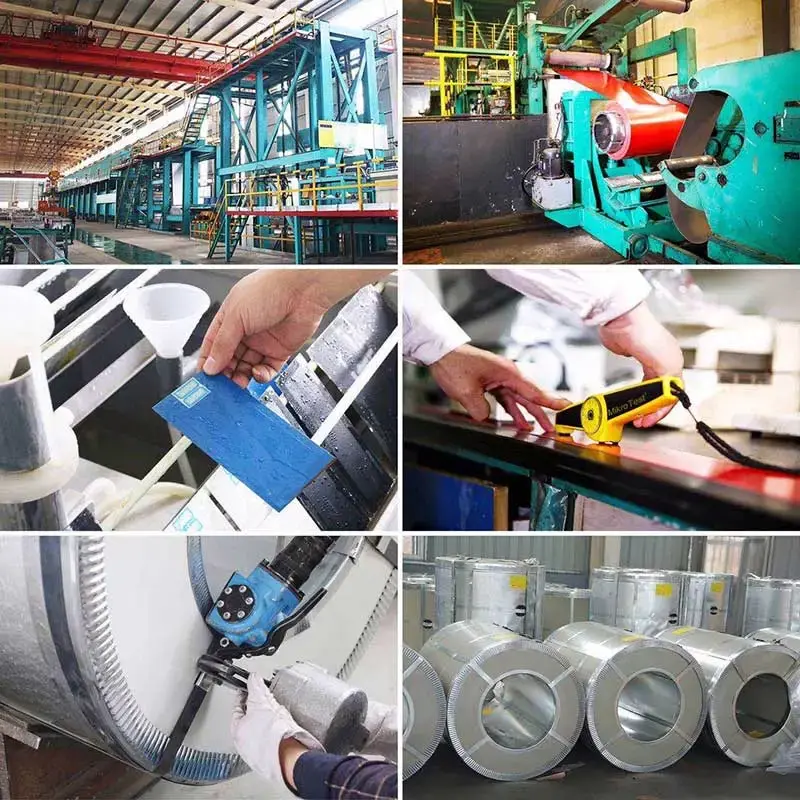
It’s worth noting that while PPGI and PPGL have different coating materials, their underlying steel substrates can be similar. The choice between PPGI and PPGL depends on the specific requirements of the application, including the level of corrosion resistance needed and the desired appearance.
What Specifications Should Buyers Compare When Buying PPGI or PPGL?
When sourcing PPGI or PPGL from a manufacturer or supplier, buyers should compare more than just the material type. Important specifications include:
- Steel thickness
- Steel grade
- Zinc or zinc-aluminum coating
- Paint type
- Paint thickness
- Color and surface finish
- Coil width
- Coil weight
- Application requirements
- Export packaging requirements
For large construction projects or wholesale purchasing, buyers should also confirm whether the supplier can provide customized thickness, width, color, coating options, and packaging according to the destination market.
Frequently Asked Questions About PPGI and PPGL
Is PPGL better than PPGI?
PPGL is generally preferred when higher corrosion resistance is required, particularly in humid or coastal environments. However, PPGI may be a more suitable choice for projects where standard corrosion resistance, appearance, and cost efficiency are the main priorities.
Which is better for roofing, PPGI or PPGL?
Both PPGI and PPGL can be used for roofing. PPGL is often selected for environments with higher humidity or stronger corrosion risks, while PPGI is widely used for general roofing applications.
What is the main difference between galvanized steel and galvalume steel?
Galvanized steel is primarily protected by a zinc coating. Galvalume steel uses a zinc-aluminum alloy coating, which combines the protective characteristics of both metals.
Is PPGL suitable for coastal areas?
PPGL is commonly considered suitable for applications requiring higher corrosion resistance, including humid and coastal environments. However, the final material specification should still be selected according to the actual environmental conditions and project requirements.
Can PPGI and PPGL be customized?
Depending on the manufacturer, PPGI and PPGL can typically be supplied in different thicknesses, widths, colors, coating options, and coil weights to meet different construction and industrial requirements.
Conclusion
PPGI and PPGL are both widely used pre-painted steel products, but they are designed for different performance requirements. The main difference lies in their metallic coating systems: PPGI uses a zinc-based galvanized coating, while PPGL uses a zinc-aluminum alloy coating.
For general construction, roofing, wall cladding, and appliance applications, PPGI can provide a practical balance between corrosion resistance, appearance, and cost. For projects located in humid, coastal, or more demanding outdoor environments, PPGL may offer better long-term corrosion resistance.
Before purchasing, buyers should evaluate the complete product specification rather than choosing based only on price. Factors such as steel thickness, coating type, paint system, application environment, and supplier manufacturing capability can all affect the final performance of the product.
For importers, wholesalers, contractors, and project buyers, working with an experienced PPGI and PPGL supplier can also help ensure that the material specifications are matched to the actual application requirements.